


For over a decade, cloud-based workflow platforms like Zapier and Make.com dominated the automation landscape. But as every modern professional knows, traditional API webhooks have a critical blind spot: they cannot interact with what is actively rendering inside your open browser tabs, they break when APIs lack specific endpoints, and they require tedious configuration for simple, repetitive web tasks.
In 2026, the battle for personal and team productivity has shifted directly into the web browser. AI browser automation tools operate right where knowledge workers spend 90% of their day—scraping messy web pages into structured databases, autofilling CRM leads across active browser windows, and injecting human oversight into multi-step pipelines. Three standout platforms lead this browser-first automation wave:
- Bardeen AI: The undisputed heavyweight for client-side DOM web scraping, automated list building, lead enrichment, and autonomous background web agents.
- Magical AI: The zero-setup speed demon for cross-tab data transfer, dynamic text expansion, and 1-click form autofill across web apps.
- Relay.app: The next-generation workflow orchestrator that combines multi-app integration with native Human-in-the-Loop (HITL) approval gates and in-line AI transformations.
We spent five weeks stress-testing all three platforms across 150+ real-world workflows—scraping live B2B directories, autofilling hundreds of candidate records in Greenhouse, routing client proposals through Slack approval gates, and syncing HubSpot contacts. Here is our unvarnished, hands-on comparison of Bardeen vs Magical vs Relay.app for 2026.
⚡ The 30-Second Executive Verdict
Choose Bardeen AI if your primary objective is deep web data extraction and lead generation. Bardeen can scrape dynamic JavaScript web pages, paginated directories, LinkedIn profiles, and Google Maps listings directly into Google Sheets, Notion, or Airtable with one click—all without writing a single line of Python or CSS selectors.
Choose Magical AI if your day revolves around repetitive data entry, message drafting, and cross-tab copy-pasting. Magical requires zero workflow building—it instantly detects form fields across your open tabs and populates customer databases, Zendesk tickets, or outreach emails via simple keyboard shortcuts (//).
Choose Relay.app if you need collaborative, multi-app team automations that require human judgment. While Zapier either executes blindly or fails on exceptions, Relay pauses executions to allow human team members to review AI-generated drafts, approve budget thresholds, or assign tasks in Slack before proceeding.
1. Architectural Comparison: Extension vs. Browser Sync vs. Cloud Graph
Before examining individual features, it is vital to understand how these three tools interact with your workstation and data. Their execution layer dictates their speed, security, and integration boundaries.
| Architectural Metric | Bardeen AI | Magical AI | Relay.app |
|---|---|---|---|
| Core Execution Layer | Chrome Extension (Local DOM) + Cloud Agents | Chrome Extension (Tab Session Memory) | Cloud Orchestrator + Webhook Integration Engine |
| Setup Time & Complexity | Low–Medium (Visual playbook builder) | Zero (Works instantly upon install) | Medium (Linear workflow builder) |
| Web Scraping Capabilities | Native Full DOM (Pagination, Click, Table) | Single-page metadata extraction | Webhooks / API payload parsing |
| Human-in-the-Loop Gates | Prompt inputs during playbook run | User confirms autofill inline | Dedicated 1-click Approval Steps (Slack/Web) |
| Data Privacy & Storage | Local browser execution (Zero server scraping data) | Encrypted user shortcuts & variable tokens | SOC2 Type II compliant cloud infrastructure |
2. Bardeen AI: The Powerhouse for Web Scraping & Autonomous Prospecting
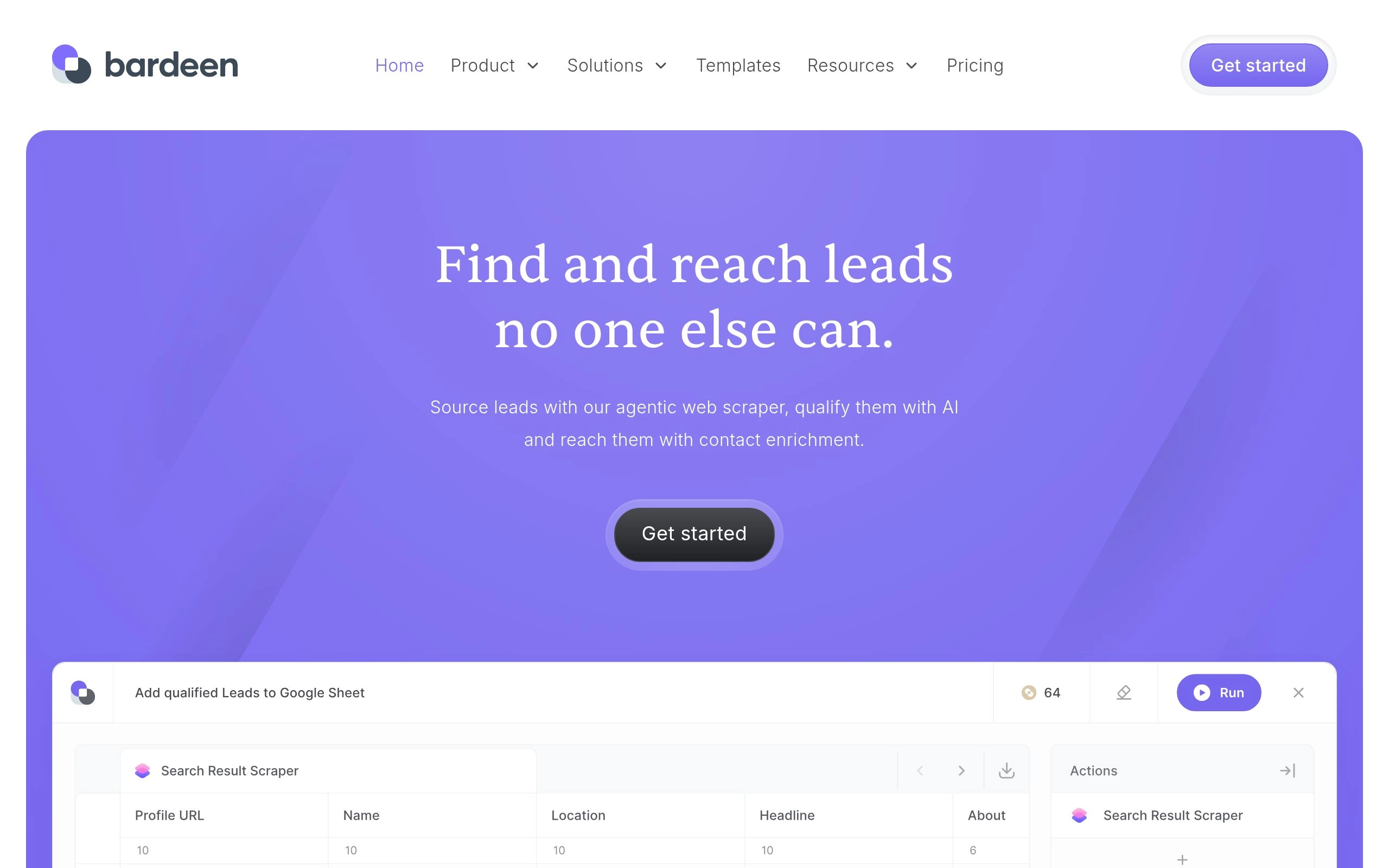
Bardeen AI was built to solve a specific, painful problem: collecting data from websites that do not offer public APIs or whose APIs are locked behind $10,000/year enterprise firewalls. By running directly inside your Google Chrome or Brave browser, Bardeen reads the rendered Document Object Model (DOM) exactly as your eyes see it.
Key Strengths of Bardeen AI
- Visual Point-and-Click Scraper: You can click on any title, price, image, or email address on a web page, and Bardeen's machine learning algorithm automatically detects the repeating list pattern across the entire page and future paginated pages.
- Magic Box Natural Language Builder: Instead of manually stitching nodes together, you can type: “Scrape the top 50 companies from this Y Combinator directory, enrich their founder emails with Clearbit, and save them to my Notion Leads database,” and Bardeen builds the entire executable workflow in seconds.
- Cloud Playbooks & Autonomous Web Agents: While basic scraping runs locally in your browser, Bardeen's Pro tier allows scheduled cloud automations that run 24/7 on remote serverless browsers without keeping your laptop open.
- Deep Native Integration Ecosystem: Bardeen connects natively with Notion, Airtable, Google Sheets, HubSpot, Salesforce, Slack, ClickUp, and Coda.
Bardeen Pricing & Credit Model
- Free Plan: Unlimited local browser playbooks with basic integrations. Perfect for individual operators who run manual scrapes.
- Professional Plan ($15/mo billed annually): 500 automation credits per month, cloud execution, premium scraper features, and AI agent actions.
- Business Plan ($39/mo per user): 1,500 credits per month, team playbook sharing, centralized billing, and priority support.
- Watch Out For: Heavy automated data enrichment (e.g., searching for verified business emails) consumes multiple credits per row. High-volume scrapers will need to budget for credit add-on packs.
3. Magical AI: The Zero-Setup Speed Champion for Autofill & Data Entry
While Bardeen is a full automation development suite, Magical AI takes the opposite approach: eliminate setup friction entirely. Magical is engineered for professionals whose jobs involve endless repetitive typing, copying information from LinkedIn or email into CRMs, and responding to common client inquiries.

Key Strengths of Magical AI
- Universal Cross-Tab Data Transfer: Open a candidate's profile on LinkedIn in Tab 1, and your ATS (Greenhouse, Lever, or Workday) in Tab 2. Click Magical's “Transfer” button, and it automatically maps name, current title, company, and location directly into the input fields without a single copy-paste shortcut.
- Contextual AI Text Expansion (
//): Type//introinto Gmail, LinkedIn InMail, or Zendesk, and Magical expands your template while dynamically pulling the recipient's first name, company, and specific pain points from your open browser session. - Sheet Autofill in Seconds: You can open 10 tabs of potential vendors, click “Add to Sheet,” and Magical compiles every open tab into clean, structured columns in Google Sheets simultaneously.
- Zero Learning Curve: Unlike visual node builders that require debugging logic, any non-technical employee can install Magical and save 1–2 hours on their very first day.
Magical Pricing & Limits
- Free Plan: Up to 600 text expansions and basic data transfers per month.
- Core Plan ($6.50/mo billed annually): Unlimited text expansion, shared team shortcuts, and unlimited tab transfers.
- Advanced Plan ($12/mo billed annually): Full AI message generation, automated web form autofill, and team analytics dashboards.
- Limitation: Magical cannot run complex conditional logic or schedule autonomous background jobs without a human actively navigating in the browser.
4. Relay.app: The Modern Zapier + AI Alternative with Human-in-the-Loop
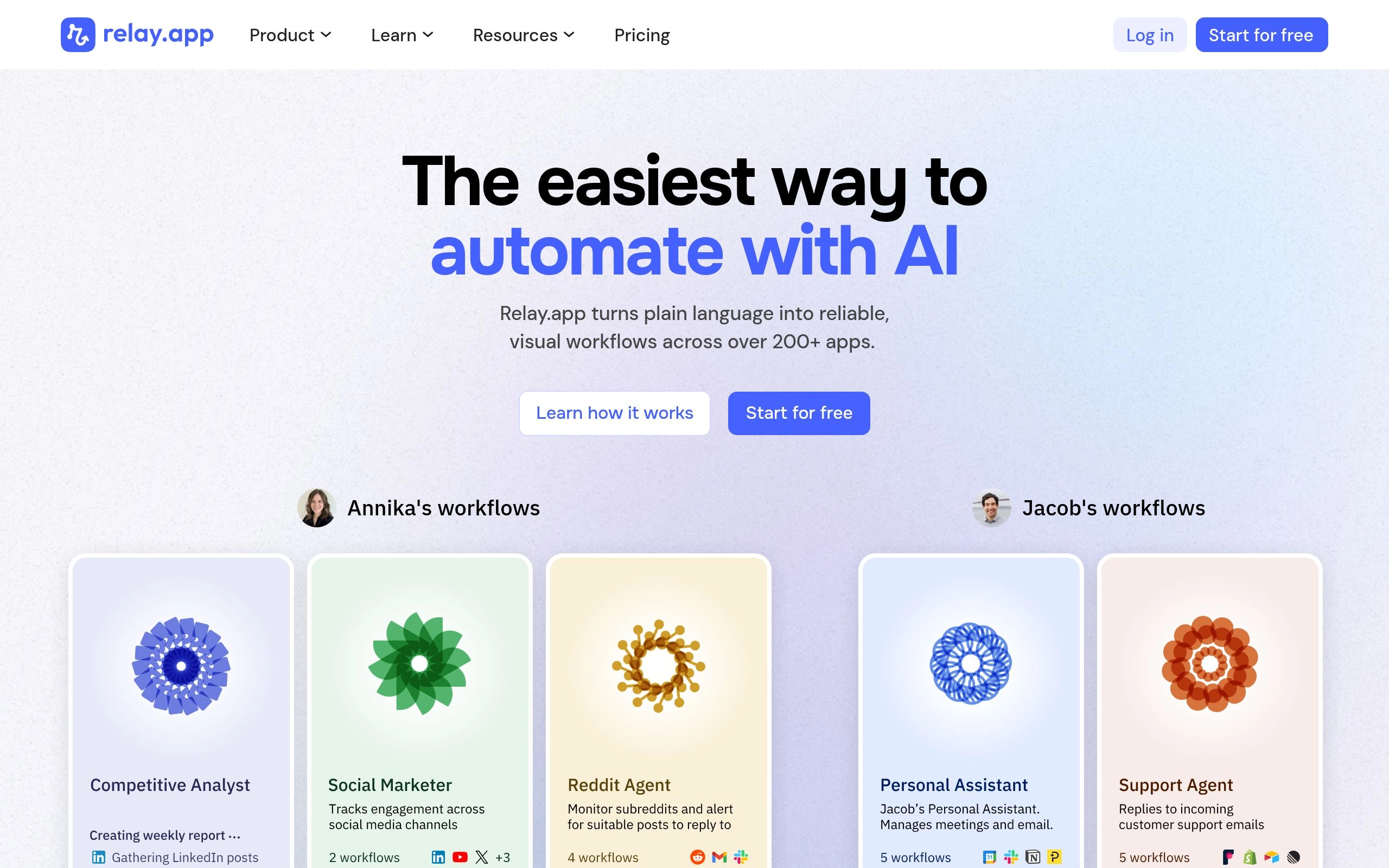
For years, automation engineers faced a brutal dilemma: you either automated 100% of a workflow with Zapier (risking hallucinated AI outputs sent directly to clients) or left the entire process manual. Relay.app was built to fix this binary flaw by introducing Human-in-the-Loop (HITL) orchestration.
Key Strengths of Relay.app
- Native Human-in-the-Loop Approval Steps: When a new high-value lead submits a form, Relay's AI can research the prospect, draft a custom proposal in Google Docs, and send an interactive notification to Slack: “Review draft proposal for Acme Corp [Approve / Edit / Reject].” The email is only dispatched once an account executive clicks “Approve.”
- Multiplayer Team Playbooks: Different steps in a single automated playbook can be assigned to different team members. A sales engineer handles the technical verification step, while an operations lead signs off on discount pricing.
- In-Line AI Transformation Nodes: Relay includes native GPT-4o and Claude 3.5 Sonnet processing directly inside workflow steps. You can summarize meeting transcripts, categorize customer support tickets, or extract JSON payloads without writing Python scripts or paying for separate OpenAI API keys.
- Modern, Beautiful Canvas: Relay's interface is significantly faster, cleaner, and more intuitive than legacy platforms like Zapier, making complex branching logic effortless to maintain.
Relay.app Pricing
- Free Plan: Up to 200 automation runs per month, unlimited playbooks, and full Human-in-the-Loop approval steps.
- Starter Plan ($19/mo billed annually): 1,500 automation runs per month, 15-minute polling intervals, and advanced AI steps.
- Team Plan ($49/mo for 3 users): 5,000 runs per month, real-time webhook triggers, and shared workspace permissions.
- Limitation: Relay does not perform client-side DOM scraping like Bardeen. It relies on webhooks, app triggers, and structured APIs.
5. Head-to-Head Feature & Benchmark Matrix (2026)
To help you select the exact right tool for your operational bottlenecks, here is our side-by-side benchmark comparison:
| Feature / Capability | Bardeen AI | Magical AI | Relay.app |
|---|---|---|---|
| Primary Superpower | Web Scraping & List Building | Instant Tab Data Entry & Autofill | Human-in-the-Loop Workflows |
| DOM Element Scraping | Full Table & Pagination Support | Basic metadata extraction | No (Webhook / API only) |
| Text Expansion & Shortcuts | Basic action inputs | Universal Dynamic (//) |
No |
| Human Approval Gates | Manual prompt inputs | User confirms click | Native 1-Click Slack / Web Gates |
| Background Cloud Execution | Yes (Pro / Business tiers) | No (Browser must be active) | Yes (100% Serverless Cloud) |
| Multi-App Integrations | 50+ Popular SaaS apps | Works universally on any web form | 100+ Enterprise & Modern Tools |
| Starting Paid Price | $15/month | $6.50/month | $19/month |
| Free Tier Generosity | Unlimited local runs | 600 expansions/mo | 200 workflow runs/mo |
6. The Buyer's Decision Framework: Which Tool Fits Your Role?
To eliminate decision fatigue, match your specific business role to these three battle-tested scenarios:
1. The B2B Sales Prospector, Growth Marketer, or Real Estate Lead
Your Scenario: You spend hours manually copying names, company sizes, emails, and phone numbers from LinkedIn Sales Navigator, directory lists, and local business maps into spreadsheets.
→ Winner: Bardeen AI for 1-click DOM list extraction, automatic data enrichment, and direct export into Airtable, Notion, and HubSpot.
2. The High-Volume Recruiter, Customer Support Agent, or Account Exec
Your Scenario: You constantly jump between multiple open browser tabs—copying candidate info into your ATS, answering support tickets in Zendesk with standard replies, and personalizing outreach emails.
→ Winner: Magical AI for instant tab-to-tab data mapping and dynamic // smart text expansion.
3. The Operations Lead, Agency Founder, or Distributed Team Lead
Your Scenario: You need reliable automated workflows connecting Slack, Google Docs, CRMs, and email, but you cannot afford AI hallucinations going live without human quality assurance and sign-off.
→ Winner: Relay.app for multiplayer workflows, in-line AI transformations, and native 1-click human approval gates.
7. How to Combine All Three for the Ultimate Browser Productivity Stack
The top-performing growth teams in 2026 do not view these tools as mutual competitors—they chain them together into a frictionless three-stage pipeline:
- Stage 1 (Lead Ingestion with Bardeen): Use Bardeen to scrape 100 targeted decision-makers from a conference attendee directory into a master Google Sheet in under 60 seconds.
- Stage 2 (Enrichment & Approval with Relay.app): Relay.app detects the new sheet rows, triggers an AI step to draft personalized outreach angles, and pings your Slack channel for 1-click AE approval.
- Stage 3 (High-Touch Outreach with Magical): When responding to prospect replies or logging calls in your CRM, use Magical's
//shortcuts and tab-transfer buttons to close the deal in seconds.
8. Frequently Asked Questions (FAQ)
Can Bardeen AI scrape websites that require a user login?
Yes. Because Bardeen operates locally inside your active Chrome browser, it automatically inherits your authenticated session cookies. You can scrape protected portals, internal dashboards, and logged-in platforms like LinkedIn without entering API keys or triggering bot verification challenges.
How does Magical AI transfer data between browser tabs without an API?
Magical uses client-side DOM parsing. When you open multiple tabs, Magical's browser extension reads the structured HTML attributes (such as names, titles, and text input boxes) across your active window session and transfers values directly into target input elements via JavaScript DOM manipulation.
Is Relay.app a direct replacement for Zapier?
Yes, for teams requiring AI steps and human approvals. Relay.app offers direct multi-app triggers and actions like Zapier, but includes native Human-in-the-Loop review gates and built-in LLM processing (GPT-4o, Claude 3.5 Sonnet) without requiring separate OpenAI API keys or complex webhook workarounds.
Does Bardeen AI consume computer CPU and RAM when running scrapes?
Local browser scrapes run on your machine's resources and typically use 150–300 MB of RAM during execution. For large multi-thousand-row scrapes, Bardeen offers Cloud Playbooks on paid tiers that offload the entire execution to remote cloud servers.
Are browser automation extensions secure for sensitive corporate data?
Yes, when using enterprise-vetted tools. Bardeen processes scraping tasks client-side without storing your scraped data on third-party servers. Magical and Relay.app maintain SOC2 Type II compliance and do not use proprietary customer content to train foundational AI models.
Frequently Asked Questions
How does Bardeen compare to Make and Zapier for browser automation?
Bardeen operates directly inside the Chrome browser to scrape web pages and interact with web apps that lack public APIs, whereas Make and Zapier rely on cloud webhooks and REST APIs. Bardeen is ideal for one-click LinkedIn prospecting and data scraping, while Make excels at backend data pipelines.
What makes Relay.app unique among modern workflow automation tools?
Relay.app pioneers Human-in-the-Loop AI automation, seamlessly pausing workflows to request human approval or review before sending critical emails or updating databases. This eliminates hallucinated automated outputs in sensitive sales and customer operations.
How does Magical AI accelerate daily repetitive data entry?
Magical AI uses smart browser variable expansion and instant sheet-to-form auto-fill without complex setup. By simply typing text shortcuts like //, Magical pulls live data from active CRM tabs, LinkedIn profiles, or spreadsheets and populates messages instantly.
Are browser automation extensions safe from account bans on platforms like LinkedIn?
Yes, reputable tools like Bardeen and Magical emulate human browsing behaviors and run locally on your client machine. Unlike aggressive headless scrapers, they operate within standard rate limits and do not trigger anti-bot security systems when used responsibly.

AUTHORED BY
Hamza Khaliq
Student, Author, Learner, Developer and Researcher
Passionate about AI technology and its applications. dedicated to bringing you the latest insights and trends from the world of artificial intelligence.
You might also like
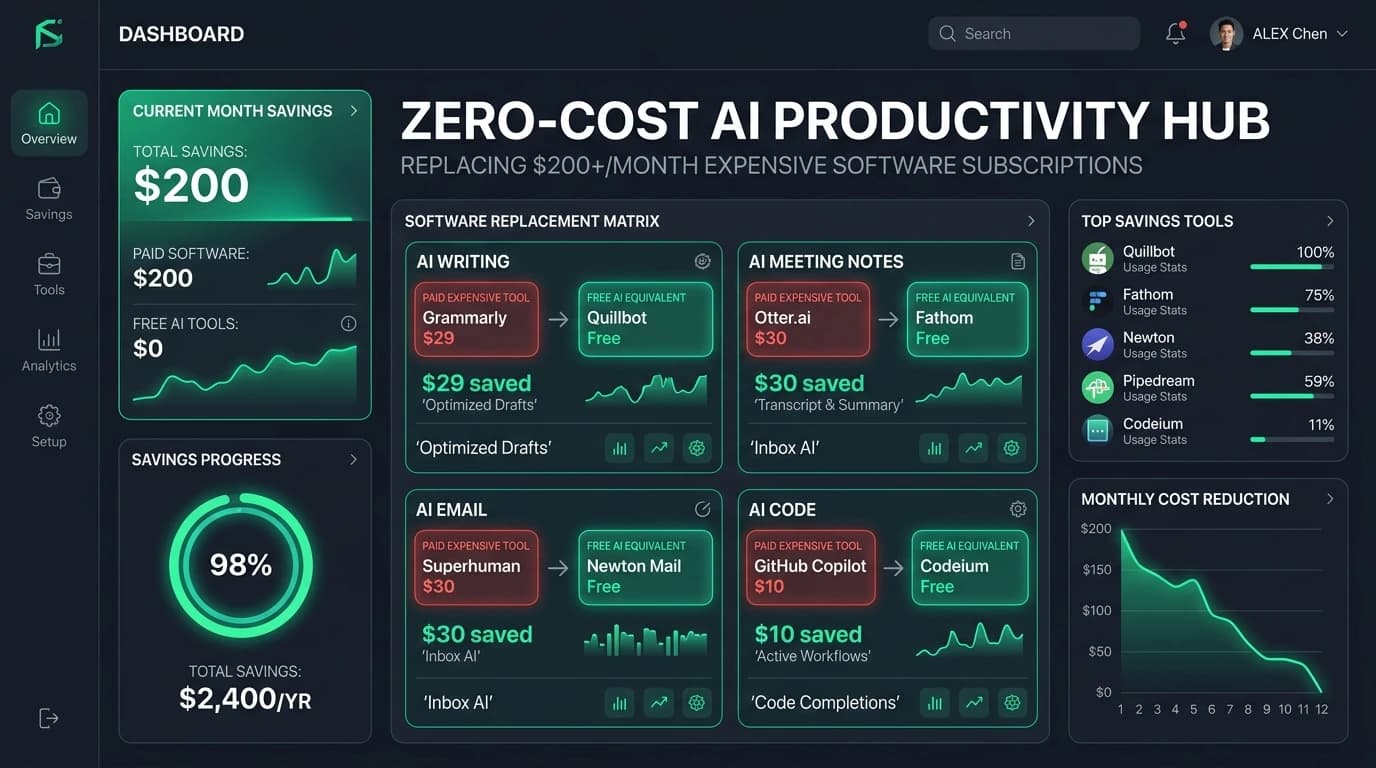
Free AI Productivity Tools That Replace $200+/Month of Software
Stop bleeding cash on SaaS subscriptions. Discover the battle-tested free AI productivity stack in 2026 that replaces $200+/month of paid tools without sacrificing speed or output.

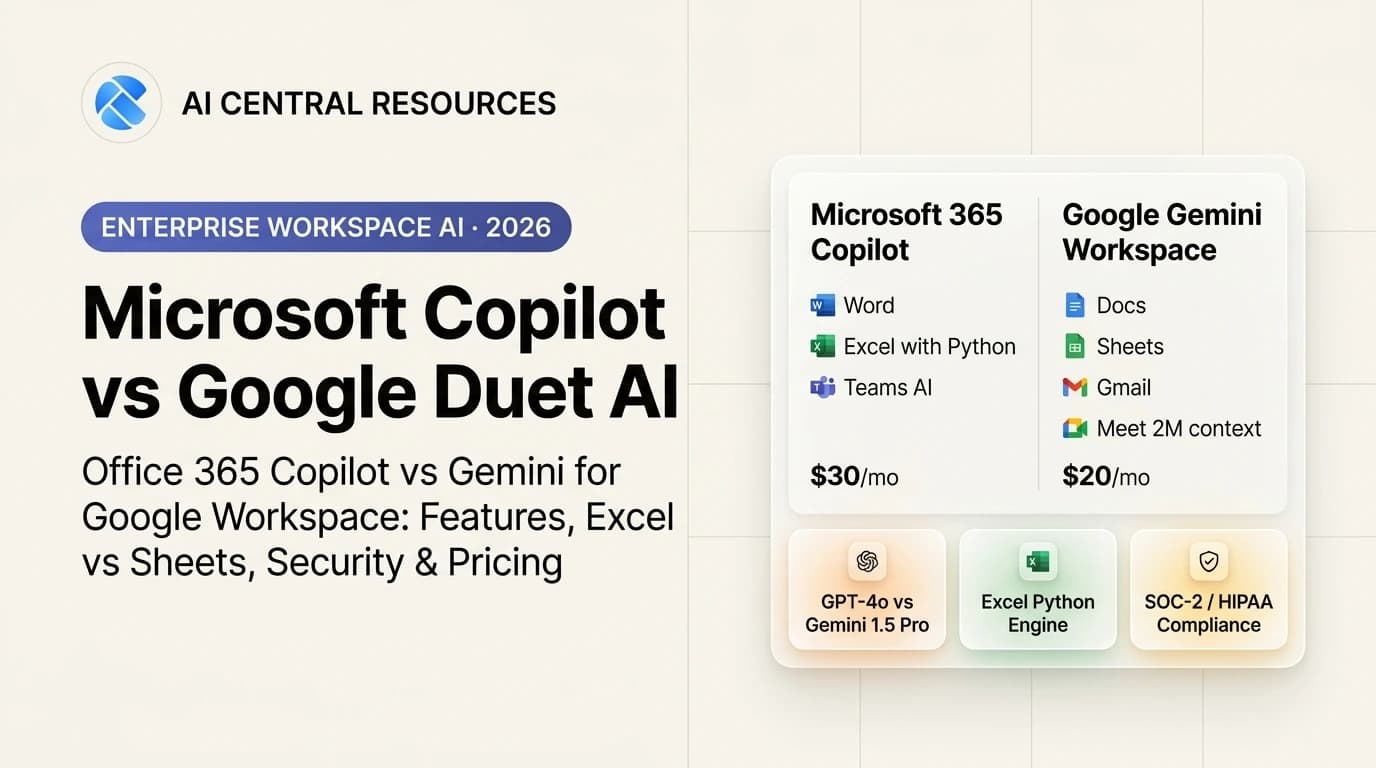
Microsoft Copilot vs Google Duet AI: Which Workspace AI Wins in 2026?
Microsoft 365 Copilot vs Google Duet AI (Gemini Workspace). Discover which enterprise AI suite delivers better document drafting, Excel analytics, and meeting intelligence in 2026.
How to Let AI Plan Your Entire Day (The Ultimate Daily Workflow)
Eliminate planning fatigue. Learn how to let AI auto-schedule your to-do list, defend 3.5+ hours of daily deep work, and adaptively rebalance your calendar.
How to Build a Second Brain with AI Tools in 2026 (Full System)
Build a self-organizing Second Brain in 2026 using AI tools. Learn the CODE 2.0 system combining Readwise, Notion AI, Obsidian, and NotebookLM for effortless recall.