

OpenAI API
Developer platform for GPT models, AI agents, and real-time voice
Gallery
6 items

About OpenAI API
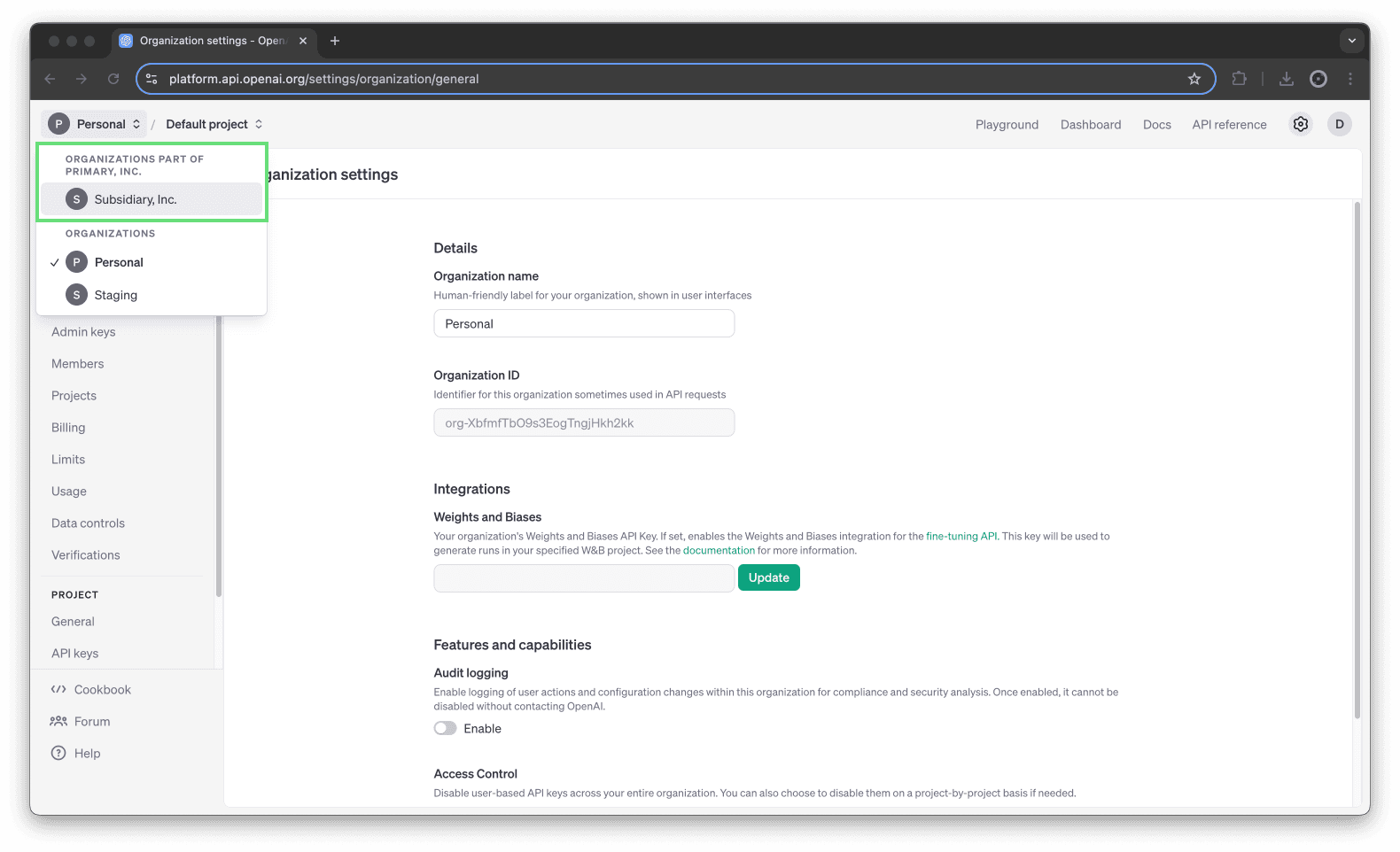
The OpenAI API, accessed through the OpenAI Platform at platform.openai.com, is the developer gateway to OpenAI's frontier AI models, letting businesses and individual developers integrate advanced text, code, image, and audio intelligence directly into their own applications. Rather than a single product, it's a full platform: the Responses API handles direct model requests for text generation, structured output, tool use, and multimodal workflows, while the Agents SDK lets developers build code-first agents that orchestrate tools, hand off tasks, request approvals, and trace execution, and the Realtime API powers low-latency voice and audio experiences over WebRTC, WebSocket, or SIP.
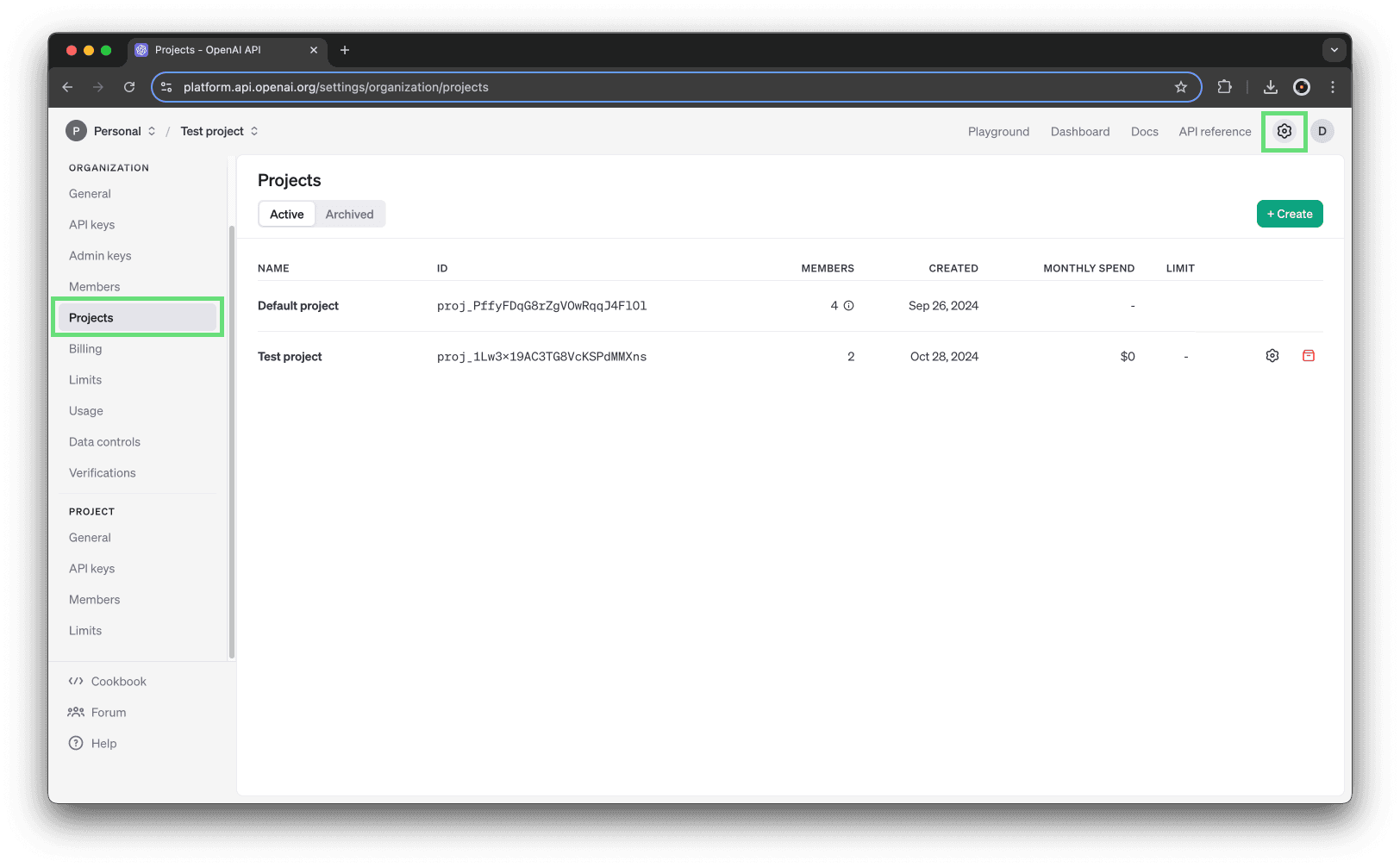
Developers building on the platform choose from a tiered lineup of frontier models, such as GPT-5.6 Sol for complex reasoning and coding, GPT-5.6 Terra for balanced intelligence and cost, and GPT-5.6 Luna for high-volume, cost-sensitive workloads, each priced per million input and output tokens. The platform grounds agents with built-in tools like web search, file search, and remote MCP servers, and connects them to real business systems including Slack, Gmail, Salesforce, and GitHub. Teams can further adapt model behavior through fine-tuning, evals, and distillation, and organize their work into projects with isolated API keys, rate limits, and role-based access controls.
Founded by OpenAI in 2015 and opening its API to developers in 2020, the platform now powers products across coding, customer support, personalized recommendations, research and data analysis, content generation, and education, with companies like Zillow using the Realtime API to power voice-driven home search experiences. For organizations operating at scale, OpenAI offers enterprise-grade security including SOC 2 Type 2 compliance, HIPAA Business Associate Agreements, zero data retention by request, data residency controls, SSO/MFA, and dedicated account teams alongside self-serve, pay-as-you-go access for developers building on their own.
Key Features
- Responses API for direct model requests across text, structured output, tools, and multimodal input
- Agents SDK for building code-first agents with tool orchestration, handoffs, and tracing
- Realtime API for low-latency voice and audio sessions over WebRTC, WebSocket, or SIP
- Built-in tools including web search, file search, and remote MCP server support
- Fine-tuning, evals, and distillation to adapt models for specific use cases
- Tiered frontier model lineup balancing reasoning power, speed, and cost
- Administration API for managing users, invites, projects, API keys, and audit logs
- Project-based organization for isolating API keys, rate limits, and permissions
- Playground for testing prompts and model behavior before shipping
- Enterprise security including SOC 2 Type 2, HIPAA BAAs, and zero data retention by request
Pros
- Access to frontier GPT-5.6 models spanning a full range of intelligence and cost tiers
- Comprehensive platform covering text, agents, voice, and multimodal use cases in one place
- Agents SDK and built-in tools simplify building production-grade autonomous agents
- Strong enterprise security posture, including SOC 2 Type 2 and HIPAA BAAs
- No training on API business data by default, with zero data retention available by request
- Extensive documentation, cookbook examples, and an active developer community
Cons
- Pay-as-you-go token costs can scale quickly for high-volume or long-context applications
- New accounts must add billing details before making API calls, with no ongoing free-tier quota
- Frontier reasoning models like GPT-5.6 Sol carry premium per-token pricing versus smaller models
- Enterprise features like dedicated support and advanced data residency require contacting sales
- Rate limits and model access can vary by usage tier, requiring spend history to unlock higher limits
Pricing
The OpenAI API uses pay-as-you-go, per-token pricing that varies by model. GPT-5.6 Sol, built for complex reasoning and coding, costs $5.00 per 1M input tokens and $30.00 per 1M output tokens with a 1.05M context length. GPT-5.6 Terra, balancing intelligence and cost, costs $2.00 per 1M input tokens and $12.00 per 1M output tokens. GPT-5.6 Luna, designed for cost-sensitive, high-volume workloads, costs $0.20 per 1M input tokens and $1.20 per 1M output tokens. All three share a 1.05M context length and 128K max output tokens. Additional costs apply for fine-tuning, evals, and specialized tools like web search or file search depending on usage. New accounts must add billing details before making live API calls, and there is no free-tier token quota; enterprise organizations can contact sales for custom pricing, dedicated support, and advanced data residency and retention controls.
Claim Verified Creator Badge
Are you the founder of OpenAI API? Display this listing's verified badge on your website to show your customers that your product has been vetted and listed on AI Central Resources.
<a href="https://www.aicentralresources.com/tool/openai-api" target="_blank" rel="noopener">
  <img src="https://www.aicentralresources.com/badges/featured-badge-dark.svg" alt="Featured on AICentralResources" width="200" height="54" style="border: none;" />
</a>
* Place this HTML snippet in your website's footer, landing page, or press section. This creates a search-friendly backlink directly to your verification page.
Frequently Asked Questions
The OpenAI API, accessed via platform.openai.com, is a developer platform that lets applications send text, code, images, or audio to OpenAI's models like GPT-5.6 and receive intelligent responses, powering chatbots, agents, and other AI-driven features.
OpenAI API pricing is pay-as-you-go per model, for example GPT-5.6 Sol costs $5.00 per 1M input tokens and $30.00 per 1M output tokens, while the smaller GPT-5.6 Luna costs $0.20 per 1M input tokens and $1.20 per 1M output tokens.
Yes, the Agents SDK lets developers build code-first agents that orchestrate tools, handoffs, approvals, tracing, and container-based execution, while the Responses API handles direct model requests for text, structured output, and multimodal workflows.
OpenAI states it does not train on API business data by default, offers a zero data retention policy by request, and provides Business Associate Agreements for HIPAA compliance alongside SOC 2 Type 2 certification.
Yes, the Realtime API supports low-latency voice and audio sessions over WebRTC, WebSocket, or SIP, enabling natural-sounding voice agents for customer support and other real-time use cases.
Yes, the API supports built-in tools like web search, file search, and remote MCP servers, plus native integrations for connecting agents securely to systems like Slack, Gmail, Salesforce, and GitHub.
Similar AI Tools to OpenAI API
View all alternatives of OpenAI API
Google Gemini API
Build with Google's multimodal Gemini models via API and AI Studio

Amazon Bedrock
The fully managed AWS platform for building generative AI applications and agents at production scale



Groq
The fastest inference cloud for open-source LLMs, powered by custom LPU chips

Fireworks AI
High-performance training and inference platform for open-source AI models
Compared with OpenAI API
Direct head-to-head feature matrices, pricing, and category breakdowns