Producing authoritative 2,000- to 5,000-word articles, comprehensive industry whitepapers, in-depth software tutorials, and complete book manuscripts is the most resource-intensive operational challenge in digital publishing. While standard chatbot interfaces can generate generic 400-word summaries, they frequently lose contextual coherence over extended text blocks, hallucinate outdated statistics, repeat identical phrasing, and fail to maintain structured heading hierarchies.
To overcome these structural limitations, modern publishing teams and content agencies deploy dedicated AI long-form content writers. These advanced platforms are architected specifically to handle large context windows, reverse-engineer top-ranking competitor articles, structure multi-tier outline architectures (H2, H3, H4), enforce strict corporate brand guidelines, and inject verified factual citations directly into cohesive, publication-ready drafts.
The Quick Answer:Jasper AI (Boss Mode) is the #1 enterprise platform for multi-author long-form content thanks to unified Brand Voice memory and automated GTM workflows. For content teams prioritizing SERP ranking, Surfer AI generates fully-formatted, research-backed articles optimized for topical authority in under 15 minutes. For technical depth, nuanced analysis, and long-form whitepapers, Claude 3.5 Sonnet produces the most authoritative human-sounding prose.
🏢 #1 Enterprise Long-FormJasper AI (Brand Voice • Multi-Author Workflows)
🎯 Best Turnkey SEO ArticlesSurfer AI (Topical Authority • Real-Time SERP)
🔍 Best for Long-Form SEO ArticlesSurfer AI (Live SERP Mapping • Real NLP Terms)
🧠 Best Narrative Depth & CoherenceClaude 3.5 Sonnet (200k Context • Zero Fluff)
2026 Comparison Scorecard: Top 10 Long-Form AI Content Writers
The following scorecard evaluates the leading long-form AI writing engines across article generation depth, SEO entity scoring, brand voice enforcement, CMS publishing workflows, and starting pricing.
Jasper AI's long-form document canvas featuring Boss Mode commands, integrated Brand Voice memory, and multi-user collaboration.
Jasper AI remains the undisputed market leader for enterprise content teams, high-output publishing houses, and full-service marketing agencies. Unlike basic single-prompt chatbots, Jasper's Boss Mode Document Editor provides a fluid, distraction-free writing canvas where human editors and AI co-pilots collaborate seamlessly across complex 3,000+ word guides.
Jasper's core competitive advantage is its proprietary Brand Voice technology. By indexing your company's style guides, tone briefs, product brochures, and existing top-performing articles, Jasper ensures that every section of a 4,000-word pillar post adheres strictly to your brand's vocabulary, avoiding generic AI tropes. With its native Surfer SEO integration, writers can monitor real-time SERP entity scores directly inside the Jasper canvas.
Key Capabilities & Features:
Boss Mode Long-Form Canvas: Issue in-line slash commands (e.g. /compose, /summarize) to steer narrative direction.
Brand Voice Engine: Stores multi-persona guidelines, corporate tone parameters, and product knowledge vaults.
Surfer SEO In-Editor Integration: Live on-page optimization scores against top-ranking SERP competitors.
Enterprise Governance: SSO authentication, role-based team permissions, and enterprise plagiarism checks.
Hands-On Pros & Cons:
✓ Pros:
Exceptional narrative coherence across multi-thousand word articles; industry-best brand voice customization.
✗ Cons:
Starting price of $49/mo is higher than consumer AI tools; requires initial onboarding to configure style guides.
Pricing & Verdict: 7-day free trial available. Creator Plan is $49/month (billed annually at $39/mo); Pro Plan is $69/month with 3 Brand Voices and multi-user seat options. The premier choice for marketing teams producing comprehensive pillar content.
Best for Ranking Articles★ 4.9 / 5.0 Rating
2. Surfer AI — Best for Generating SEO-Ranked Long-Form Articles
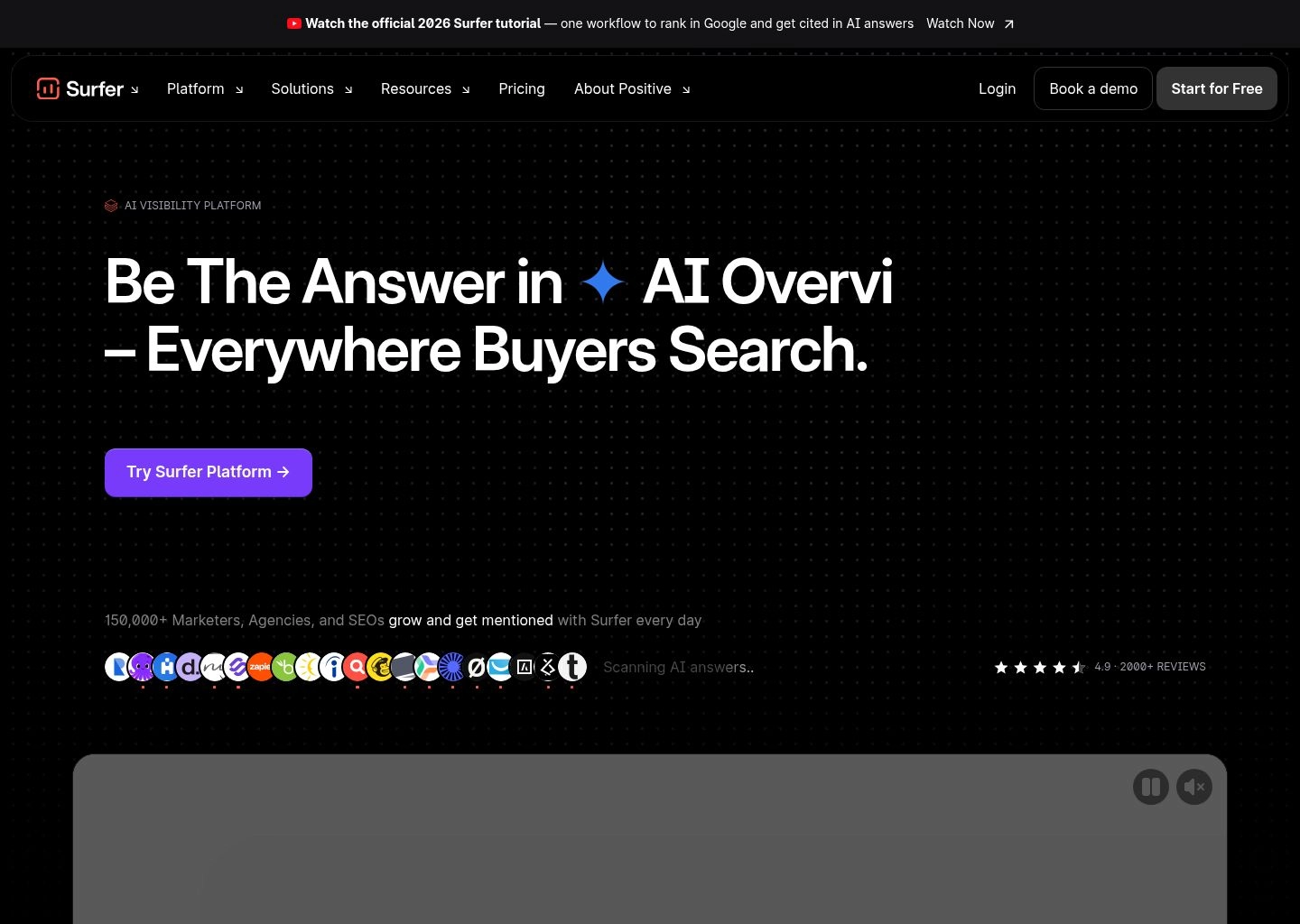
Surfer AI's content optimization editor displaying real-time NLP entity density, competitor heading structures, and live Content Score.
Surfer AI bridges the gap between generative language models and empirical organic search data. Rather than drafting articles in a vacuum, Surfer crawls the live top 20 Google search results for your target keyword, reverse-engineers the semantic concepts driving those rankings, and generates a structured 2,500- to 3,500-word article pre-optimized to rank on Page 1.
Surfer AI automatically structures headings (H2, H3), formats responsive HTML comparison tables, incorporates custom tone parameters, and injects relevant natural language processing (NLP) entities at natural frequencies. Its automated internal linking feature analyzes your connected domain and suggests exact contextual anchors to insert across your site.
Key Capabilities & Features:
Live SERP Crawling: Analyzes over 500 on-page ranking factors from current top-ranking pages.
Real-Time Content Score (0–100): Dynamic visual meter calibrated against ranking competitor density.
Automated Internal Linking: Suggests context-aware internal links across your connected WordPress/Webflow site.
One-Click CMS Publishing: Direct export to WordPress, Google Docs, and Webflow.
Hands-On Pros & Cons:
✓ Pros:
Highest correlation with organic Google rankings; eliminates manual keyword research friction.
✗ Cons:
Platform subscription starts at $89/mo; individual Surfer AI generation credits cost ~$19 per article.
Pricing & Verdict: Core platform starts at $89/month (Essential plan). Dedicated Surfer AI article credits can be purchased in packages. Essential for SEO agencies, affiliate publishers, and content-driven SaaS brands.
Best for GTM Teams★ 4.8 / 5.0 Rating
3. Copy.ai — Best for Long-Form GTM Workflows & Multi-Channel Repurposing
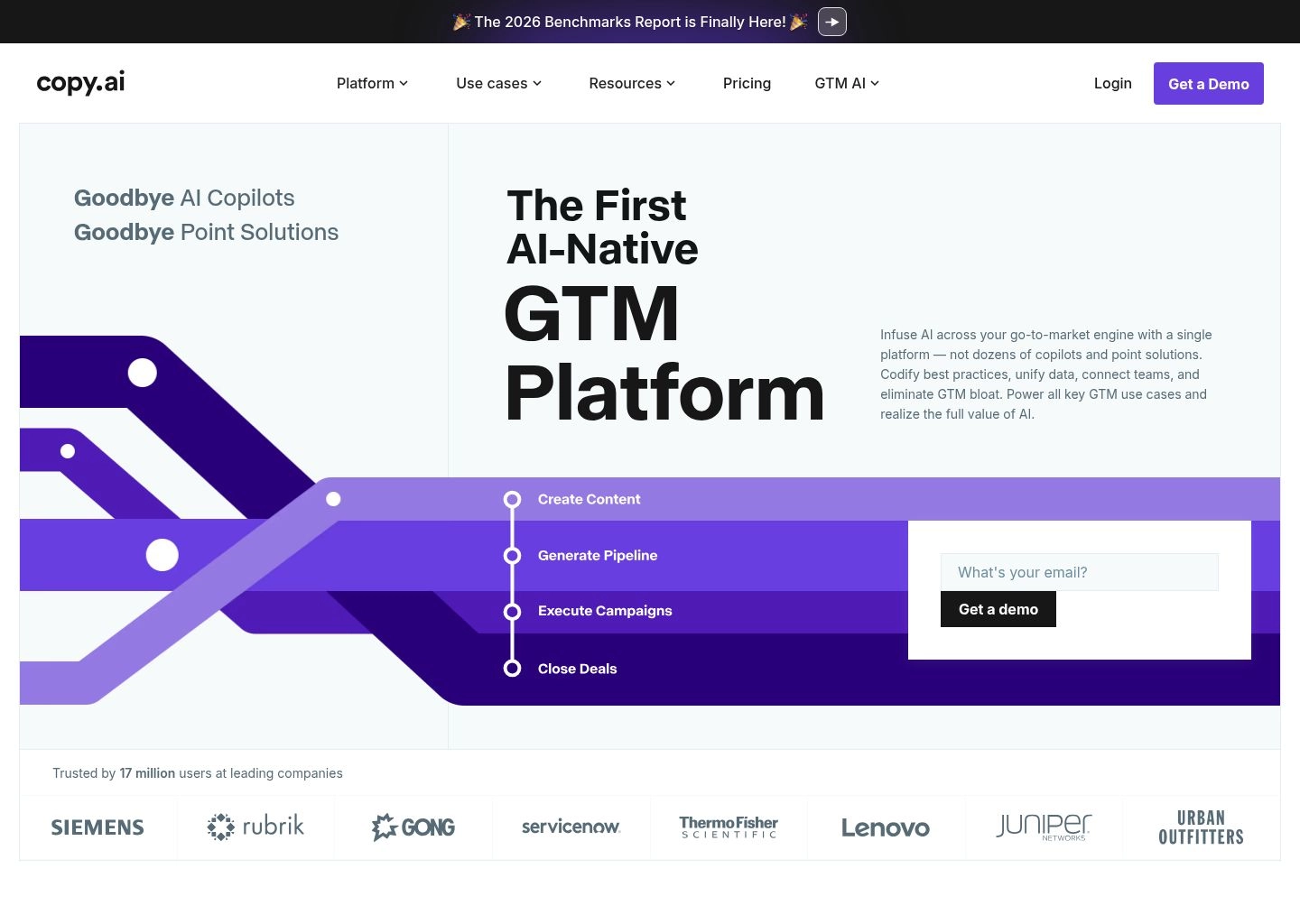
Copy.ai's workflow engine allowing growth teams to generate 3,000-word articles and automatically cascade them into omnichannel marketing assets.
Copy.ai has transformed from a basic copywriting tool into a comprehensive Go-To-Market AI platform. Its Long-Form Blog Post Wizard guides writers through a structured 4-step generation workflow: Title discovery, Heading outline review, Section talking points refinement, and Full draft generation.
Once a 3,000-word article is created, Copy.ai's automated workflows allow you to cascade that single long-form asset into 10 social snippets, an email nurture sequence, a sales one-pager, and video script talking points with zero manual reformatting.
Key Capabilities & Features:
Blog Post Wizard: Interactive outline and talking points editor prevents off-topic AI tangents.
Automated Workflows: Cascades long-form pillar articles into multi-channel marketing campaigns.
Infobase Repository: Stores company factual documentation to eliminate AI hallucinations.
Hands-On Pros & Cons:
✓ Pros:
Outstanding step-by-step editorial control; generous free tier includes 2,000 words/month.
✗ Cons:
Advanced workflow automation requires the Team plan ($186/mo billed annually).
Pricing & Verdict: Free plan includes 2,000 words/month. Pro Plan starts at $36/month (billed annually at $432/yr) for unlimited words in chat. Best for B2B growth marketers and content strategists.
Best Multi-Competitor★ 4.7 / 5.0 Rating
4. Writesonic (Article Writer 6.0) — Best for Fast Multi-Competitor Fact Checking
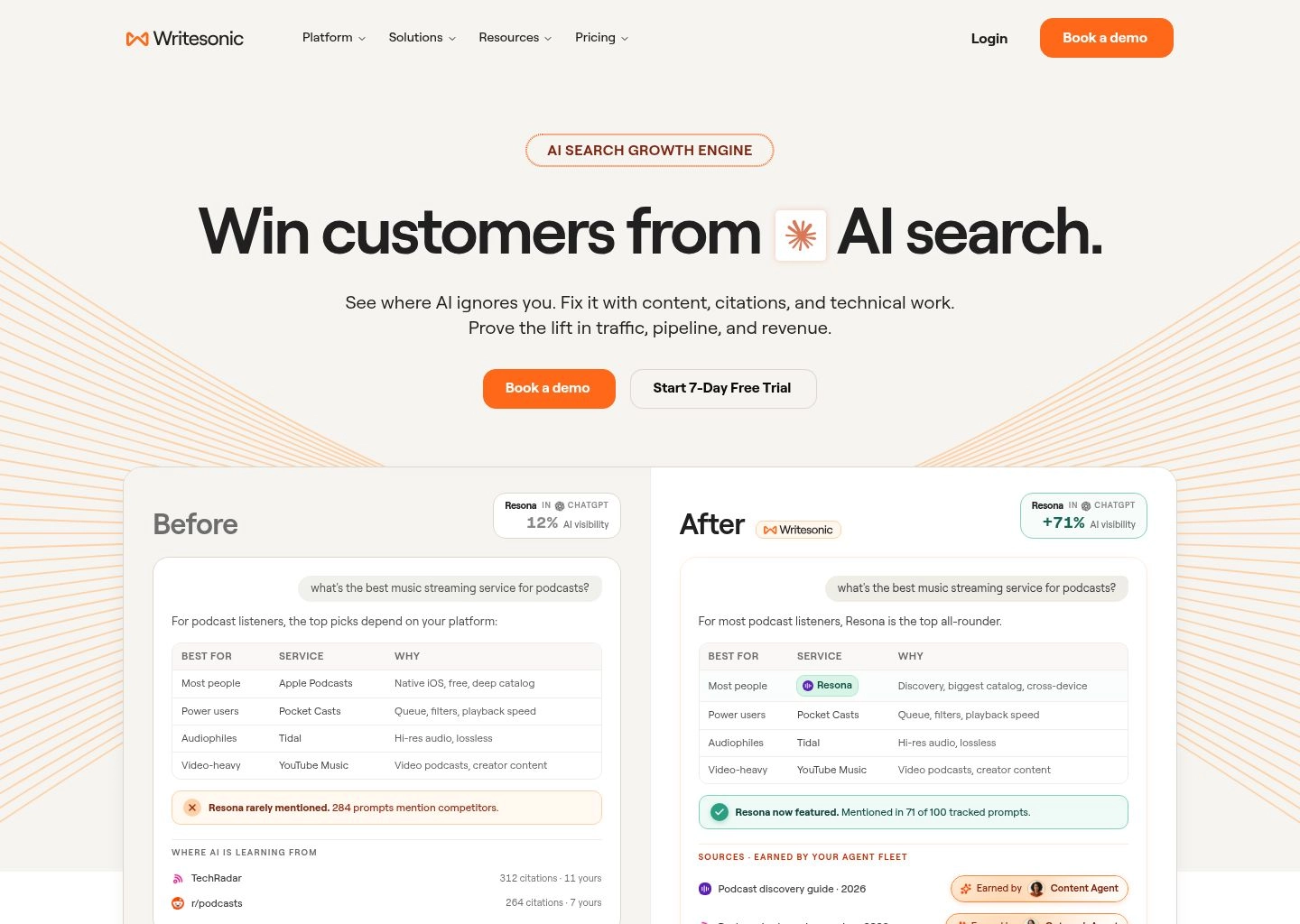
Writesonic's Article Writer 6.0 allowing writers to input competitor URLs and generate 3,000-word citation-backed guides.
Writesonic's flagship SEO Article Writer 6.0 is built for speed and factual accuracy. Instead of relying purely on pre-trained LLM weights, Writesonic allows you to input up to 10 specific competitor URLs or search queries. The engine crawls those live pages, analyzes their structural arguments, identifies key statistics, and generates a comprehensive 3,000-word draft complete with external reference citations.
Writesonic automatically includes royalty-free featured images, custom heading banners, and formatted comparison tables, drastically reducing the post-generation formatting time required before publishing to WordPress.
Key Capabilities & Features:
Multi-URL Competitor Analysis: Scrapes up to 10 live ranking URLs to synthesize superior coverage.
Automated Factual Citations: Injects linked sources directly into claims and statistics.
1-Click WordPress & Zapier Sync: Direct publishing pipelines with metadata formatting.
Hands-On Pros & Cons:
✓ Pros:
Produces complete, visually formatted articles in under 3 minutes; excellent factual grounding.
✗ Cons:
Prose can sometimes feel slightly formulaic, requiring human personality polish.
Pricing & Verdict: Free trial with 25 credits. Individual Plan starts at $20/month (billed annually at $16/mo); Pro plans scale with generation volume. Excellent for affiliate publishers needing rapid research synthesis.
Best for Research Briefs★ 4.8 / 5.0 Rating
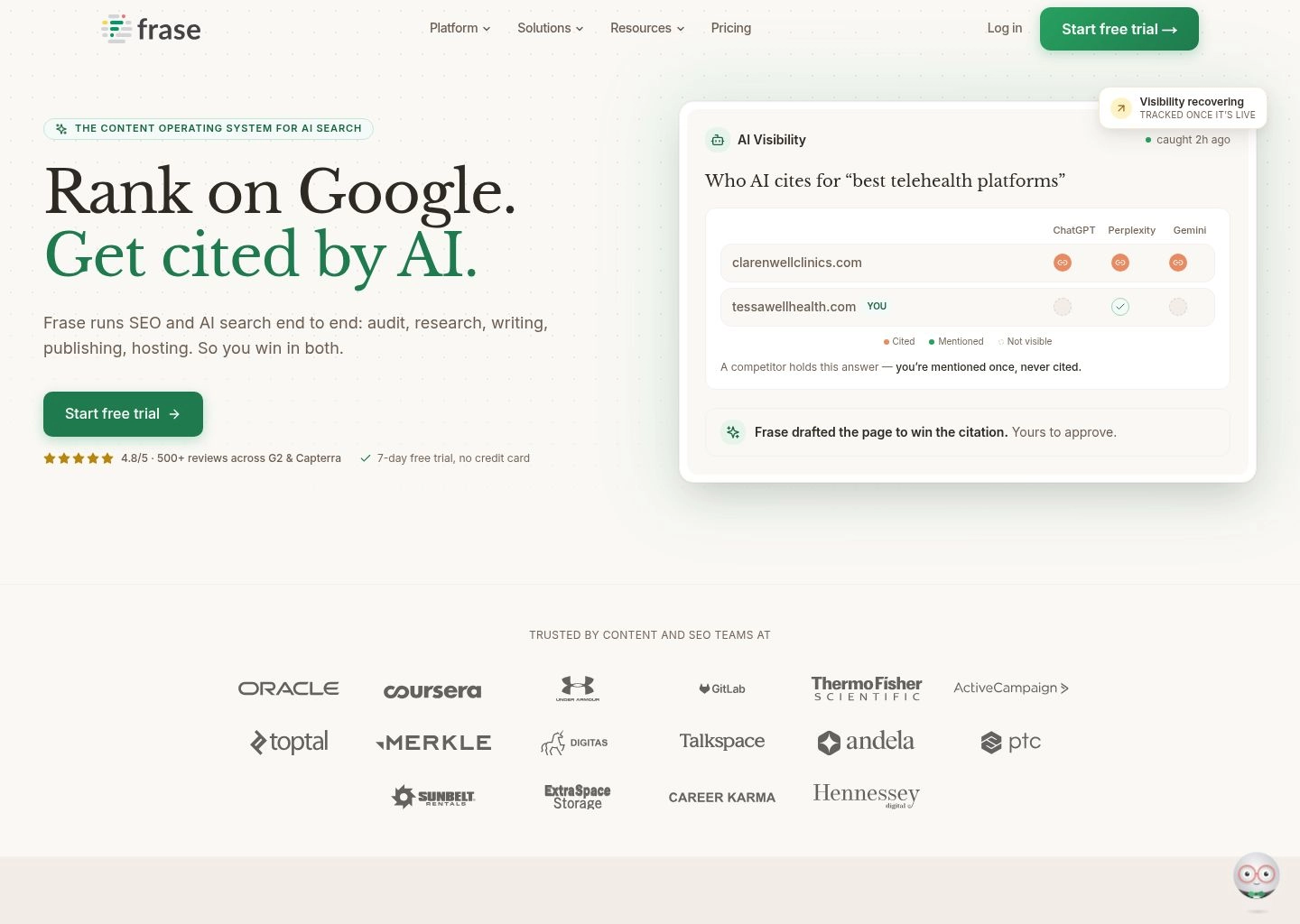
5. Frase.io — Best for Question Clustering & Research-Backed Long-Form Outlines
Frase.io's content brief builder displaying competitor heading structures, People Also Ask questions, and side-by-side drafting.
Frase.io is tailored for writers and SEO strategists who believe that superior long-form content begins with meticulous research. Instead of treating article generation as an uncontrolled 1-click output, Frase crawls the top 20 Google search results, pulls queries from Quora, Reddit, and Google's "People Also Ask" snippets, and builds a comprehensive content brief in minutes.
Frase's AI writing co-pilot allows you to write section by section while viewing competitor excerpts side-by-side. This ensures your final 3,000-word guide covers all essential subtopics while introducing unique perspectives competitors omitted.
Key Capabilities & Features:
Automated Content Briefs: Synthesizes headings, competitor stats, and search questions into an actionable outline.
Topic Score Optimization: Compares your drafted entity density against top SERP competitors in real time.
Side-by-Side Research Canvas: Inspect competitor paragraphs without opening separate browser tabs.
Hands-On Pros & Cons:
✓ Pros:
Best outline and question research workflow in the industry; highly affordable starting price ($15/mo).
✗ Cons:
Unlimited AI writing requires a $35/month add-on subscription.
Pricing & Verdict:Solo Plan starts at $15/month (billed annually at $12/mo); Basic Plan is $45/month; Team Plan is $115/month. The top pick for research-driven content creators.
Best Literary Nuance★ 4.9 / 5.0 Rating
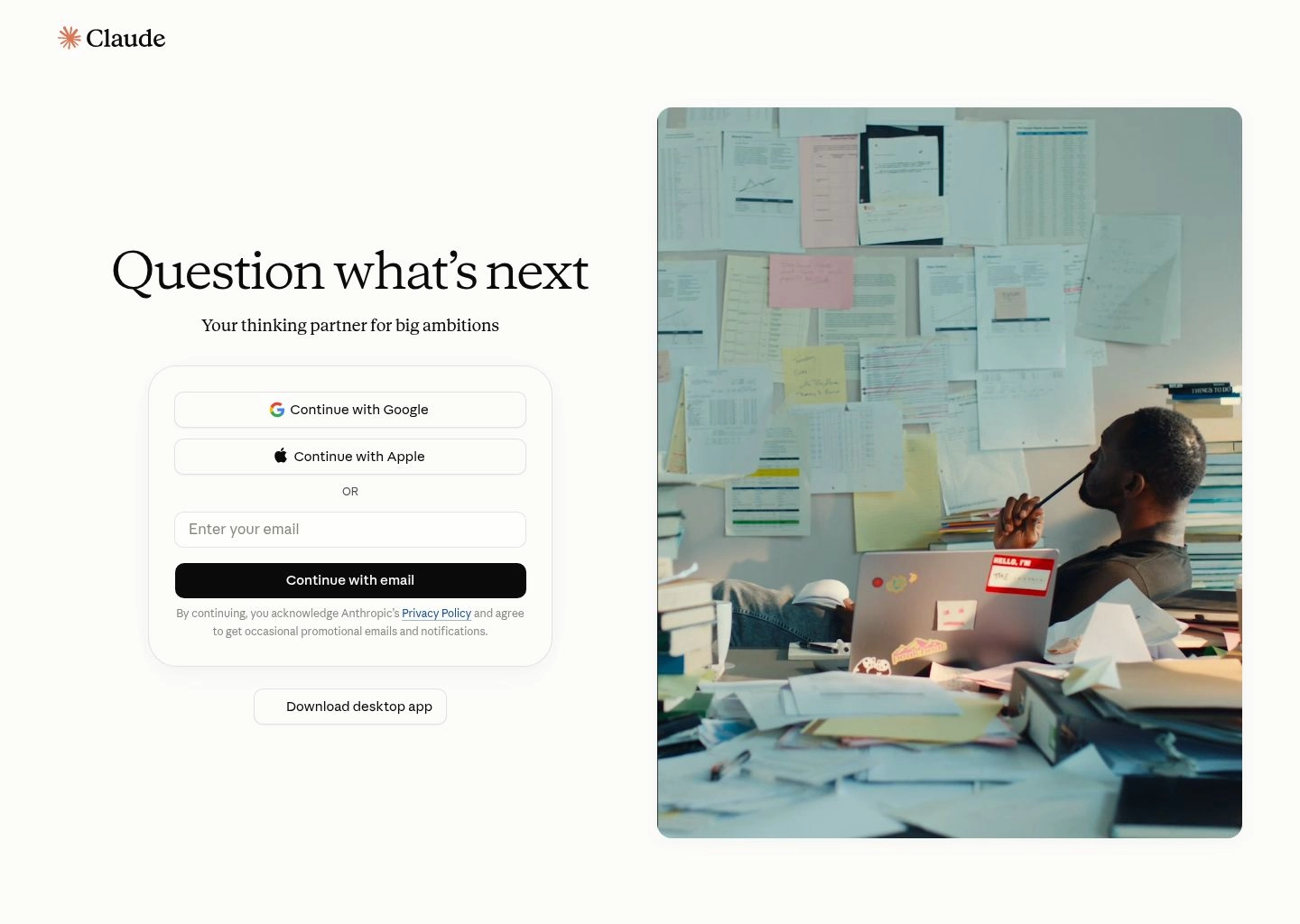
6. Claude 3.5 Sonnet — Best for Complex Long-Form Prose, Whitepapers & Deep Research
Claude 3.5 Sonnet's conversational workspace capable of sustaining narrative coherence across 10,000+ word whitepapers and manuscripts.
Anthropic's Claude 3.5 Sonnet has emerged as the premier choice for authors, technical architects, and enterprise strategists drafting multi-chapter ebooks, comprehensive whitepapers, and rigorous industry reports. While other language models degrade in quality past 2,000 words, Claude's 200,000-token context window maintains flawless character consistency, logical argumentation, and nuanced style across entire manuscripts.
Claude avoids the formulaic transitional fluff ("Furthermore", "In today's fast-paced digital world", "Delve") that plagues other models, producing authentic, intellectually rigorous prose with varied sentence cadence and sophisticated vocabulary.
Key Capabilities & Features:
200K Token Context Window: Ingests full reference libraries, datasets, and previous chapters simultaneously.
Superior Linguistic Nuance: Natural human sentence structure with zero repetitive corporate fluff.
Interactive Artifacts: View and iterate on complete chapters and structured documents in real time.
Hands-On Pros & Cons:
✓ Pros:
Highest human readability score in the industry; unmatched intellectual depth for technical subjects.
Pricing & Verdict: Free tier available with daily message limits. Claude Pro is $20/month for 5x usage limits and priority server access. The gold standard for authors, researchers, and technical writers.
Best Multi-Persona GPTs★ 4.8 / 5.0 Rating
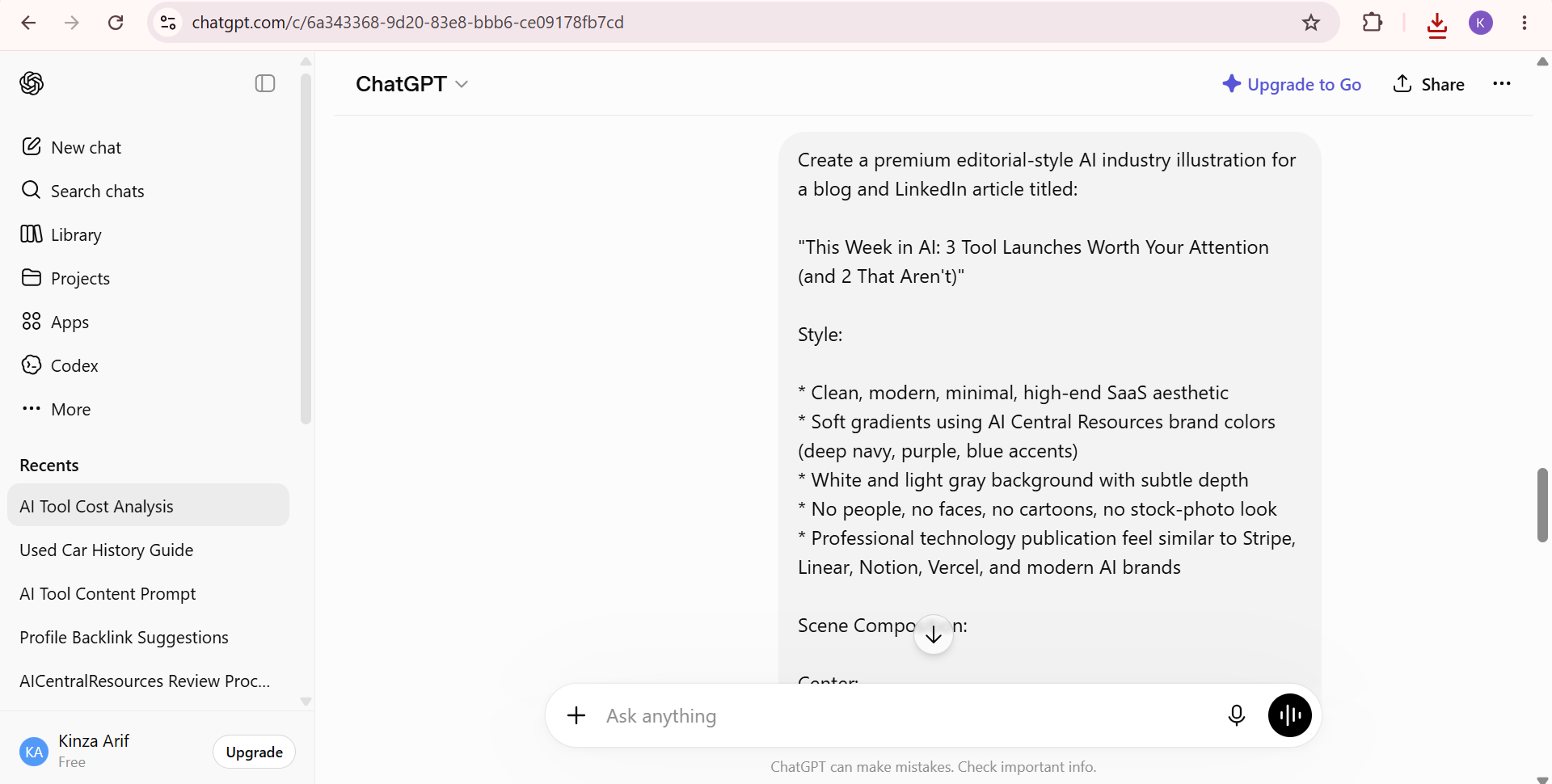
7. ChatGPT (GPT-4o) — Best for Versatile Custom Long-Form GPTs & Outlining
ChatGPT's interface supporting custom GPT outline builders, live web browsing, and multi-turn chapter generation.
OpenAI's ChatGPT (powered by GPT-4o) remains a powerhouse for long-form content when utilized with structured multi-turn prompting frameworks. By utilizing Custom Instructions or creating dedicated Custom GPTs loaded with reference documents, writers can maintain consistent tone across 5,000-word guides.
ChatGPT's integrated web browsing capabilities allow it to pull recent case studies, verified market statistics, and live industry quotes into your long-form draft, grounding theoretical arguments in real-world facts.
Key Capabilities & Features:
Custom GPTs: Build dedicated long-form writing bots loaded with your proprietary style guides.
Live Search Grounding: Pulls current statistics and references directly from top web pages.
Multimodal Capabilities: Analyze charts, PDFs, and infographics to incorporate data into text.
Hands-On Pros & Cons:
✓ Pros:
Unmatched flexibility and custom GPT ecosystem; free access via GPT-4o mini.
✗ Cons:
Requires disciplined multi-step prompting to avoid generic introductory fluff.
Pricing & Verdict: Free tier includes GPT-4o mini. ChatGPT Plus is $20/month for full GPT-4o access, custom GPT creation, and priority server bandwidth.
Best Connected Wikis★ 4.7 / 5.0 Rating
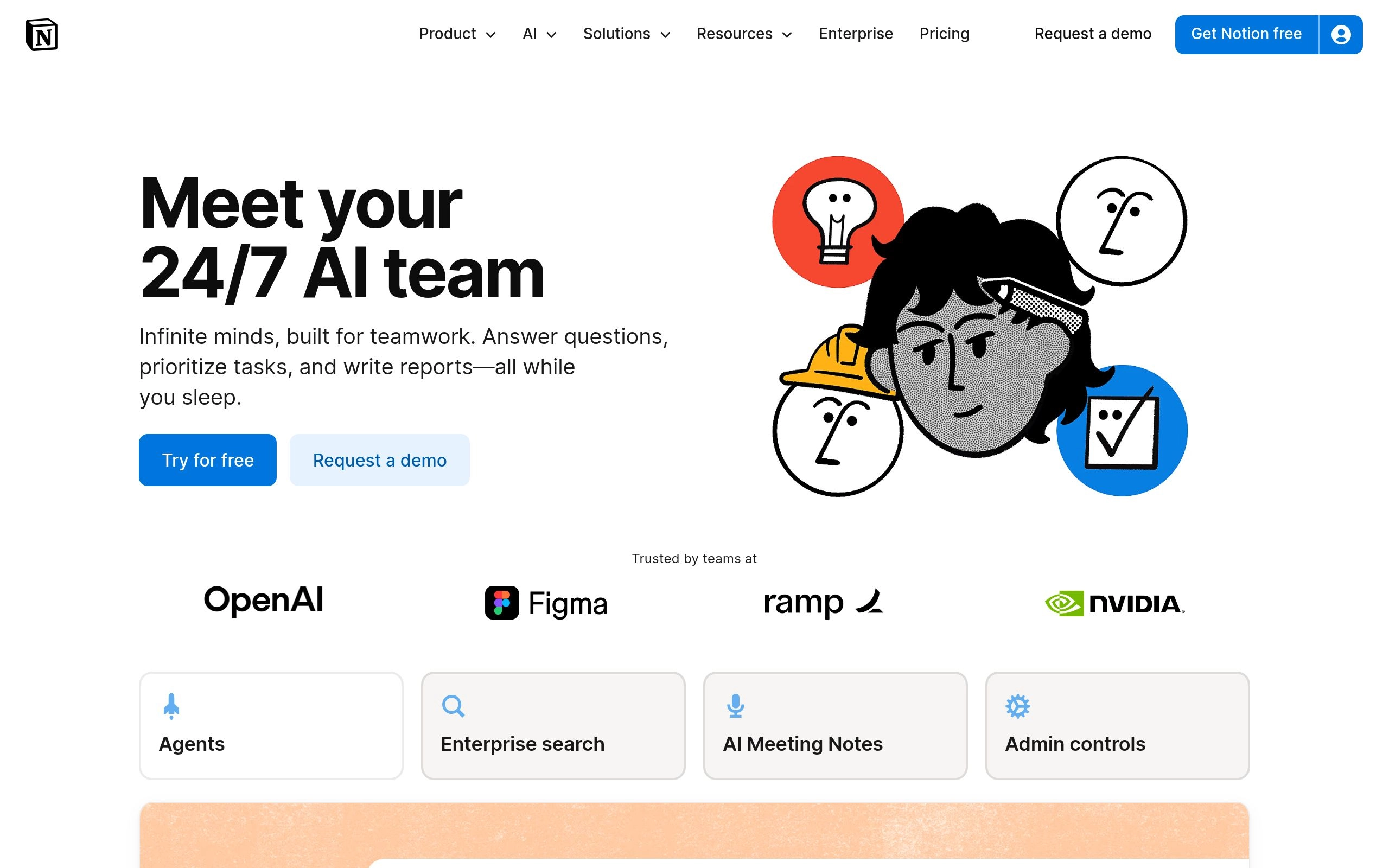
8. Notion AI — Best for Connected Long-Form Team Wikis & Knowledge Base Docs
Notion AI's collaborative workspace allowing teams to draft comprehensive SOPs, product documentation, and client proposals in place.
For organizations that run their internal documentation on Notion, Notion AI allows writers to draft extensive 3,000+ word standard operating procedures (SOPs), company handbooks, and client strategy documents without leaving their workspace.
Notion AI can search across your entire workspace, pulling accurate data points from existing meeting notes, product roadmaps, and customer feedback databases to generate comprehensive, contextually accurate long-form reports.
Key Capabilities & Features:
Workspace Search & Synthesis: Ingests internal company notes to ground long-form documentation.
Inline Slash Commands: Generate tables, callout blocks, bulleted checklists, and summaries in place.
Collaborative Editing: Multiple team members can edit and review AI-generated drafts simultaneously.
Hands-On Pros & Cons:
✓ Pros:
Flawless integration with Notion databases; eliminates context switching across tools.
✗ Cons:
Requires an active Notion subscription; add-on costs $8–$10/user/month.
Pricing & Verdict: Notion AI add-on costs $8/user/month (billed annually) or $10/user/month. Essential for companies building comprehensive internal documentation.
Best for Academic Flow★ 4.7 / 5.0 Rating
9. QuillBot Co-Writer — Best for Student & Academic Long-Form Thesis Writing
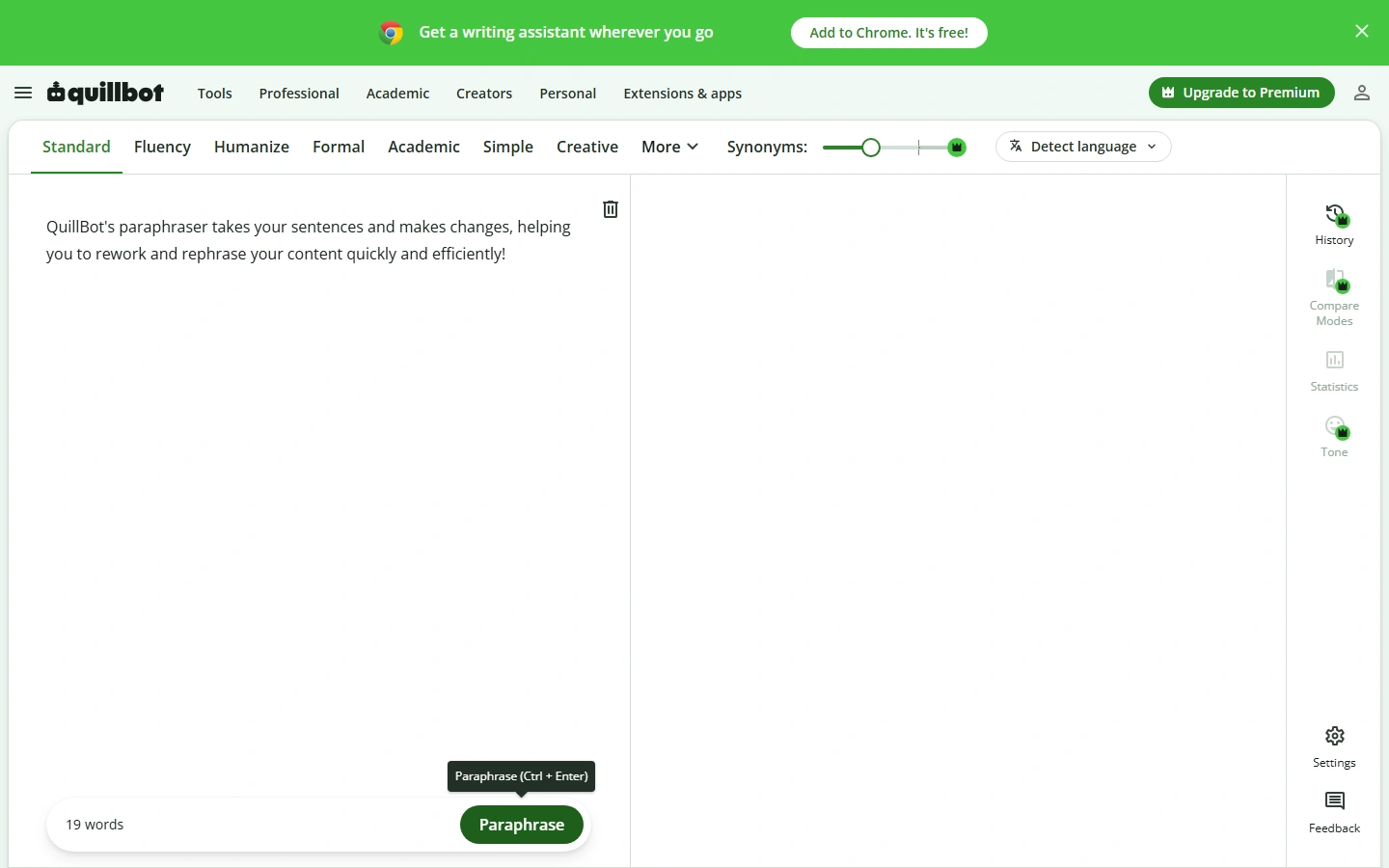
QuillBot Co-Writer's full-document environment combining research paper search, automated citations, paraphrasing, and grammar checking.
While famous for sentence rephrasing, QuillBot's Co-Writer is a comprehensive full-document editing environment tailored for essayists, academic researchers, and students drafting 2,500+ word papers.
QuillBot Co-Writer integrates an academic web research engine directly into the left sidebar. Writers can search for peer-reviewed studies, pull relevant excerpts into their draft, automatically format in-text citations in APA, MLA, or Chicago styles, and run real-time paraphrasing and grammar checks on the fly.
Key Capabilities & Features:
Integrated Academic Research Tab: Search online journals and extract citations without leaving the editor.
Automatic Citation Formatter: Generate APA, MLA, Harvard, and Chicago bibliographies.
Seamless Paraphrasing & Summarizing: Instant access to all 7 QuillBot rewriting modes.
Hands-On Pros & Cons:
✓ Pros:
All-in-one student research workbench; unbeatable pricing at $4.17/month.
✗ Cons:
Less focused on commercial SEO keyword optimization than Surfer or Frase.
Pricing & Verdict: Free basic access available. QuillBot Premium is $4.17/month (billed annually at $49.95/yr). The top recommendation for academic researchers and university students.
Best Readability Polish★ 4.6 / 5.0 Rating
10. Hemingway Editor Plus — Best for Long-Form Readability Polishing & Grade Level
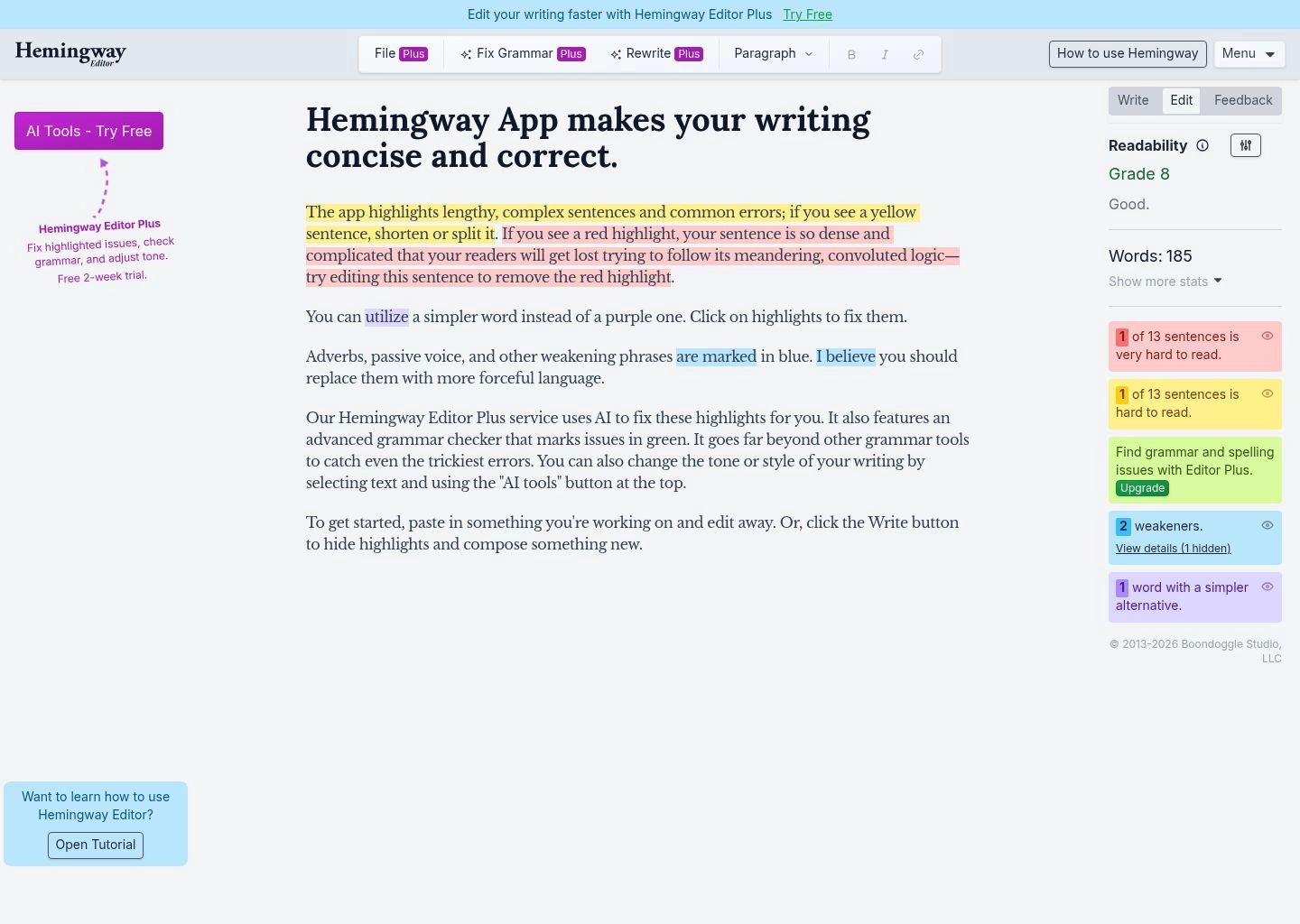
Hemingway Editor's visual interface identifying readability bottlenecks and trimming passive fluff across complete manuscripts.
When drafting 3,000+ word guides, sentence bloat and cognitive fatigue can easily creep into paragraphs, driving up bounce rates. Hemingway Editor Plus serves as the final quality assurance gatekeeper for long-form content.
Hemingway identifies long, convoluted sentences, highlights passive voice, flags weak adverbs, and calculates an overall reading grade level. With Hemingway Plus, writers can click on any highlighted defect to receive an instant AI-powered revision that makes the sentence punchy and assertive.
Key Capabilities & Features:
Visual Readability Diagnostics: Instant color-coded highlighting of hard-to-read sentences.
One-Click AI Rewrites: Automatically fix passive voice and shorten complex phrasing.
Unlimited Word Count: Paste entire multi-thousand word articles into the web canvas.
Hands-On Pros & Cons:
✓ Pros:
Web version is 100% free with unlimited word capacity; forces clean, assertive prose.
✗ Cons:
Designed for editing and polishing rather than autonomous first-draft creation.
Pricing & Verdict: Web app at HemingwayApp.com is 100% Free. Hemingway Plus (adds 1-click AI sentence fixes) is $10/month (billed annually at $8.33/mo). Standalone desktop app is a one-time $19.99 purchase.
The 5-Stage Long-Form Production Framework for 2026
Generating high-ranking, human-grade long-form content that captivates readers requires combining AI speed with human editorial direction. Follow this 5-stage production roadmap:
Use tools like Frase or Surfer to extract the top 25 search queries and competitor heading structures. Build a comprehensive outline covering every core concept while adding unique proprietary angles.
2. Section-by-Section AI Co-Drafting
Rather than generating a 3,000-word article in a single uncontrolled prompt, generate section by section using Jasper Boss Mode or Claude 3.5 Sonnet to maintain rigorous thematic control.
3. Human E-E-A-T Injection & Fact Verification
A human subject matter expert adds real-world case studies, verified pricing numbers, hands-on tool impressions, and authentic editorial opinions.
4. Visual Formatting & Comparison Tables
Break up dense text with responsive HTML comparison tables, callout verdict boxes, screenshot previews, and structured FAQ accordion cards.
5. Internal Link Architecture & IndexNow Ping
Add 20+ root-relative internal links across your directory and blog, then broadcast the URL via IndexNow API for instant search engine indexing.
Q: Which AI tool can maintain narrative coherence over 50+ pages (book manuscripts & extensive whitepapers)?
Holding narrative continuity, character logic, and factual consistency across a 50+ page manuscript (15,000 to 30,000+ words) requires an AI with an expansive context window and hierarchical outlining capabilities. Claude 3.5 Sonnet is the premier foundation model for this use case due to its native 200,000-token context window (~150,000 words), allowing you to pass entire book manuscripts, character sheets, and chapter outlines in a single prompt without context drift. For structured fiction authors, specialized platforms like Sudowrite and Jasper AI (Long-Form Canvas) provide dedicated chapter-by-chapter story bibles and persistent memory banks that prevent hallucinating plot points across lengthy chapters.
Q: How do global content creators in Europe (Spain, Germany, France) utilize long-form AI writers for multi-language publishing?
Content marketing agencies operating across international markets (such as Spain, Germany, France, and Latin America) utilize long-form AI platforms that support native localized syntax rather than literal machine translations. Jasper AI and Writesonic natively generate 3,000+ word articles in 30+ languages (including European Spanish, Castilian, and Latin American Spanish), automatically adapting colloquial idioms and search intent. Furthermore, pairing Claude 3.5 Sonnet or DeepL Write with long-form drafts ensures European academic and business vocabulary maintains native tone and regional grammatical nuances.
Can an AI write a 3,000+ word article without repeating itself?
Yes, provided you use long-context models and structured chapter outlines. Models like Claude 3.5 Sonnet (with its 200k-token context window) and dedicated long-form suites like Jasper AI Boss Mode avoid repetitive circular logic by maintaining memory across preceding sections. Supplying a granular heading-by-heading brief ensures the AI covers distinct conceptual angles rather than rehashing earlier arguments.
Does Google rank AI-generated long-form blog posts in 2026?
Yes. Google’s official Search Central guidelines explicitly state that rankings are determined by content helpfulness, accuracy, and user satisfaction—not authoring method. To rank consistently on Page 1, long-form articles must combine AI structural drafting with real human editorial supervision: original case studies, proprietary data, first-party screenshots, and verifiable E-E-A-T signals.
Which AI model is best for drafting long-form business and technical documents?
Claude 3.5 Sonnet is the undisputed leader for long-form whitepapers, business proposals, and technical documentation. It writes with superior tone maturity, avoids generic marketing buzzwords, and reliably synthesizes complex uploaded datasets (CSVs, PDFs, and API documentation) across 50+ page documents without degrading context.
What is the best AI tool for long-form SEO content creation?
Surfer AI and Frase lead the long-form SEO space. Rather than drafting in an informational vacuum, they scan the current top 20 Google SERP results for your target query, determine average word count, extract essential NLP semantic entities, and produce comprehensive 3,500+ word drafts pre-scored for search visibility.
How do long-form AI writers differ from standard chat models like ChatGPT?
Standard chatbots typically hit token output limits after 600–800 words and require continuous manual prompting ("continue", "expand"). Dedicated long-form AI writers use automated multi-stage pipelines: they generate a structured outline, execute real-time web research, draft section by section, insert relevant headings and tables, and auto-format the finished draft into clean HTML or Markdown ready for CMS export.
What is the most cost-effective AI long-form writer for solo creators and bloggers?
Writesonic (Article Writer 6.0) and Frase offer the best value for solo bloggers and small agencies. They provide complete multi-competitor SERP analysis, factual research integrations, and full article generation starting at under $35/month, significantly lower than enterprise suites like Jasper or MarketMuse.
Student, Author, Learner, Developer and Researcher
Passionate about AI technology and its applications. dedicated to bringing you the latest insights and trends from the world of artificial intelligence.
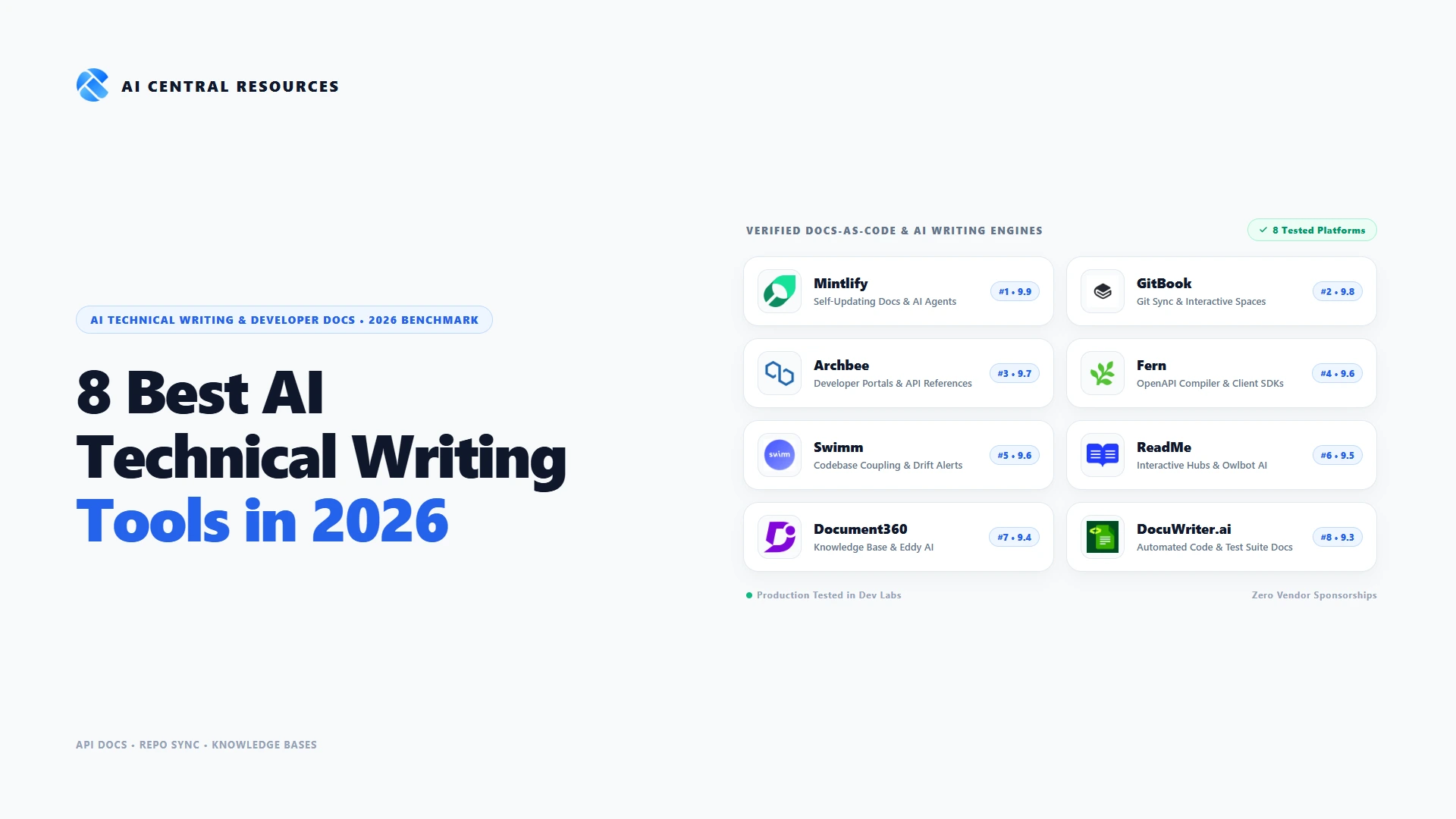
We tested 8 top AI technical writing and documentation tools across 1,600+ API endpoints and Git repos. Compare Mintlify, GitBook, Archbee, Fern, Swimm, and more for docs-as-code, OpenAPI sync, and AI agent readiness.
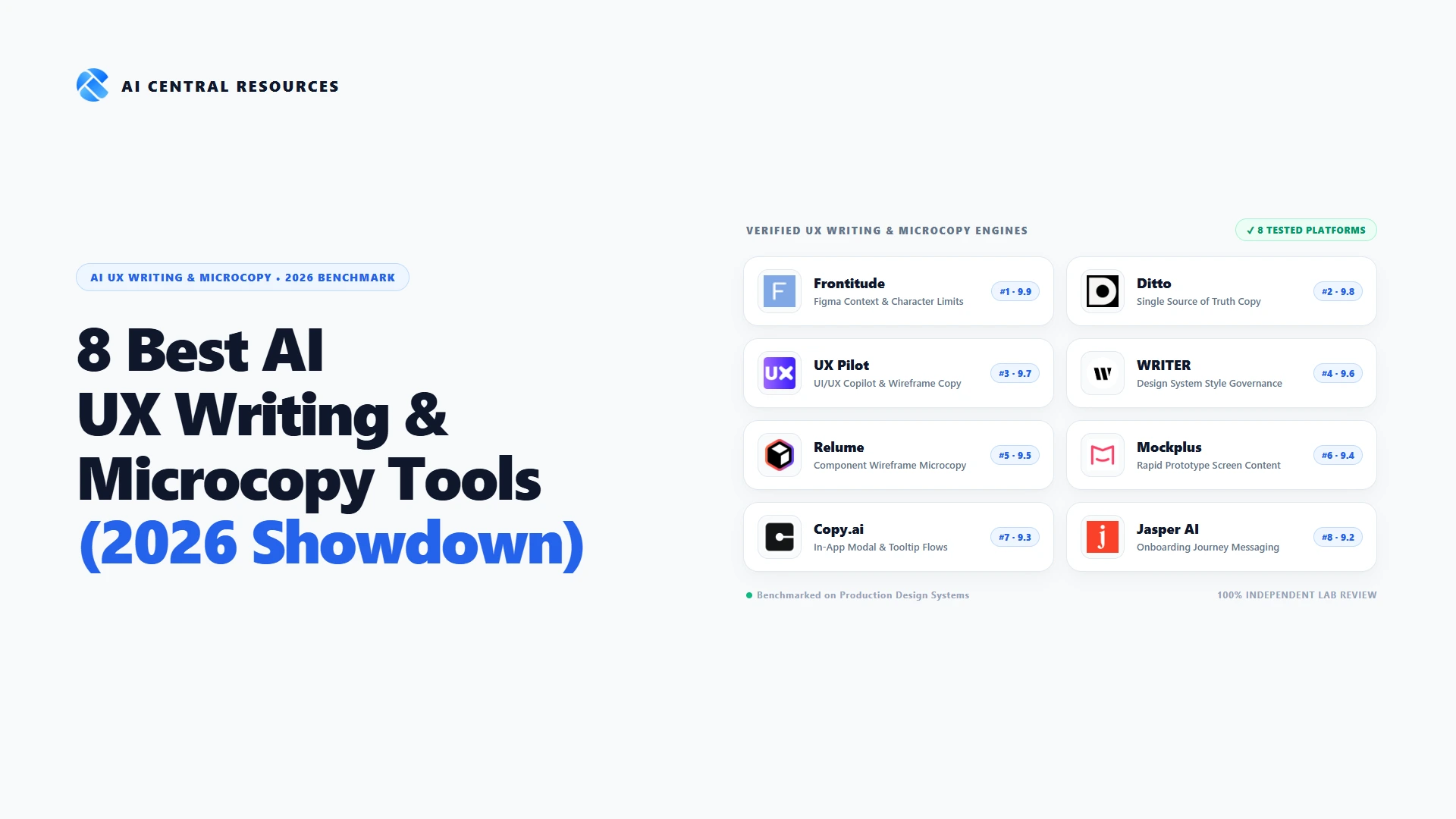
We tested 8 top AI UX writing and product microcopy tools across 1,800+ Figma screens and UI strings. Compare Frontitude, Ditto, UX Pilot, WRITER, Relume, and more for native Figma plugins, design system string tokens, and multi-language localization.
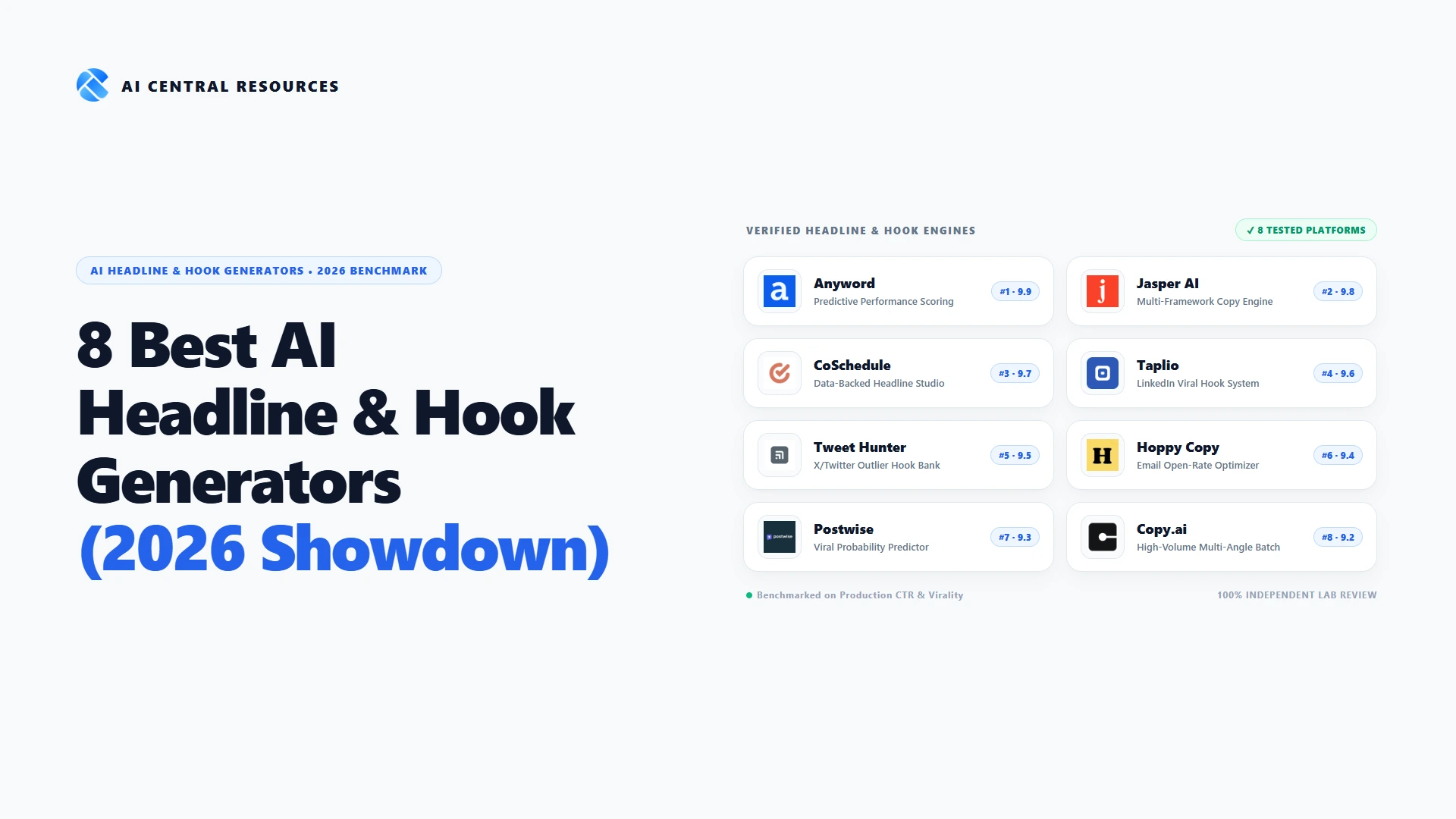
We tested 8 top AI headline and viral hook generators across 2,400+ titles. Compare Anyword, Jasper AI, CoSchedule Headline Studio, Taplio, Tweet Hunter, and more for predictive CTR scoring and social engagement.
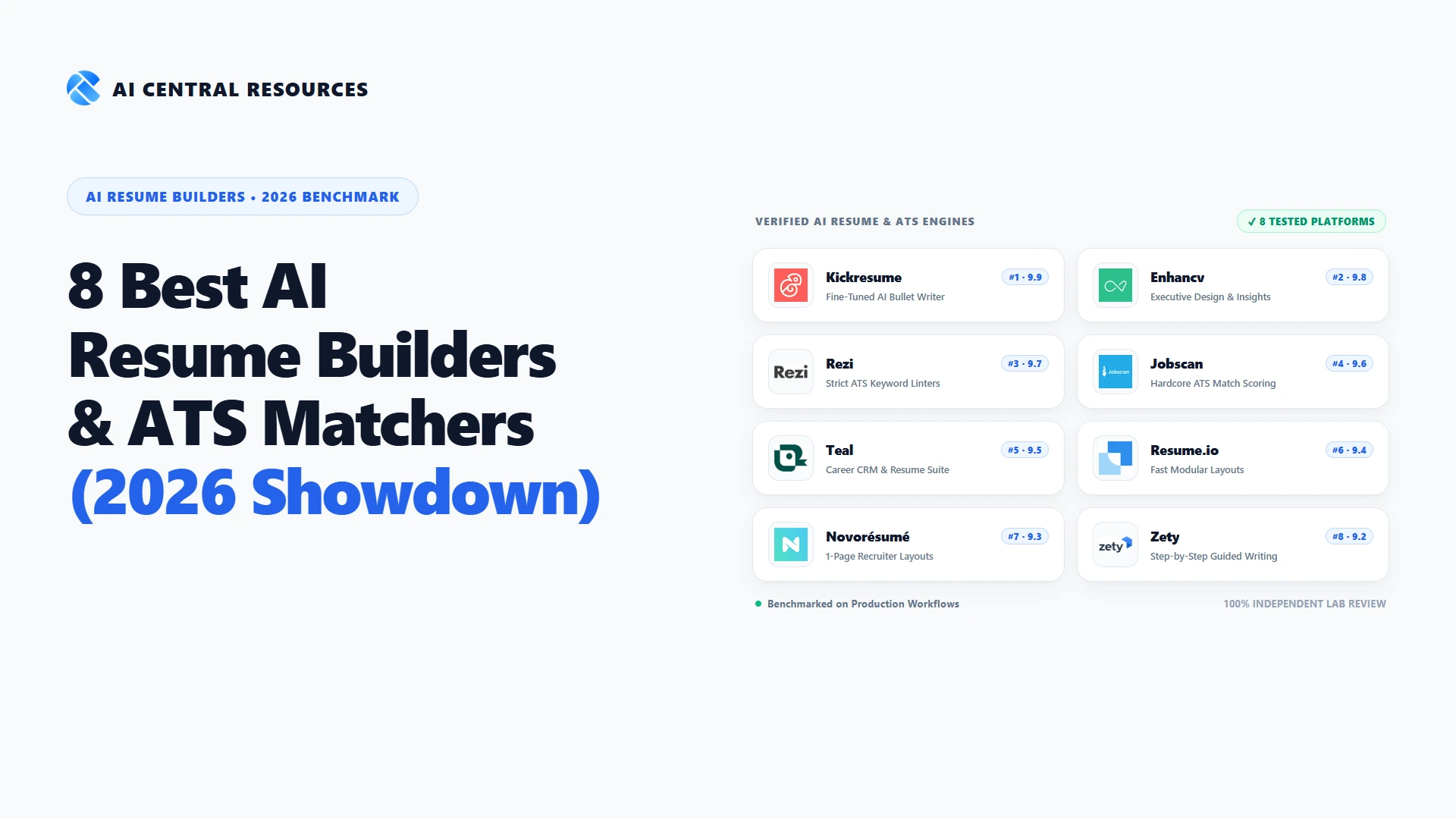
We tested the 8 leading AI resume and cover letter builders against Workday, Taleo, and Greenhouse parsers. Compare Kickresume, Enhancv, Rezi, Jobscan, Teal, and more for ATS pass rates, keyword matching, and Google XYZ bullet generation.