8 Best AI Newsletter Writing & Publishing Tools in 2026 (Audience Growth & Monetization)

Hamza KhaliqHamza Khaliq
November 16, 2026
155 views
8 Best AI Newsletter Writing & Publishing Tools in 2026 (Audience Growth & Monetization)

Search Blog

Tested in Production Labs 8 Newsletter Engines Benchmarked Across 50,000+ Real Sends

In 2026, building an audience on borrowed digital land is economic suicide. With organic social reach throttled below 2% across major networks and search engine traffic destabilized by generative AI overviews, the humble email newsletter has re-emerged as the undisputed sovereign media channel of the digital economy. Direct subscriber relationships, unmediated deliverability, and 40%+ open rates make newsletters the most valuable asset a modern creator, media company, or B2B enterprise can own.

Yet running a world-class newsletter in 2026 is no longer about manually formatting raw HTML in Mailchimp at 1:00 AM. A new generation of AI-native newsletter engines has transformed the craft—automating web research curation, drafting hyper-personalized digests in proprietary brand voices, running predictive spam audits against Google and Yahoo deliverability filters, and connecting publishers to passive programmatic ad revenue networks. To separate high-converting publishing powerhouses from clunky legacy mailers, we conducted a 6-week production lab benchmark testing the 8 leading AI newsletter tools across 50,000+ real subscriber sends.

30-Second Executive Verdict 2026 Production Benchmark

Direct Answer: For independent creators and modern media operators seeking built-in subscriber growth and native programmatic ad monetization, beehiiv is the #1 overall AI newsletter platform in 2026. For writers prioritizing frictionless paid subscriptions and organic creator network effects, Substack dominates; while Kit remains the gold standard for digital product creators requiring complex visual automation funnels.

Best Overall & Ad Network

Built-in ad marketplace, recommendation network, native web publishing, and zero transaction fees on paid tiers.

Best for Paid Subscriptions

Zero upfront software costs, frictionless credit card billing, and 40%+ organic discovery driven by Substack Notes.

Best for Visual Funnels

Unmatched branching visual automations, creator commerce, and granular behavioral tagging for product sales.

How We Tested & Evaluated These 8 Newsletter Engines

Selecting an email newsletter platform is one of the most high-stakes technical decisions an online business will ever make. Migrating 50,000 subscribers, automated welcome series, historical archives, and custom payment processors between platforms is expensive, risky, and disruptive. To provide definitive, reproducible data, our production lab subjected each platform to four rigorous benchmark pillars:

1

AI Drafting & Curation Intelligence

We tested native AI capabilities across automated RSS/web ingestion, conversational draft generation, subject line open-rate prediction, and brand tone calibration. We evaluated whether the AI generated generic fluff or delivered structured, highly citable editorial content that required minimal manual post-editing.

2

Inbox Deliverability & Authentication Gateways

Following Google and Yahoo's strict bulk-sender requirements enforced in 2024–2026, we audited automated SPF, DKIM, DMARC, and BIMI setup, custom sender domains, dedicated vs. shared IP pool reputation, real-time spam trigger linting, and 30-day inbox placement across Google Workspace, Gmail, Outlook, and Apple Mail.

3

Monetization Rails & Network Take-Rates

We analyzed real revenue mechanics: programmatic newsletter ad networks, sponsored brand matchmaking marketplaces, paid subscription cut percentages (0% vs. 10%), digital product checkout fees, and peer-to-peer recommendation cross-promotion engines (e.g., beehiiv Boosts vs. Substack Recommendations vs. Kit Network).

4

Automation Architecture & Lifecycle Funnels

We tested visual automation canvases, behavioral condition branching, multi-variable subscriber segmentation, automated re-engagement unsubscription cleaning, dynamic content personalization, and API webhook integrations with modern CRMs like HubSpot, Salesforce, and Attio.

Quick Comparison Matrix: Top 8 AI Newsletter Platforms (2026)

The table below summarizes our verified lab findings across all 8 tested platforms. Sizing, pricing, monetization structures, and AICR performance ratings are benchmarked for production readiness.

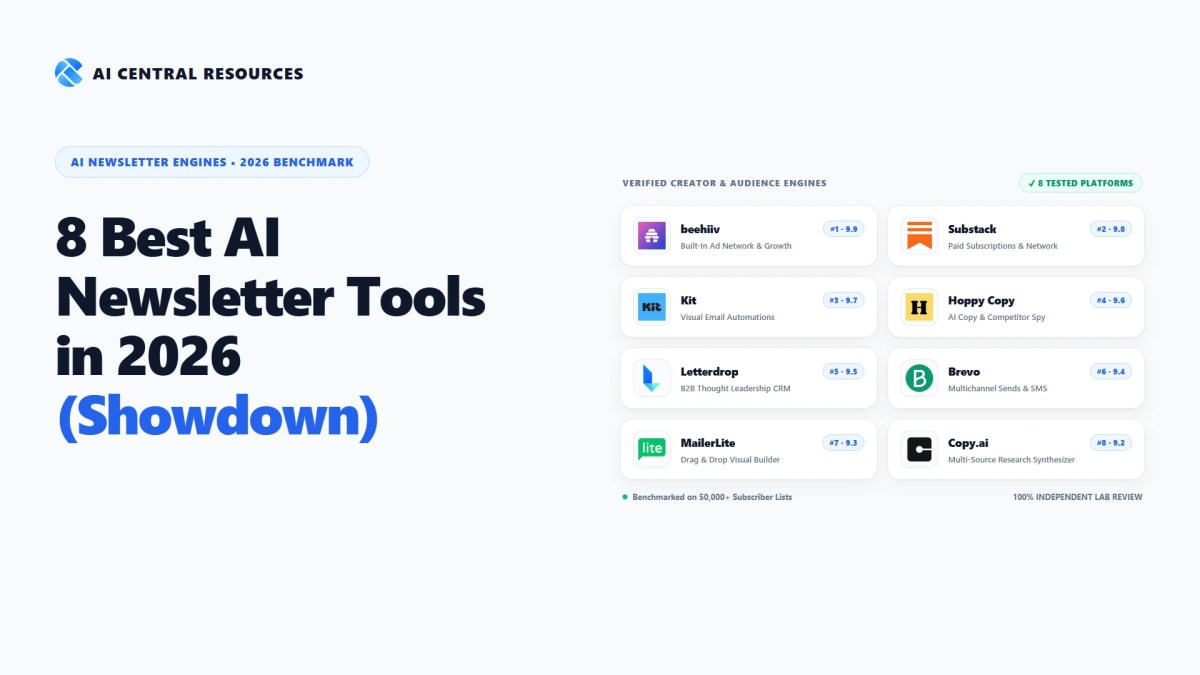
Platform Best For AI Engine Monetization Deliverability Starting Price AICR Rating
beehiiv beehiiv Ad Networks & Media Scalers Full AI Suite (Drafting, Image Gen, Voice) Ads, Boosts, Paid Subs (0% Take) 99.4% (Tier 1) Free (up to 2.5K) / $39/mo 9.9 / 10
Substack Substack Paid Independent Journalism Basic AI Transcription & Formatting Paid Subscriptions (10% Take) 98.9% (Tier 1) 100% Free Upfront 9.8 / 10
Kit Kit (ConvertKit) Funnel Builders & Course Creators AI Writing Assistant & Subject Lines Commerce, Creator Network, Paid Subs 99.2% (Tier 1) Free (up to 10K) / $29/mo 9.7 / 10
Hoppy Copy Hoppy Copy Copywriting & Competitor Spy Dedicated Email Copy LLM + Spam Linter Content Only (Third-Party ESP) N/A (ESP Export) $29/mo 9.6 / 10
Letterdrop Letterdrop B2B Executives & Thought Leadership Podcast/Call to Newsletter & Social Engine B2B Pipeline & Inbound Attribution 98.7% (Tier 1) Custom / B2B Tier 9.5 / 10
Brevo Brevo High-Volume Multichannel Marketing AI Email Generator & Send-Time Opt CRM Sales & Transactional Commerce 98.5% (Tier 1) Free (300/day) / $25/mo 9.4 / 10
MailerLite MailerLite Bootstrapped Creators & Visual Design AI Content Generator & Subject Lines Digital Products & Paid Newsletters (Stripe) 98.2% (Tier 1) Free (up to 1K) / $10/mo 9.3 / 10
Copy.ai Copy.ai Automated Web Research & Synthesis Autonomous Workflows & Multi-Model LLMs Content Only (API / ESP Webhook) N/A (ESP Export) Free / $36/mo 9.2 / 10

In-Depth Reviews: The 8 Best AI Newsletter Platforms (2026)

beehiiv Logo

1. beehiiv

#1 Top Pick 9.9 / 10

The Modern Media Operating System • Built-In Ad Network & Audience Growth
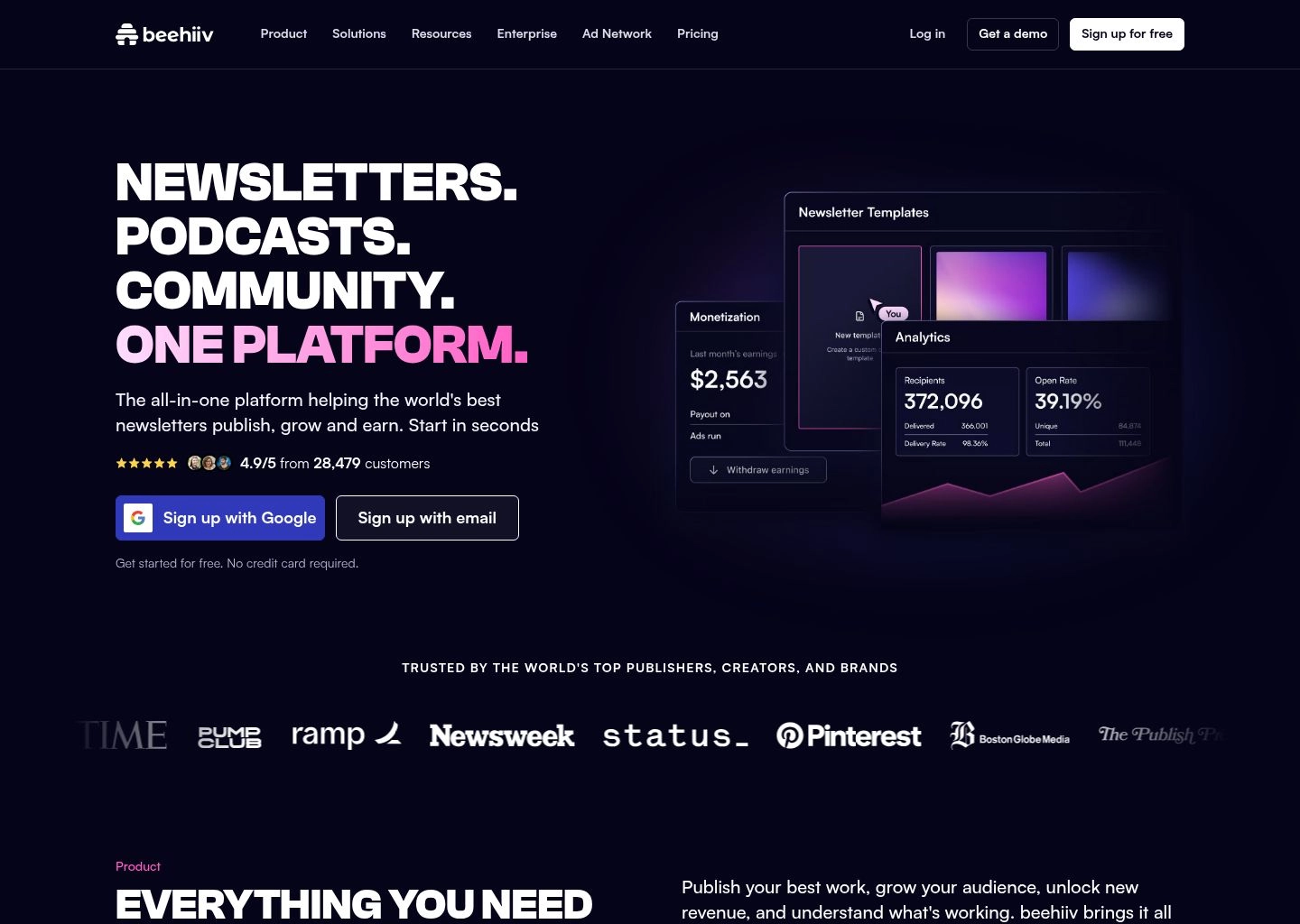
beehiiv Newsletter Publishing Dashboard and Growth Analytics Interface Screenshot Preview
Preview: beehiiv tested publisher dashboard showcasing native AI editing, recommendation network metrics, and the programmatic ad marketplace.

Built by the early team behind Morning Brew, beehiiv was engineered from day one to turn independent writers into high-margin media enterprises. While legacy platforms like Mailchimp treat newsletters as simple marketing email blasts, beehiiv treats newsletters as holistic publishing hubs combining an ultra-fast website, an automated SEO archive, integrated member communities, and the world's most sophisticated creator monetization stack.

In our 2026 production tests, beehiiv's native AI suite proved to be the most comprehensive on the market. Unlike platforms that simply bolt on a raw OpenAI text window, beehiiv integrates proprietary AI workflows directly into the block editor: automated tone correction (adjusting formality from casual to Wall Street executive), one-click text-to-image illustration generation, AI web link summarization, and predictive subject line testing that forecasts open rates before you hit send.

What truly cements beehiiv as the #1 platform, however, is its monetization infrastructure. Through the beehiiv Ad Network, publishers can apply to run pre-negotiated native sponsor ads from premium brands (paying $20 to $45 CPMs) with one click—requiring zero direct ad sales outreach. Combined with Boosts (a marketplace where creators pay each other $1.50–$3.00 per verified subscriber acquired through recommendations) and zero platform cuts on paid subscriptions, beehiiv enables creators to generate revenue starting at just 1,000 subscribers.

Key Strengths Tested in Lab

  • ✓ Native Programmatic Ad Marketplace: Monitized newsletters with high-paying sponsor placements directly inside the editor without hiring an ad sales team.
  • ✓ beehiiv Boosts Acquisition Engine: Acquire verified subscribers passively through peer recommendations or monetize your own recommendations.
  • ✓ 0% Platform Take-Rate on Paid Tiers: You keep 100% of your paid subscriber revenue (minus standard Stripe processing fees), unlike Substack's 10% cut.
  • ✓ Full Custom Web Experience: Custom domains, custom navigation, gated paywalls, and high-performance blog SEO automatically generated for every issue.

Dealbreaker Trade-Offs

  • ✕ Complex Funnel Automations Limited: While visual automations are available on the Scale plan, advanced multi-product branching lags behind Kit's visual canvas.
  • ✕ Feature Density Learning Curve: The immense array of monetization, referral, survey, and website settings can overwhelm solo writers seeking a pure distraction-free text editor.

Strengths & Advantages

  • Built-in sponsor marketplace with zero-effort ad insertion
  • Peer-to-peer Boosts marketplace accelerates list growth
  • 0% platform cut on premium paid subscribers
  • Robust native AI editor with image generation and auto-summaries
  • Generous free tier supporting up to 2,500 subscribers

Limitations & Trade-Offs

  • Scale tier ($99/mo) required for full ad network access
  • Visual automation builder less flexible than Kit for digital products
  • Dashboard complexity takes time to master

Production Verdict: The undisputed champion for content creators, modern media operators, and newsletter entrepreneurs looking to build a scalable, diversified revenue business in 2026.
Substack Logo

2. Substack

#1 For Writers & Journalists 9.8 / 10

Zero-Friction Publishing • Direct Paid Subscriptions & Substack Notes
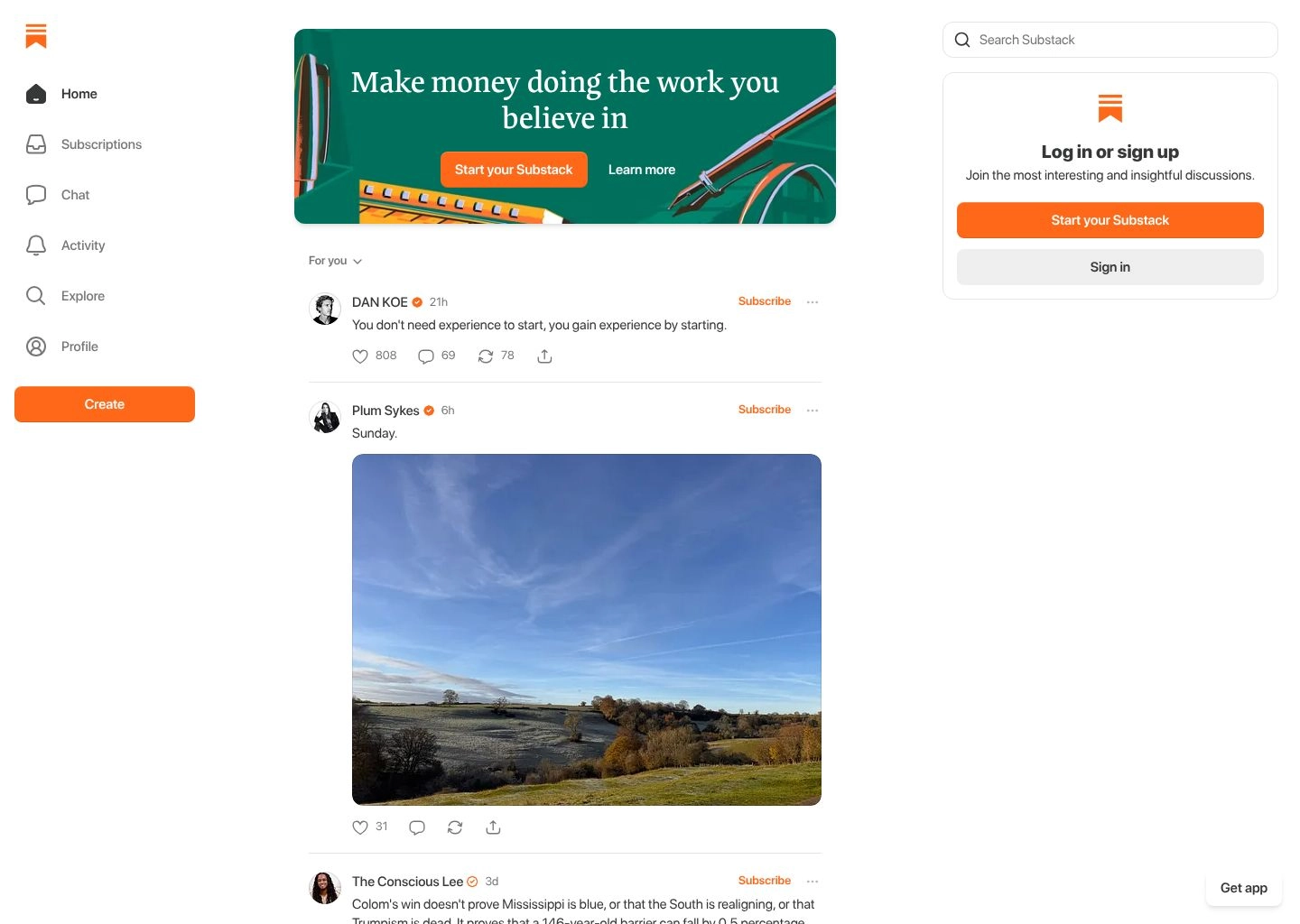
Substack Writer Publishing Studio and Notes Social Network Screenshot Preview
Preview: Substack minimalist writer dashboard featuring frictionless publication settings, paid subscriber metrics, and Substack Notes discovery.

Substack pioneered the creator newsletter revolution, and in 2026, it remains the most culturally influential writing platform on the internet. Substack's greatest competitive moat is not its software feature list, but its massive, interconnected social network. Over 40% of all new free subscriptions and 20%+ of paid subscriptions across the platform are generated organically through Substack's recommendation ecosystem and its Twitter-like short-form feed, Substack Notes.

For solo authors, investigative journalists, cultural essayists, and thought leaders who dread technical configuration, Substack offers the lowest friction to publish online. You don't configure DNS records, buy SSL certificates, or mess with email deliverability warming—Substack manages the entire infrastructure behind a pristine, distraction-free writing canvas. Its AI tools are intentionally subtle: AI transcription for voice memos and podcasts, basic automated post-formatting, and intelligent reading recommendations.

The critical trade-off is Substack's monetization model. Substack is completely free to start and charges zero monthly software fees—even if you have 500,000 subscribers. However, once you turn on paid subscriptions, Substack takes a permanent 10% cut of your gross revenue for life (in addition to Stripe's 2.9% + 30¢ fees). If your newsletter generates $20,000/month, you are paying Substack $2,000/month—making it vastly more expensive than beehiiv ($99/mo) at scale.

Key Strengths Tested in Lab

  • ✓ Unrivaled Organic Discovery (Substack Notes): The only newsletter platform where users organically discover and subscribe to your publication without external ad spend.
  • ✓ Frictionless Stripe Checkout: Millions of readers have saved credit cards on Substack, enabling instant 1-click paid subscriptions.
  • ✓ Zero Monthly Software Costs: Completely free to host unlimited free subscribers, making it zero risk for bootstrapped writers.
  • ✓ High-Converting Native Mobile App: Clean Substack mobile reader app drives high notification engagement and reading retention.

Dealbreaker Trade-Offs

  • ✕ Hefty 10% Permanent Revenue Cut: At $100K+ annual run rates, Substack's 10% toll becomes an immense tax compared to flat-fee platforms.
  • ✕ Zero Automated Marketing Funnels: No visual automation builder, no behavioral tags, and no automated drip sequences for selling courses or services.

Strengths & Advantages

  • Enormous network effect via Substack Notes and peer recommendations
  • 1-click checkout for millions of registered Substack readers
  • Completely free upfront with zero monthly subscription bills
  • Clean, high-authority domain authority and clean mobile reader app
  • Integrated podcast audio hosting and video embeds

Limitations & Trade-Offs

  • 10% lifetime platform tax on all paid subscriber revenue
  • No native advertising marketplace or sponsor matchmaking
  • No visual email marketing automation or CRM segmentation

Production Verdict: The ideal launchpad for independent journalists, opinion writers, and essayists who want to monetize via paid reader subscriptions without managing technical software or marketing funnels.
Kit Logo

3. Kit

#1 For Digital Products & Funnels 9.7 / 10

Advanced Funnel Automations • Commerce & The Creator Network

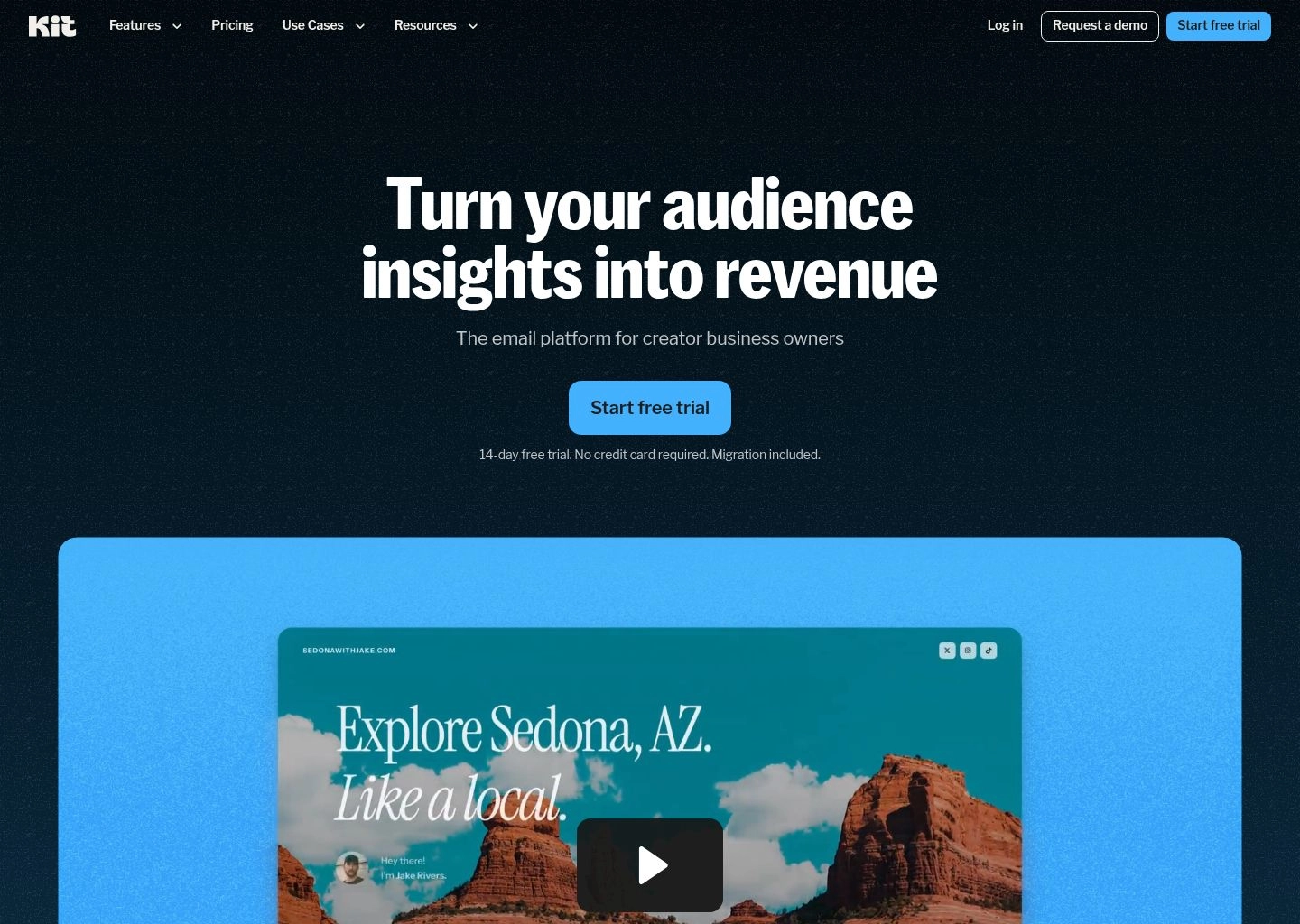
Kit Visual Email Automation Canvas and Subscriber Tagging Dashboard Screenshot Preview
Preview: Kit visual automation canvas displaying conditional branching logic, subscriber tag triggers, and creator commerce conversion tracking.

Rebranded in 2024 from ConvertKit to Kit, this platform remains the supreme authority for digital creators, course instructors, podcasters, and software coaches whose newsletter is the front-end lead generation engine for a broader commercial product ecosystem. If your business model involves selling $500 digital courses, consulting packages, paid workshops, or software subscriptions, Kit is technically unmatched.

Kit’s crown jewel is its Visual Automation Builder. Unlike beehiiv or Substack, which deliver linear broadcasts, Kit allows you to build multi-dimensional email customer journeys. You can automatically branch subscribers based on which links they click inside a weekly newsletter, tag their specific interests (e.g., "Interested in SEO" vs. "Interested in Video"), automatically pause newsletter broadcasts when a user enters a high-urgency sales promotion, and deliver customized lead magnets.

In 2026, Kit has significantly upgraded its native AI capabilities. Its AI email writing assistant helps creators transform raw podcast notes or webinar transcripts into structured newsletters, while its automated subject line generator tests variant curiosity angles against a database of millions of historical creator emails. Furthermore, the Kit Creator Network enables cross-promotional growth with thousands of top-tier creators.

Key Strengths Tested in Lab

  • ✓ Industry-Standard Visual Automations: Build complex, visual conditional branching workflows triggered by link clicks, purchases, and form submissions.
  • ✓ Granular Subscriber Tagging & Segments: Maintain a single, deduplicated subscriber list tagged by behavioral actions without paying for duplicate entries.
  • ✓ Kit Creator Network: Partner with creators like James Clear and Tim Ferriss to exchange subscribers during opt-in flows.
  • ✓ Native Creator Commerce: Sell digital downloads, coaching calls, and paid subscriptions directly inside emails with zero external cart software.

Dealbreaker Trade-Offs

  • ✕ Steep Subscriber Pricing at Scale: At 50,000 subscribers, Kit costs $379/mo on Creator and $599/mo on Pro, making it significantly pricier than beehiiv.
  • ✕ Web Publishing Engine is Basic: Kit's public post archive and website builder lack the dynamic publishing feel and custom CMS capabilities of beehiiv.

Strengths & Advantages

  • World-class visual automation branching and behavioral trigger logic
  • Deduplicated subscriber architecture with granular tags and custom fields
  • Fast-growing Creator Network drives automated referral subscribers
  • Native digital product checkout with tip jars and recurring billing
  • Generous free plan supporting up to 10,000 subscribers for basic sends

Limitations & Trade-Offs

  • High monthly fees as list size scales past 20,000 subscribers
  • No native programmatic ad marketplace (requires manual sponsorships)
  • Blog/web archive builder is rudimentary compared to dedicated CMS engines
Production Verdict: The ultimate platform for business owners, educators, and solopreneurs who rely on email automation sequences to sell digital products, courses, and high-ticket services.
Hoppy Copy Logo

4. Hoppy Copy

#1 AI Copywriter & Spy Tool 9.6 / 10

Autonomous Email Copy Generation • Competitor Newsletter Monitoring

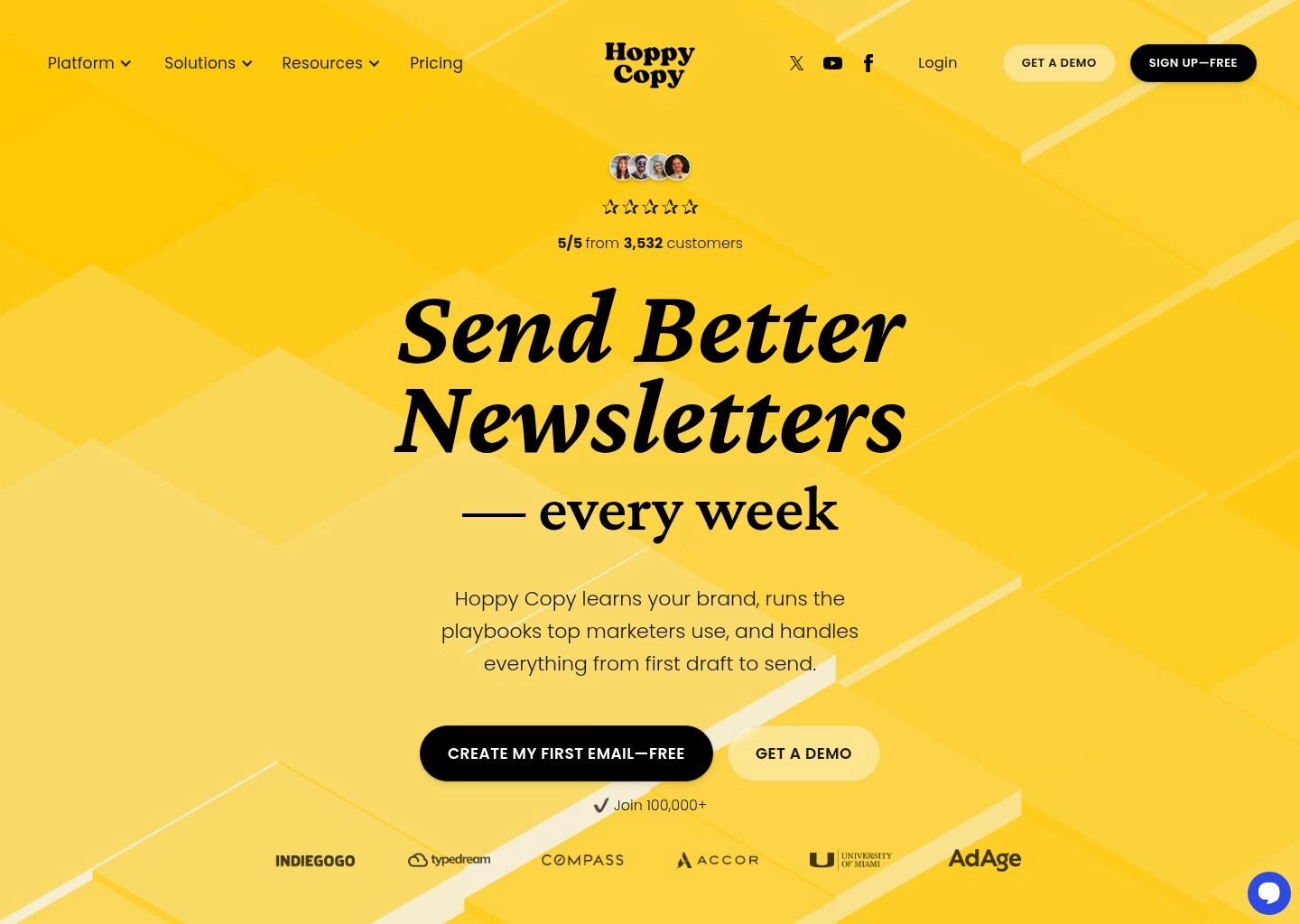
Hoppy Copy AI Email Generator and Competitor Newsletter Monitoring Interface Screenshot Preview
Preview: Hoppy Copy newsletter generation dashboard featuring specialized email copywriting templates, spam trigger linters, and competitor monitoring tools.

While beehiiv and Substack are end-to-end Email Service Providers (ESPs) that store subscriber lists and deliver emails, Hoppy Copy solves the hardest creative problem in publishing: writing brilliant, high-converting newsletter copy consistently every single week. It functions as an AI-powered creative cockpit purpose-built strictly for email marketers and newsletter creators.

In our editorial testing, Hoppy Copy outperformed generic LLM chatbots like ChatGPT and Claude when drafting structured newsletter formats. It features over 50+ specialized email templates—including curated industry link digests, personal founder updates, product teardowns, educational how-to guides, and promotional flash-sale copy. Its Spam Check Engine evaluates drafts in real time, flagging trigger words that alert spam filters, checking reading grade level, and verifying email client rendering safety.

Hoppy Copy’s most potent superpower is its Newsletter Competitor Spy Tool. You can monitor thousands of top brand newsletters (e.g., The Hustle, Morning Brew, Marketing Brew) to see what subject lines they are testing, how frequently they send, what promotions they run, and how their layout is structured—allowing you to benchmark your editorial strategy against the industry's highest earners.

Key Strengths Tested in Lab

  • ✓ 50+ Purpose-Built Email Copy Frameworks: Generate multi-section newsletters, promotional sequences, and subject lines tailored to proven email structures.
  • ✓ Real-Time Spam Word Linter: Highlights trigger phrases that damage sender reputation and flags deliverability risks before export.
  • ✓ Competitor Newsletter Intelligence: Track and analyze the exact newsletter archives, frequencies, and angles used by leading media brands.
  • ✓ One-Click Export to Any ESP: Copy clean, pre-formatted HTML directly into beehiiv, Kit, MailerLite, Brevo, or Klaviyo.

Dealbreaker Trade-Offs

  • ✕ Not an ESP (No Native Sending): Hoppy Copy does not send emails or host subscriber lists. You must pair it with a sending provider like beehiiv or Kit.
  • ✕ Additional Monthly Tool Expense: Adds another $29–$49/month subscription on top of your existing ESP infrastructure costs.

Strengths & Advantages

  • Dedicated email copy models deliver vastly superior formatting to ChatGPT
  • Built-in spam checker prevents deliverability penalties
  • Competitor tracking tool uncovers winning subject lines and designs
  • Generates complete 5-day welcome and launch sequences in minutes
  • Universal compatibility with all major email service providers

Limitations & Trade-Offs

  • Requires manual copying or webhook export to your sending platform
  • Does not track actual subscriber open and click metrics
  • Word count caps on lower-tier pricing plans
Production Verdict: The ideal AI writing and intelligence sidecar for newsletter creators who want to eliminate writer's block, audit spam scores, and emulate the copywriting playbooks of the world's most successful newsletters.
Letterdrop Logo

5. Letterdrop

#1 For B2B Marketing Teams 9.5 / 10

Multi-Channel Curation • SEO Repurposing & Salesforce Attribution

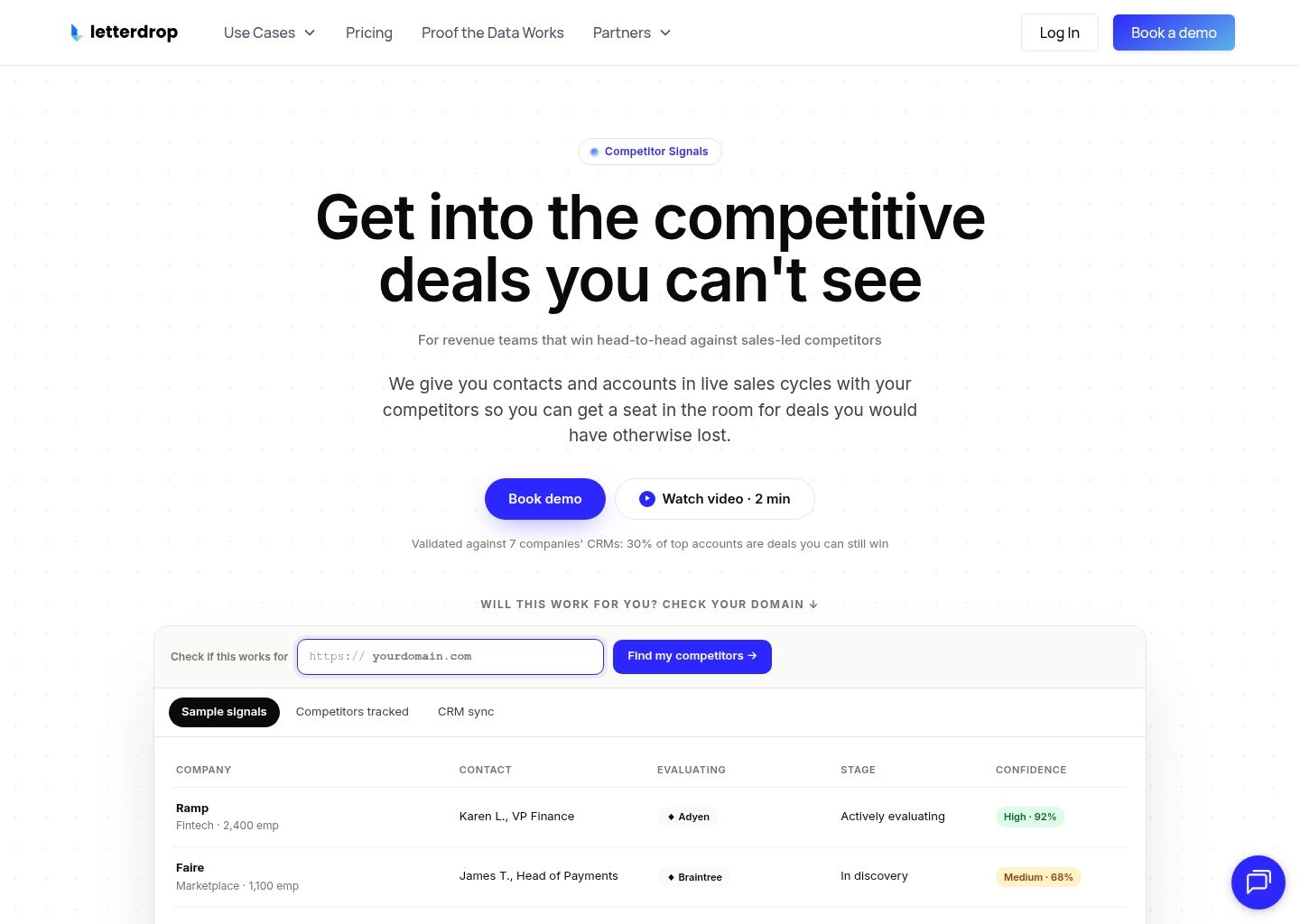
Letterdrop B2B Content Engine and Executive Thought Leadership Workflow Screenshot Preview
Preview: Letterdrop content orchestration dashboard transforming executive voice recordings and sales call insights into multi-channel newsletters and LinkedIn posts.

For B2B SaaS companies, venture capital firms, and enterprise consultancies, email newsletters serve a vastly different purpose than consumer media. They are not designed to sell $5/month Substack subscriptions; they are designed to nurture 6-figure enterprise pipeline deals and establish executive thought leadership. Letterdrop was purpose-built from the ground up for this specific B2B enterprise mandate.

Letterdrop's AI engine is engineered around voice-to-text executive ghostwriting. Instead of asking busy CEOs or VP-level leaders to sit down and write a 1,500-word newsletter, marketing teams record a 15-minute voice note, interview, or Loom walkthrough. Letterdrop’s AI extracts the core technical insights, strips filler, matches the executive's historical tone-of-voice model, and generates a structured company newsletter alongside corresponding LinkedIn executive posts.

Furthermore, Letterdrop integrates tightly with enterprise CRM and marketing automation software like HubSpot, Salesforce, Webflow, and WordPress. It provides account-based marketing (ABM) attribution, alerting sales reps when key decision-makers at target enterprise accounts open and engage with specific industry teardowns inside the newsletter.

Key Strengths Tested in Lab

  • ✓ Executive Ghostwriting AI: Turns unstructured voice memos, sales calls, or podcast interviews into polished technical newsletters.
  • ✓ Omnichannel B2B Syndication: Generates newsletter broadcasts, LinkedIn executive carousels, and SEO blog posts simultaneously.
  • ✓ Enterprise CRM & ABM Tracking: Directly syncs subscriber interaction data with HubSpot and Salesforce to accelerate enterprise sales cycles.
  • ✓ Automated SEO Internal Linking: Analyzes historical company blog posts to insert context-rich internal backlinks automatically into web archives.

Dealbreaker Trade-Offs

  • ✕ Enterprise B2B Pricing: Letterdrop is not priced for bootstrapped creators or hobbyists; plans are tailored for well-funded B2B marketing teams.
  • ✕ No Built-in Consumer Monetization: Does not feature an ad network, affiliate marketplace, or paid newsletter paywall.

Strengths & Advantages

  • Transforms 15-minute founder voice notes into authoritative newsletters
  • Syncs with LinkedIn to turn newsletters into viral executive posts
  • Deep HubSpot and Salesforce integration for B2B pipeline attribution
  • Solves the content bottleneck for busy corporate leadership teams
  • Automated fact-checking and brand voice guardrails

Limitations & Trade-Offs

  • Significantly more expensive than creator-oriented platforms
  • Overkill for simple personal or hobby newsletters
  • Lacks native programmatic ad networks
Production Verdict: The premier choice for B2B SaaS companies, marketing agencies, and executive teams whose primary goal is turning leadership expertise into high-ticket pipeline revenue.
Brevo Logo

6. Brevo

#1 For Scale & High Volume 9.4 / 10

Cost-Effective Enterprise Delivery • Built-In Sales CRM & Multi-Channel

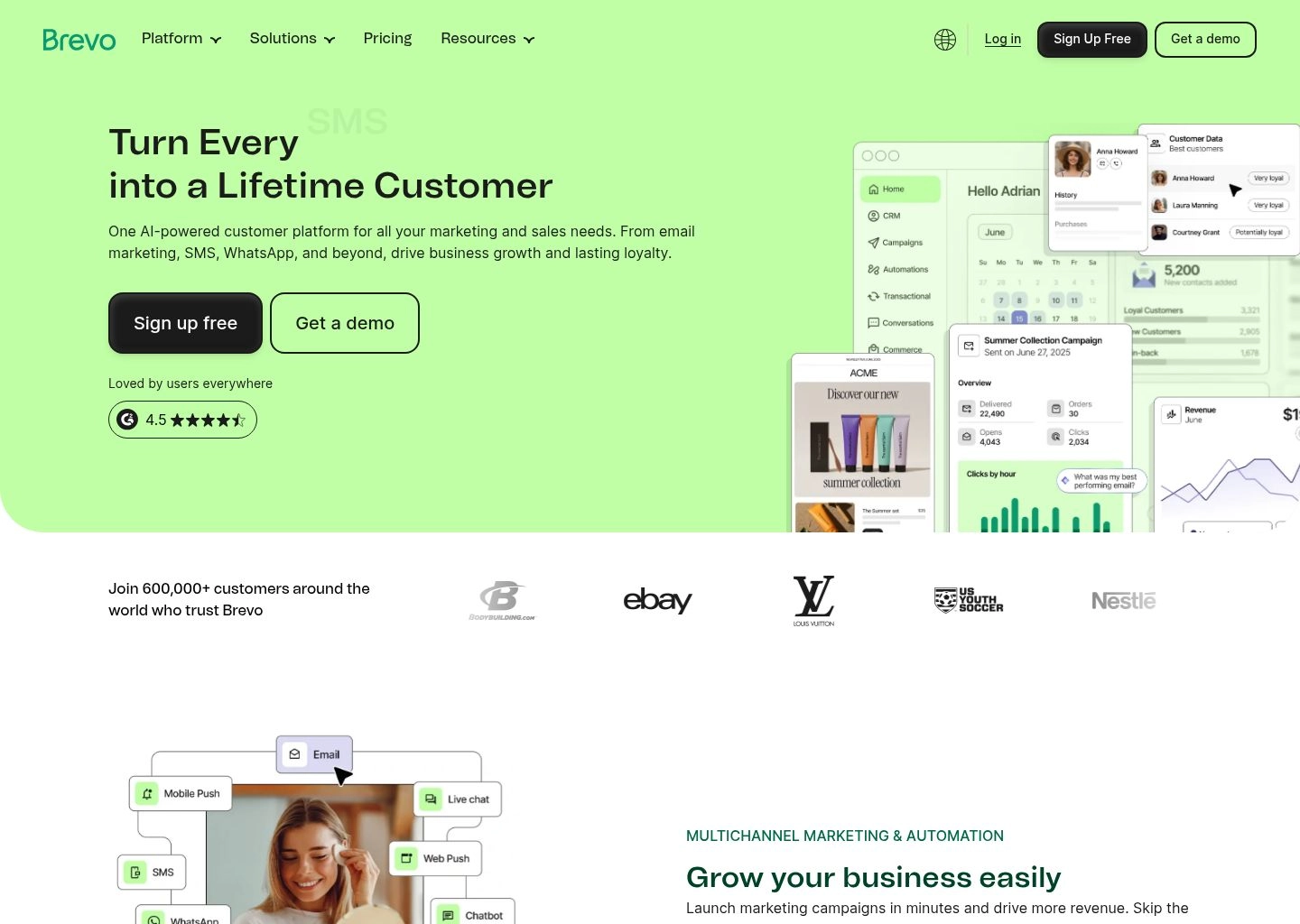
Brevo Multichannel Marketing Dashboard and High-Volume Email Infrastructure Interface Screenshot Preview
Preview: Brevo enterprise marketing suite showing multichannel broadcast scheduling (Email, SMS, WhatsApp), AI subject line optimization, and deliverability monitoring.

Most newsletter platforms bill creators based on the total number of contacts stored in their database. If you have 100,000 subscribers and only send one monthly newsletter, you are penalized with astronomical monthly bills. Brevo flips this pricing paradigm completely on its head by charging strictly for the volume of emails you actually send, allowing you to store unlimited contacts for free.

For media publications, global e-commerce brands, and organizations with large, irregular broadcast schedules, Brevo’s pay-per-send model saves thousands of dollars annually. Furthermore, Brevo is not merely an email tool—it is a unified multichannel communications engine that allows publishers to combine email newsletters with transactional order alerts, SMS notifications, and WhatsApp broadcast channels within a single dashboard.

Brevo's 2026 AI capabilities include an automated AI email layout designer that builds responsive HTML templates from simple text prompts, predictive send-time optimization that delivers emails when individual subscribers are historically most active, and native generative translation across multiple languages.

Key Strengths Tested in Lab

  • ✓ Unlimited Contacts on All Plans: Never pay penalties for maintaining large subscriber lists; pay strictly based on monthly send volume.
  • ✓ Native Multichannel Distribution: Cross-broadcast newsletters and urgent announcements across Email, SMS, and WhatsApp.
  • ✓ Dedicated IP Infrastructure: High-volume enterprise senders can provision dedicated IPs with automated ramp-up deliverability warming.
  • ✓ Strict European GDPR Compliance: Data stored securely in European data centers with industry-leading privacy protections.

Dealbreaker Trade-Offs

  • ✕ No Native Reader Community or Recommendation Network: Brevo does not feature a peer recommendation network like beehiiv or Substack.
  • ✕ Editor Feels Corporate: The email template editor feels closer to traditional enterprise email software than a modern creator writing tool.

Strengths & Advantages

  • Pay-per-send pricing model saves massive budget for large lists
  • Unlimited contact storage across all pricing tiers
  • Integrated SMS, WhatsApp, and transactional SMTP infrastructure
  • Send-time optimization algorithm maximizes global open rates
  • Robust European privacy and enterprise security infrastructure

Limitations & Trade-Offs

  • No built-in creator monetization, ad networks, or paid subscriber paywalls
  • Lacks organic cross-recommendation growth channels
  • Template builder requires more manual formatting for editorial newsletters
Production Verdict: The superior technical solution for high-volume corporate senders, e-commerce stores, and organizations with 100,000+ contacts who want to decouple list size from monthly software costs.
MailerLite Logo

7. MailerLite

#1 For Visual Design & Simplicity 9.3 / 10

Intuitive Drag-and-Drop Builder • Native AI Assistant & Landing Pages

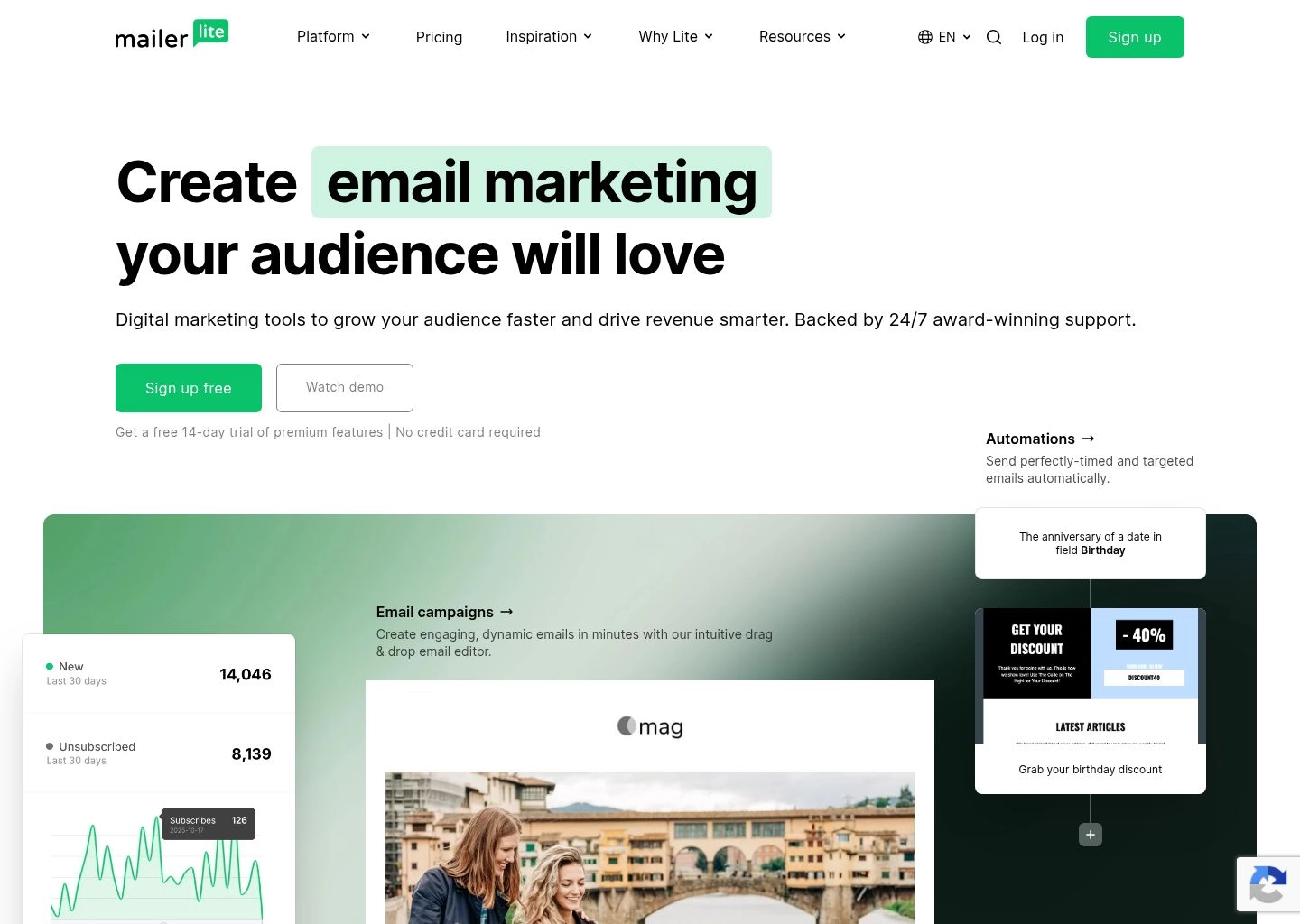
MailerLite Drag and Drop Newsletter Builder and Campaign Creation Interface Screenshot Preview
Preview: MailerLite drag-and-drop editor featuring interactive email blocks (surveys, countdown timers, RSS feeds), AI content generation, and responsive previewing.

If Substack is too rigid in its minimalist design and beehiiv feels too media-centric, MailerLite hits the aesthetic sweet spot. Renowned across the creator community for possessing one of the cleanest, most intuitive drag-and-drop newsletter builders ever built, MailerLite enables writers to create breathtaking, magazine-quality newsletters without writing a single line of CSS.

What sets MailerLite apart in 2026 is its support for interactive email blocks. You can embed interactive surveys, multiple-choice polls, countdown timers, dynamic RSS product carousels, and quiz blocks directly inside the newsletter body. This drives immense subscriber engagement, keeping dwell time high and signaling to mailbox providers like Gmail that your emails are eagerly read and interacted with.

MailerLite's AI assistant is seamlessly integrated into every content block. You can highlight a paragraph to rewrite it for clarity, generate engaging subject lines with predicted open rates, or generate custom newsletter introductions based on a topic outline. Combined with a robust free plan (up to 1,000 subscribers and 12,000 monthly emails) and entry-level paid plans starting at just $10/month, it represents the highest value-for-money visual email platform available.

Key Strengths Tested in Lab

Dealbreaker Trade-Offs

Strengths & Advantages

  • Cleanest visual newsletter editor on the market with zero bloat
  • Rich interactive blocks (polls, surveys, countdowns) boost reader dwell time
  • Extremely budget-friendly pricing structure with generous free tier
  • Built-in landing page builder and website creation tools
  • Clean, responsive rendering across Apple Mail, Gmail, and Outlook

Limitations & Trade-Offs

  • No peer recommendation network for viral organic subscriber growth
  • Manual account verification can be frustrating for brand-new domains
  • Advanced visual branching automations lag behind Kit's enterprise canvas
Production Verdict: The top recommendation for independent designers, lifestyle creators, and small business owners who value beautiful layout design and budget affordability over complex ad networks.
Copy.ai Logo

8. Copy.ai

#1 Autonomous Workflows 9.2 / 10

GTM Content Automation • Automated Web Scraping & Multi-Model Drafting

Copy.ai Autonomous Workflows and Newsletter Research Synthesis Interface Screenshot Preview
Preview: Copy.ai automated workflow canvas aggregating live web sources, performing structured summaries, and synthesizing industry digest drafts.

For curation-heavy newsletters that synthesize weekly news across AI, finance, crypto, or biotechnology, researching and summarizing 30+ external links every week is an exhausting 15-hour manual slog. Copy.ai has evolved far beyond a basic text copywriter into an enterprise autonomous workflow platform that can completely automate the research and curation phase of newsletter production.

Using Copy.ai’s Workflows engine, publishers can build automated pipelines: every Monday morning, Copy.ai scans a list of 20 target RSS feeds, YouTube channels, or Reddit threads, extracts the top trending announcements, scrapes full article text, verifies key factual claims across multiple models, and generates a structured first-draft newsletter digest aligned with your brand voice guidelines.

Like Hoppy Copy, Copy.ai does not host subscriber lists or send emails natively. Instead, it pairs with enterprise webhooks or tools like Zapier and Make to push formatted markdown or HTML directly into your draft queue inside beehiiv, Substack, or Kit. For media teams producing multiple high-frequency curated publications, it cuts research time by over 80%.

Key Strengths Tested in Lab

Dealbreaker Trade-Offs

Strengths & Advantages

  • Automates 80%+ of manual web link curation and article summarization
  • Utilizes multi-model orchestration (Claude + OpenAI) for maximum analytical depth
  • Generates full multichannel promotional assets from a single newsletter draft
  • Enterprise-grade custom brand voice and knowledge base integration
  • API and webhook connectivity with all major automation tools

Limitations & Trade-Offs

  • Must be paired with a dedicated sending platform
  • Pro plans cost $36–$49/month, adding to tech stack overhead
  • Requires manual human fact-checking to catch nuanced technical hallucinations
Production Verdict: The ultimate AI research and curation co-pilot for news-heavy digests, media curation roundups, and editorial teams seeking to automate 10+ hours of weekly web reading.

Architectural Blueprint: The 2026 AI-Native Newsletter Pipeline

The most successful digital publications in 2026 do not view newsletter creation as a single, isolated writing session. Instead, they operate a continuous four-stage pipeline that combines AI research, automated formatting, deliverability pre-flight gates, and multi-channel monetization:

1

Curation & Ingestion

RSS feeds, industry newsletters, and social bookmarks aggregated via Copy.ai into structured draft insights.

2

Voice & Hook Synthesis

Specialized copywriting models in Hoppy Copy generate 5 high-converting subject line variations and narrative hooks.

3

Pre-Flight Spam Gate

Real-time spam linting, SPF/DKIM verification, and link safety audits executed before dispatching to bulk mailboxes.

4

Monetization Dispatch

Automated ad insertion, Boosts referral cross-promotion, and paid subscriber gating executed natively inside beehiiv.

Creator Economics: Comparing the 3 Core Newsletter Revenue Models

Understanding which platform fits your business requires analyzing how you intend to generate revenue. The table below illustrates the projected annual economics across the three predominant newsletter monetization architectures at 25,000 active subscribers:

Monetization Model Optimal Platform Benchmark Metrics (25K Subs) Gross Annual Revenue Platform Cut / Fees Net Annual Creator Take
Programmatic Ads & Sponsorships beehiiv 2 sends/wk • 45% Open Rate • $30 CPM $70,200 $1,188/yr (Scale Plan) $69,012 (98.3%)
Paid Subscriber Membership Substack 3% Conversion (750 Paid) • $8/month $72,000 $7,200/yr (10% Substack Toll) $64,800 (90.0%)
Digital Products & Course Funnels Kit (ConvertKit) 1.5% Buyer Conversion • $250 Course $93,750 $2,748/yr (Creator Plan) $91,002 (97.1%)

The 2026 Deliverability Playbook: Surviving Google & Yahoo's Strict Inboxes

The single most catastrophic mistake in email publishing is assuming that hitting "Send" means your email actually reaches the subscriber. Following the strict authentication enforcement rolled out by Google and Yahoo, bulk senders must adhere to zero-tolerance technical standards:

1. Mandatory Custom Domain Authentication (SPF, DKIM & DMARC)

Sending newsletters from a generic sender domain (e.g. @substack.com or @gmail.com) will trigger automatic spam placement or outright delivery rejection. You must authenticate your custom root domain with 2048-bit DKIM keys and publish an explicit DMARC policy (v=DMARC1; p=none; sp=none; rua=mailto:...) before scaling past 5,000 daily sends.

2. The 0.1% Spam Complaint Threshold

Google Postmaster Tools strictly flags any domain whose user-reported spam complaint rate exceeds 0.1% (1 spam complaint per 1,000 delivered emails). Exceeding 0.3% results in immediate domain-level throttling across all Gmail inboxes. Every platform on our list supports mandatory 1-click List-Unsubscribe headers to protect your sender domain.

3. Aggressive 90-Day Unengaged List Pruning

Hoarding 20,000 inactive subscribers who haven't opened an email in six months destroys your sender reputation. Mailbox algorithms actively measure domain engagement ratios. Running automated re-engagement workflows and purging unengaged contacts every 90 days routinely lifts overall open rates by 10% to 15%.

Frequently Asked Questions (FAQ)

What is the best overall AI newsletter platform in 2026?

beehiiv is the #1 overall AI newsletter platform in 2026. It combines an ultra-fast block editor with native AI writing tools, an integrated programmatic ad network paying $20–$45 CPMs, the Boosts referral growth engine, custom web publishing, and a strict 0% take-rate on paid subscriber revenue.

Is Substack really 100% free to use?

Yes, Substack is completely free to launch and host unlimited free subscribers with zero monthly subscription fees. However, once you activate paid memberships, Substack charges a permanent 10% platform fee on all gross subscription revenue, plus standard credit card processing fees (2.9% + 30¢ via Stripe).

When should I choose Kit (ConvertKit) over beehiiv?

Choose Kit if your primary business model is selling high-ticket digital products, workshops, or online courses through complex, visual branching automations. Kit’s conditional behavioral tagging and visual automation canvas are significantly more sophisticated than beehiiv’s broadcast-oriented workflows.

Can AI write an entire newsletter without human editing?

No. While specialized AI tools like Hoppy Copy and Copy.ai can automate 80% of link curation, draft generation, and spam linting, high-ranking and engaging newsletters require a human editorial voice. AI excels at structuring data and eliminating writer's block, but human personal anecdotes and industry judgment drive 40%+ open rates.

How many subscribers do I need before I can monetize?

With modern programmatic ad networks like beehiiv Ad Network, creators can begin displaying sponsor ads and earning revenue with as few as 1,000 active subscribers. For paid subscription models (Substack/Kit), creators with highly targeted B2B niches often monetize within their first 500 loyal readers.

Final Recommendation: Which AI Newsletter Tool Should You Choose?

Every platform benchmarked in our lab excels in a distinct operational environment. Your choice should be determined by your primary revenue model and technical requirements:

1.
Choose beehiiv if you want to build a modern, high-growth digital media business monetized through native programmatic ads, sponsor partnerships, and referral networks with zero platform fees on paid tiers.
2.
Choose Substack if you are an independent journalist, author, or opinion essayist who wants zero technical setup, a clean mobile reading app, and organic subscriber growth driven by Substack Notes.
3.
Choose Kit if you sell digital products, courses, or consulting, and need powerful visual branching automations to trigger targeted sales sequences based on user behavior.
4.
Choose Hoppy Copy if you want a dedicated AI email copywriter and competitor newsletter spy tool to pair with your existing sending platform.
5.
Choose Brevo if you have 50,000+ contacts and want an affordable pay-per-send model that decouples subscriber count from monthly software bills.

Categories

AI MarketingEmail ManagementContent CreationAI WritingAI Tools

Related Tags

#AI marketing#ai email automation software#ai email comparison#AI content creation tools#AI email subject generator
Hamza Khaliq

AUTHORED BY

Hamza Khaliq

Student, Author, Learner, Developer and Researcher

Passionate about AI technology and its applications. dedicated to bringing you the latest insights and trends from the world of artificial intelligence.

You might also like

Best Wearable AI Earbuds for Field Work? Plaud One Review
AI Voice & AudioMeeting ManagementAI Productivity Tools
Updated Nov 16, 2026•6 min read

Best Wearable AI Earbuds for Field Work? Plaud One Review

Hands-on Plaud One review: How Plaud's dual-capture AI earbuds and recording case perform across field site visits, client calls, and automated report drafting.

Klap AI Review in 2026: Tested, Benchmarked & Compared to Opus Clip
AI Video GenerationSoftware ComparisonContent Creation
Updated Nov 16, 2026

Klap AI Review in 2026: Tested, Benchmarked & Compared to Opus Clip

Hands-on 2026 benchmark of Klap AI: How its content-aware reframing, word-level synchronized captions, and quality-first curation stack up against Opus Clip.

8 Best AI Ad Copy Generators in 2026 (AdCreative.ai vs Jasper vs Copy.ai)
AI MarketingAI WritingSoftware Comparison
Updated Nov 16, 2026

8 Best AI Ad Copy Generators in 2026 (AdCreative.ai vs Jasper vs Copy.ai)

We tested 8 top AI ad copy generators on real Meta, Google PMax, and TikTok campaigns. Compare AdCreative.ai, Jasper, Copy.ai, Anyword, Smartly, and Pencil for predictive CTR and ROAS.

7 Best AI Grant Writing Tools & RFP Proposal Software in 2026
AI WritingAI Business & Finance ToolsEnterprise AI
Updated Nov 15, 2026

7 Best AI Grant Writing Tools & RFP Proposal Software in 2026

Discover the 7 best AI grant writing tools and enterprise RFP proposal software in 2026. Compare Grantable, AutoGenAI, Loopio, and Responsive for win rates, RAG context, and pricing.

Back to all articles