

Zoo Code
Community-maintained, open-source AI coding agent that continues Roo Code, for VS Code and JetBrains
Gallery
6 items
About Zoo Code
Zoo Code is a continuation of Roo Code, so the question is whether the fork is a safe place to land. From the official site, the GitHub repo and the Roo Code shutdown notice, the picture is that Roo Code's extension was shut down on May 15, 2026 and its repo is now a read-only archive that points users to ZooCode and Cline. Zoo Code keeps the same modes, settings structure and Apache 2.0 license, and settings can be imported, so the move is low friction. I have not tested it hands-on; this review reflects documentation and repository activity, including a recent v3.72.0 release. The strengths are continuity and openness: the Architect, Code, Ask and Debug modes, diff review before edits, MCP support, semantic codebase search and bring-your-own-key access to many providers. The risks are the usual ones for a young community fork. The repo has about 1.4k stars and a large backlog of open issues and pull requests, JetBrains support is in beta, and there is no funded company behind it, so long-term maintenance depends on volunteers. Zoo Gateway and Team pricing were not clearly published. If you already use Roo Code, Zoo Code is the natural next step, and the cost of trying it is close to zero. If you are choosing an open-source agent from scratch, compare it against Cline and Kilo Code, which have larger communities and, in Cline's case, a funded team.
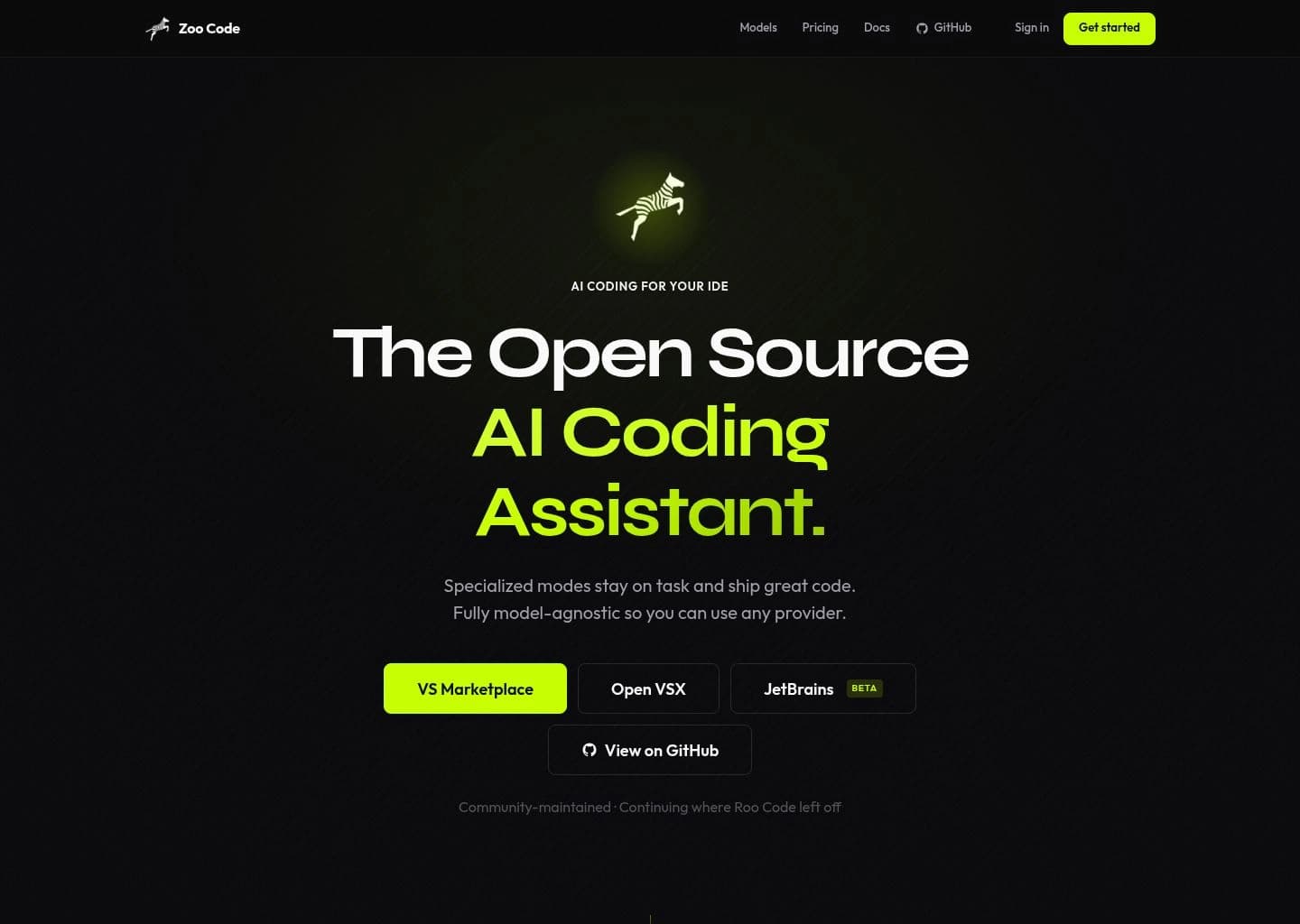
Zoo Code is a community-maintained, open-source AI coding agent for your IDE. It continues the Roo Code project after the Roo team archived it in 2026 to focus on its Roomote product, and it keeps the same features, settings structure and Apache 2.0 license, so Roo Code settings can be exported and imported.
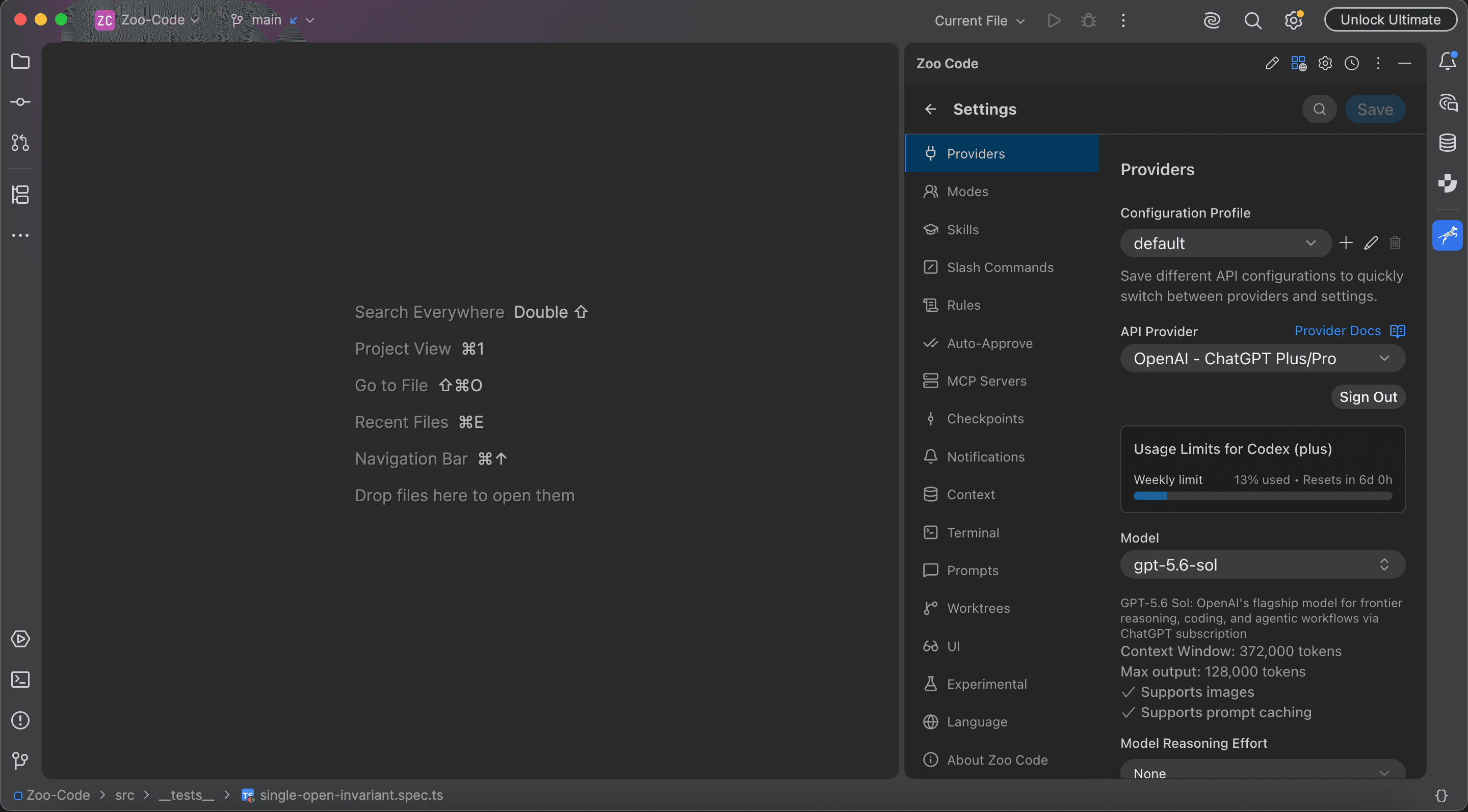
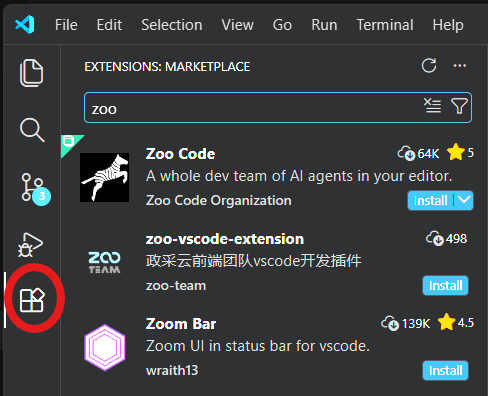
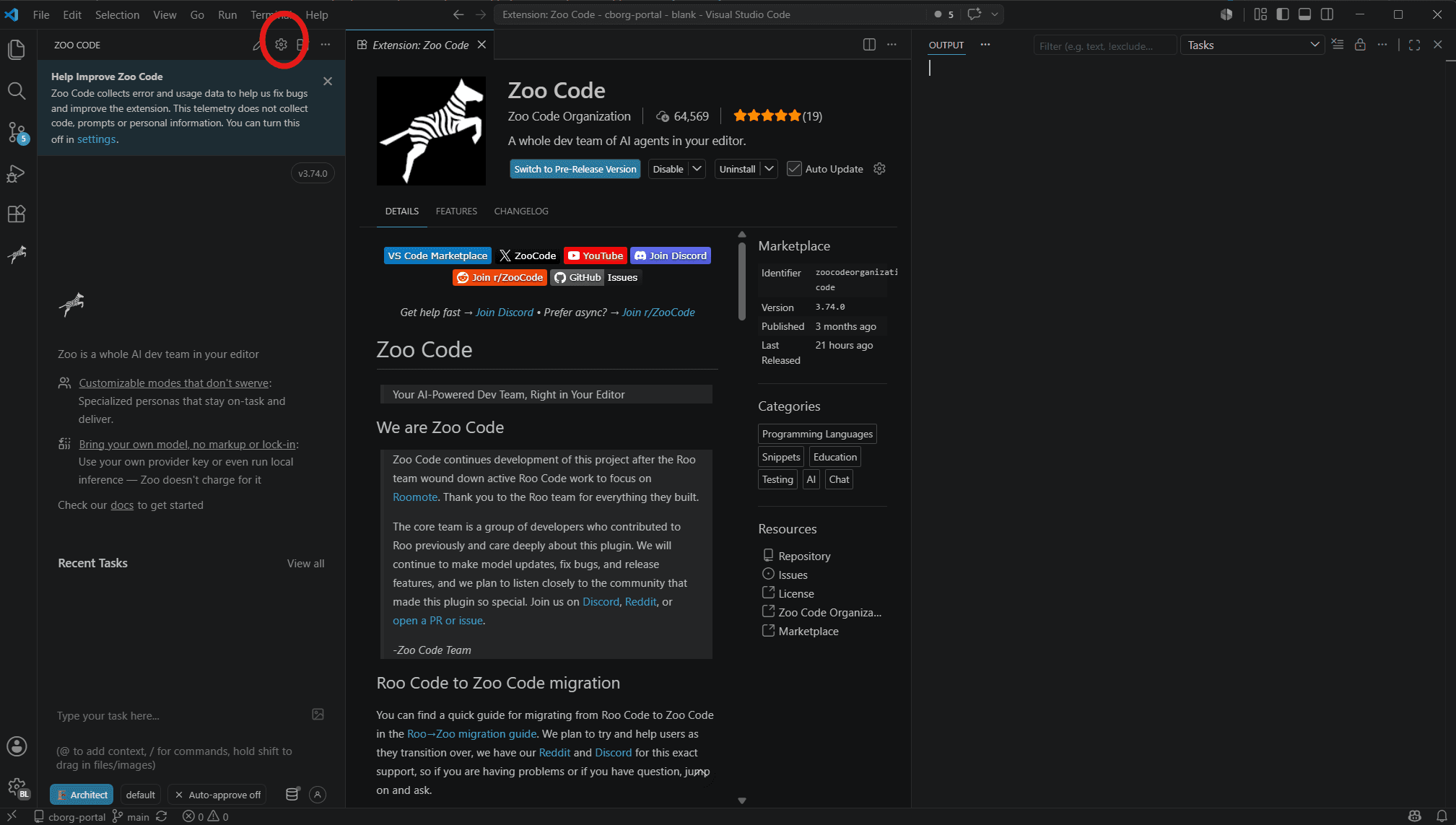
You work with it through specialized modes such as Architect, Code, Ask and Debug, plus custom modes. It can generate code from natural-language specs, edit multiple files with diff-based review before changes apply, refactor and debug existing code, search large repositories semantically, and connect to external tools through the Model Context Protocol. It is bring-your-own-key and works with many providers, and the latest release (v3.72.0) added providers such as Moonshot and Kimi Code. It is available on the VS Code Marketplace and Open VSX, with a JetBrains plugin in beta.
It suits developers who liked Roo Code and want an actively maintained successor, and anyone who wants an open-source agent with explicit modes and full control over model providers and costs. As a young community fork, it has a much smaller user base than the project it came from.
Key Features
- Specialized modes: Architect, Code, Ask, Debug and custom modes
- Diff-based review before changes are applied
- Multi-file editing and refactoring from natural-language specs
- Bring-your-own-key support for any provider
- Model Context Protocol (MCP) tool integration
- Semantic codebase search and indexing for large repositories
- Import and export of Roo Code settings
- Available on VS Code Marketplace, Open VSX and JetBrains (beta)
Pros
- Free and open source under Apache 2.0
- Familiar Roo Code workflow with settings import and export
- Actively maintained, with frequent releases
- Works with many model providers using your own keys
- Mode system keeps planning, coding and debugging separate
Cons
- Young community fork with a much smaller user base than Roo Code had
- About 1.4k GitHub stars and a large backlog of open issues and pull requests
- JetBrains support is still in beta
- Gateway and Team pricing are not clearly published
- Depends on community maintainers rather than a funded company
Pricing
The Zoo Code extension is free and open source under Apache 2.0. If you bring your own API keys, you pay only your model provider at its own rates, with no markup from Zoo Code.
Optional Zoo Gateway credits give you one account for multiple models. Cloud Agents also draw from those credits, and the site says at least $0.50 is required. The site did not list fixed per-credit prices when I checked, so confirm the rates on zoocode.dev.
A Team plan is available for companies that want a shared wallet; pricing was not published on the page I reviewed.
Claim Verified Creator Badge
Are you the founder of Zoo Code? Display this listing's verified badge on your website to show your customers that your product has been vetted and listed on AI Central Resources.
<a href="https://www.aicentralresources.com/tool/zoo-code" target="_blank" rel="noopener">
  <img src="https://www.aicentralresources.com/badges/featured-badge-dark.svg" alt="Featured on AICentralResources" width="200" height="54" style="border: none;" />
</a>
* Place this HTML snippet in your website's footer, landing page, or press section. This creates a search-friendly backlink directly to your verification page.
Connect with Zoo Code
Frequently Asked Questions
Zoo Code is a community-maintained, open-source AI coding agent for code editors that continues the Roo Code project after the Roo team archived it.
No. It is a community fork built on Roo Code's foundation. It keeps the same features, settings structure and license, but it is run by a separate community organization.
The extension is free under Apache 2.0. With your own API keys you pay only your model provider. Optional Zoo Gateway credits are sold separately.
It is available on the VS Code Marketplace and Open VSX, with a JetBrains plugin in beta.
Cline, Kilo Code and Aider are the closest open-source alternatives.
Similar AI Tools to Zoo Code
View all alternatives of Zoo Code



OpenHands
The open platform for cloud coding agents — autonomous, transparent, and in your control


Goose
Block's open-source AI agent — any model, any tool, runs locally on your machine