

Identify plants from photos and contribute observations to open biodiversity science
Gallery
6 items
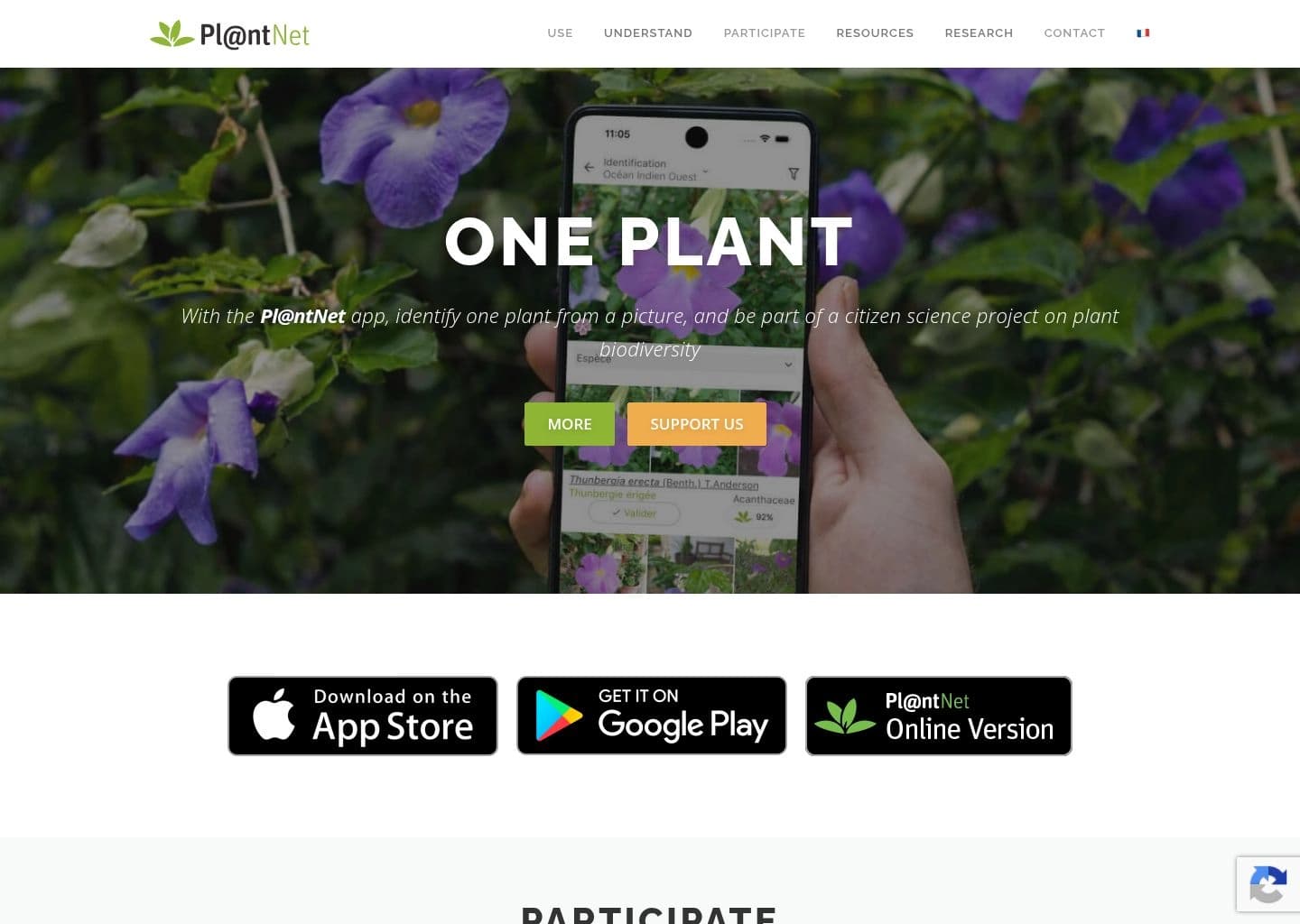
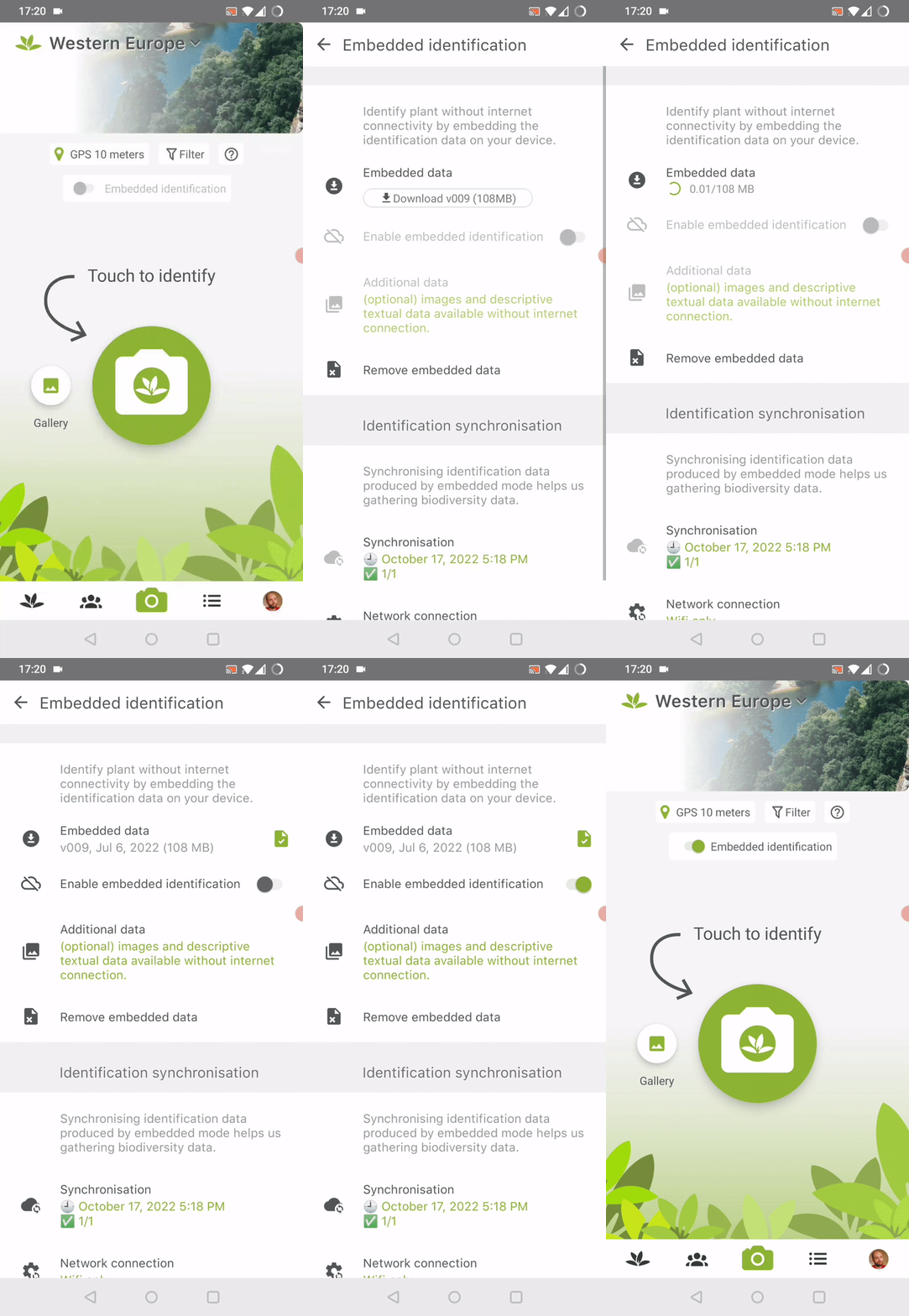
About Pl@ntNet
This is a research-based editorial assessment, not a controlled species-identification benchmark. Pl@ntNet's design is rooted in collaborative botanical observation: users submit photos of plant parts, receive ranked species suggestions, compare them with reference images, and can validate or correct identifications. The project describes itself as a scientific citizen-science platform supported by several research organizations, which gives its data contribution model a different emphasis from consumer plant-care apps. Its main advantage is the connection between identification and shared biodiversity data. Rather than focusing on household reminders or subscription-based plant care, Pl@ntNet encourages users to contribute observations that can be reviewed and used to improve the platform. The trade-off is that photo quality, regional coverage, and the user's ability to distinguish similar species still matter; a ranked suggestion is not an expert determination. Some specialist survey features are also limited to invited or beta participants. I would recommend Pl@ntNet to students, field naturalists, and users who value free access and scientific participation. For users who mainly want houseplant care reminders, light meters, or disease treatment suggestions, a consumer care app such as PictureThis is a closer fit.
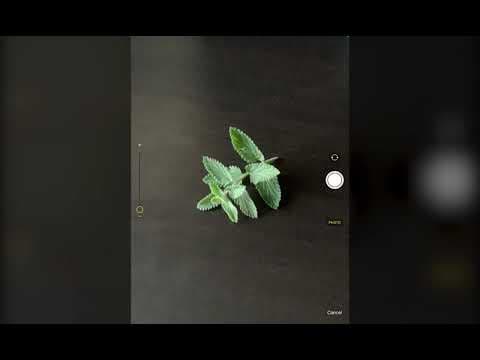
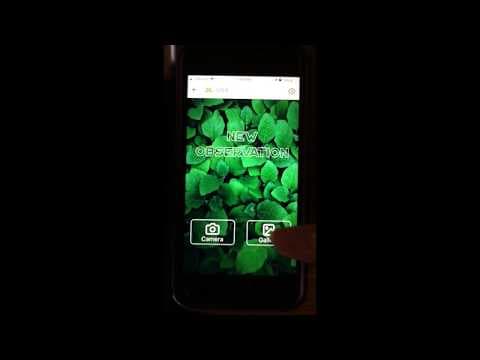
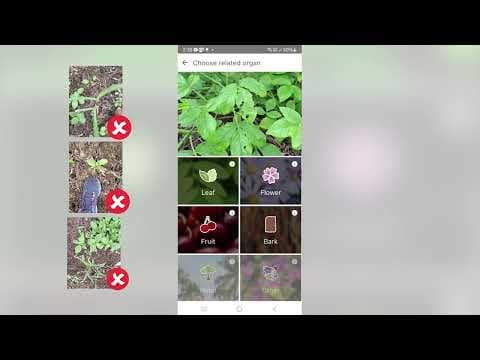
Pl@ntNet is a plant-identification platform developed through a scientific collaboration involving research organizations including CIRAD, INRAE, Inria, and IRD. Its mobile and web tools let users photograph a plant and receive a ranked list of possible species, using images of different plant parts such as leaves, flowers, fruits, and bark.
The platform is built around cooperative learning and citizen science. Users can compare suggested species with reference images, validate or correct observations, explore regional floras, join groups, and contribute observations that may be reviewed and incorporated into its shared biodiversity resources. Pl@ntNet also offers an API and specialized tools for botanical survey workflows, with some survey functions available through controlled access or beta programs.
Pl@ntNet is best suited to students, botanists, gardeners, field researchers, and nature enthusiasts who want plant identification connected to a scientific community. It emphasizes collaborative data quality rather than extensive household plant-care features, so users looking for watering schedules or disease treatment advice may prefer a broader plant-care app.
Key Features
- Plant identification from one or more photos
- Ranked species suggestions based on submitted plant images
- Recognition workflows for leaves, flowers, fruits, and bark
- Regional flora exploration and plant reference information
- Community validation and correction of proposed identifications
- Citizen-science observations that can contribute to biodiversity datasets
- Groups for sharing observations by topic or geographic area
- Developer API and specialized botanical survey workflows
Pros
- Free public plant identification on web and mobile
- Scientific and citizen-science foundations with community review
- Supports multiple plant parts and regional flora exploration
- Users can help improve shared data by validating and correcting observations
- Useful for field learning and biodiversity documentation
Cons
- Identification quality depends on clear images, plant condition, and available regional coverage
- It is focused on plant identification rather than comprehensive home-gardening care
- Community validation and research workflows may take time and are not instant expert confirmation
- Some specialized survey features are restricted or available only through beta access
Pricing & Plans
The Pl@ntNet mobile and web plant-identification service is free to use, and no consumer subscription or credit-card requirement is advertised for ordinary identification and community participation.
The project also provides developer and research services, including an identification API and specialized survey tools. Access conditions can differ by service and project; the public plant-identification app should not be confused with invitation-only or beta survey features.
Claim Verified Creator Badge
Are you the founder of Pl@ntNet? Display this listing's verified badge on your website to show your customers that your product has been vetted and listed on AI Central Resources.
<a href="https://www.aicentralresources.com/tool/plntnet" target="_blank" rel="noopener">
  <img src="https://www.aicentralresources.com/badges/featured-badge-dark.svg" alt="Featured on AICentralResources" width="200" height="54" style="border: none;" />
</a>
* Place this HTML snippet in your website's footer, landing page, or press section. This creates a search-friendly backlink directly to your verification page.
Frequently Asked Questions
Pl@ntNet identifies plants from photos and supports biodiversity research through community-contributed and validated observations.
Yes. Its public mobile and web plant-identification service is free to use, with no consumer subscription required for ordinary identification.
Users can submit photos of leaves, flowers, fruits, bark, and other visible plant features to receive ranked species suggestions.
Yes. Pl@ntNet describes itself as a citizen-science platform built through scientific collaboration and community contributions to biodiversity knowledge.
Pl@ntNet is primarily designed for plant species identification, not as a comprehensive disease diagnosis and treatment service.
Similar AI Tools to Pl@ntNet
View all alternatives of Pl@ntNet
PictureThis
Identify plants from photos and get practical care and disease guidance

Seek by iNaturalist
Identify wild plants and animals in real time with a privacy-focused nature app