

Suki AI
Ambient clinical AI that turns patient visits into notes, coding, and voice-driven workflows
Gallery
8 items



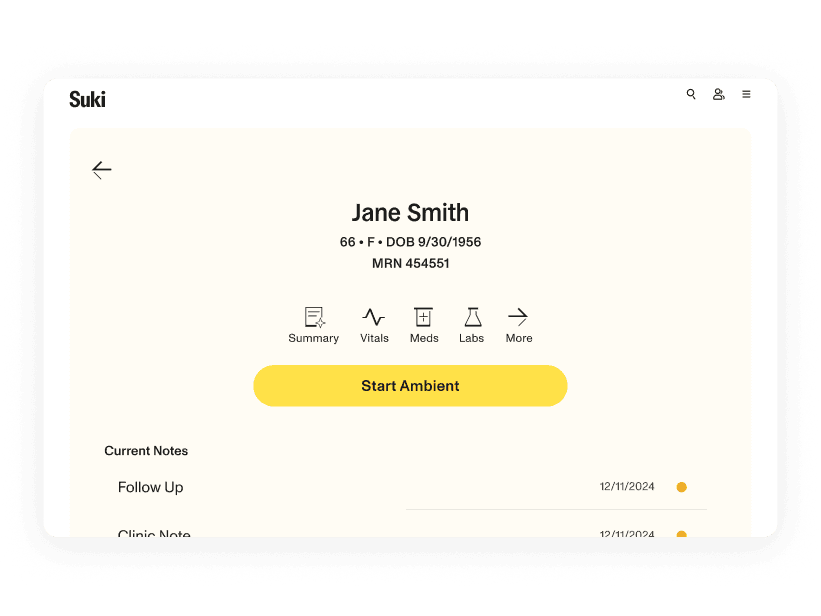
About Suki AI
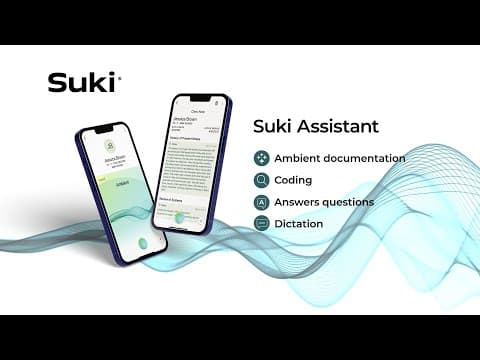
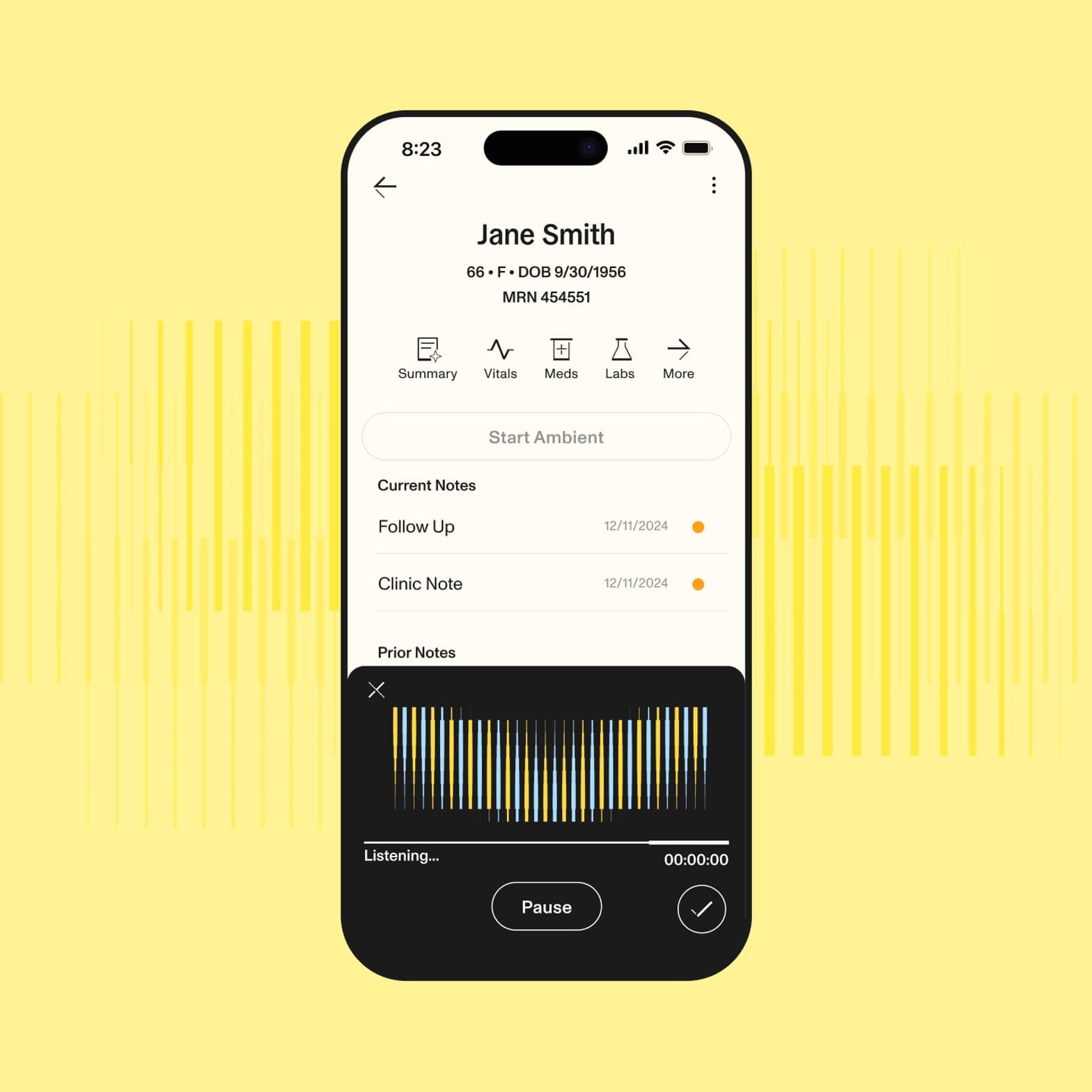
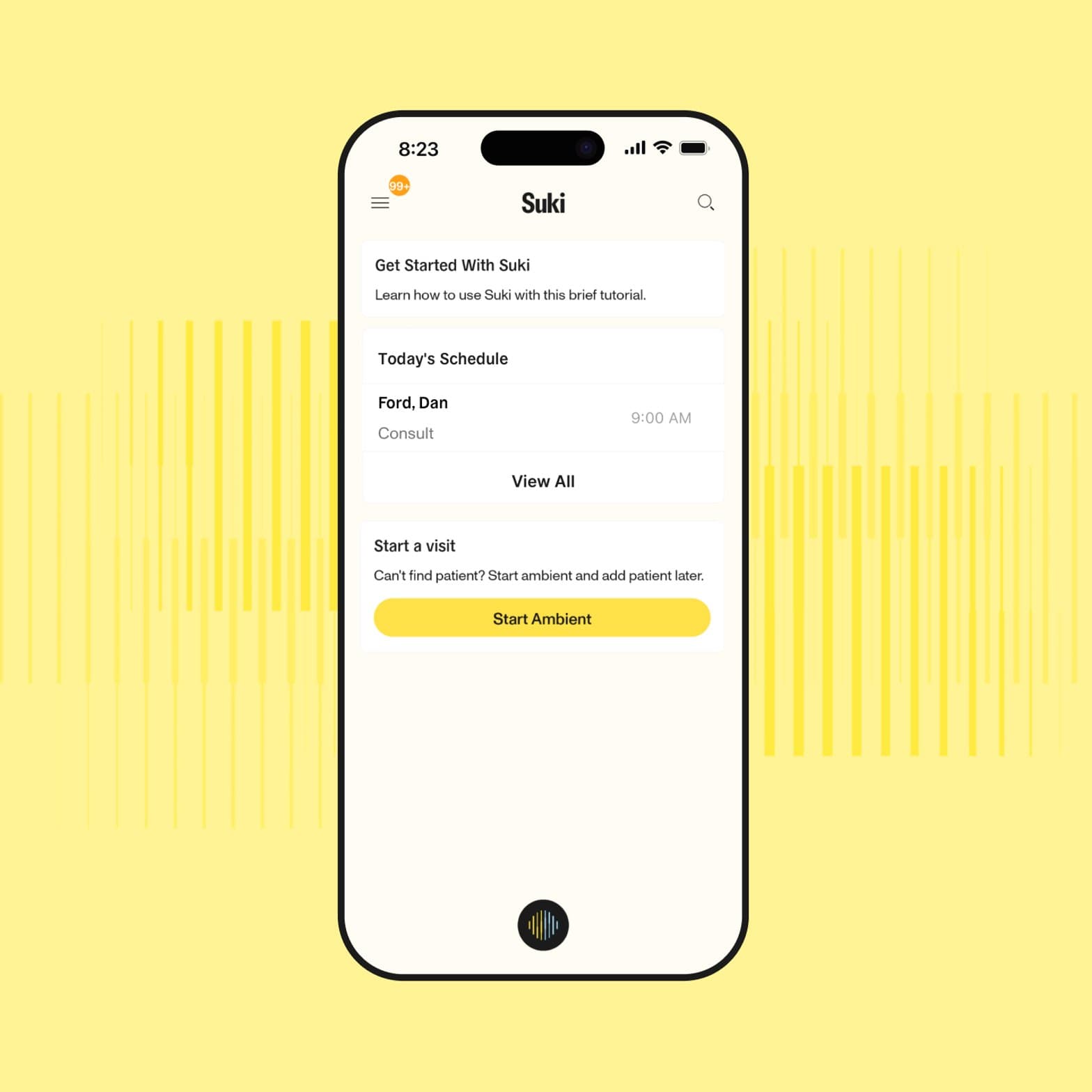
Suki is an ambient clinical intelligence platform that listens to patient-clinician conversations and turns them into structured notes, codes, orders, and answers, positioning itself as a voice-driven AI assistant rather than a note-only scribe. Clinicians can talk naturally through an encounter and also issue direct voice commands, asking Suki to pull up a patient's last labs or stage a specific order, reflecting the company's long-standing "AI is the new UI" approach to reducing clicks in the EHR.
The platform spans three pillars: Ambient Documentation, which captures the visit and drafts a specialty-specific note with problem-based charting, patient instructions, and voice-enabled editing; Assisted Revenue Cycle, which generates ICD-10, HCC, CPT, and E/M codes from the encounter to improve coding accuracy and reimbursement; and Clinical Reasoning, which answers clinician questions and produces pre-visit patient summaries directly from the chart. Suki offers two ways in: Suki Compose, a documentation-only app that works with any EHR, and Suki Assistant, the full voice-driven experience with deep, bi-directional integration into Epic, Oracle Health, athenahealth, and MEDITECH. Suki for Partners extends the same technology to health-tech companies through APIs and SDKs.
Suki reports it is used by more than 400 health systems and healthtech partners across 100+ specialties and 80 languages, with clinicians completing notes roughly 41% faster on average and generating meaningful incremental monthly revenue per user. Independent KLAS research has validated Suki's clinical and financial ROI, and the company has expanded from ambulatory care into inpatient, emergency, telehealth, and home health settings, alongside a Nursing Consortium aimed at reducing administrative burden for nurses.
Founded in 2017 by Punit Soni, a former Google and Flipkart product executive, Suki is headquartered in Redwood City, California, and has raised roughly $168 million, including a $70 million Series D in 2024 led by Hedosophia that valued the company at approximately $500 million. Its leadership team includes CTO Joe Chang and Chief Medical Officer Kevin Wang, MD, and its investors include Venrock, First Round Capital, March Capital, Flare Capital Partners, and Zoom Ventures.
Key Features
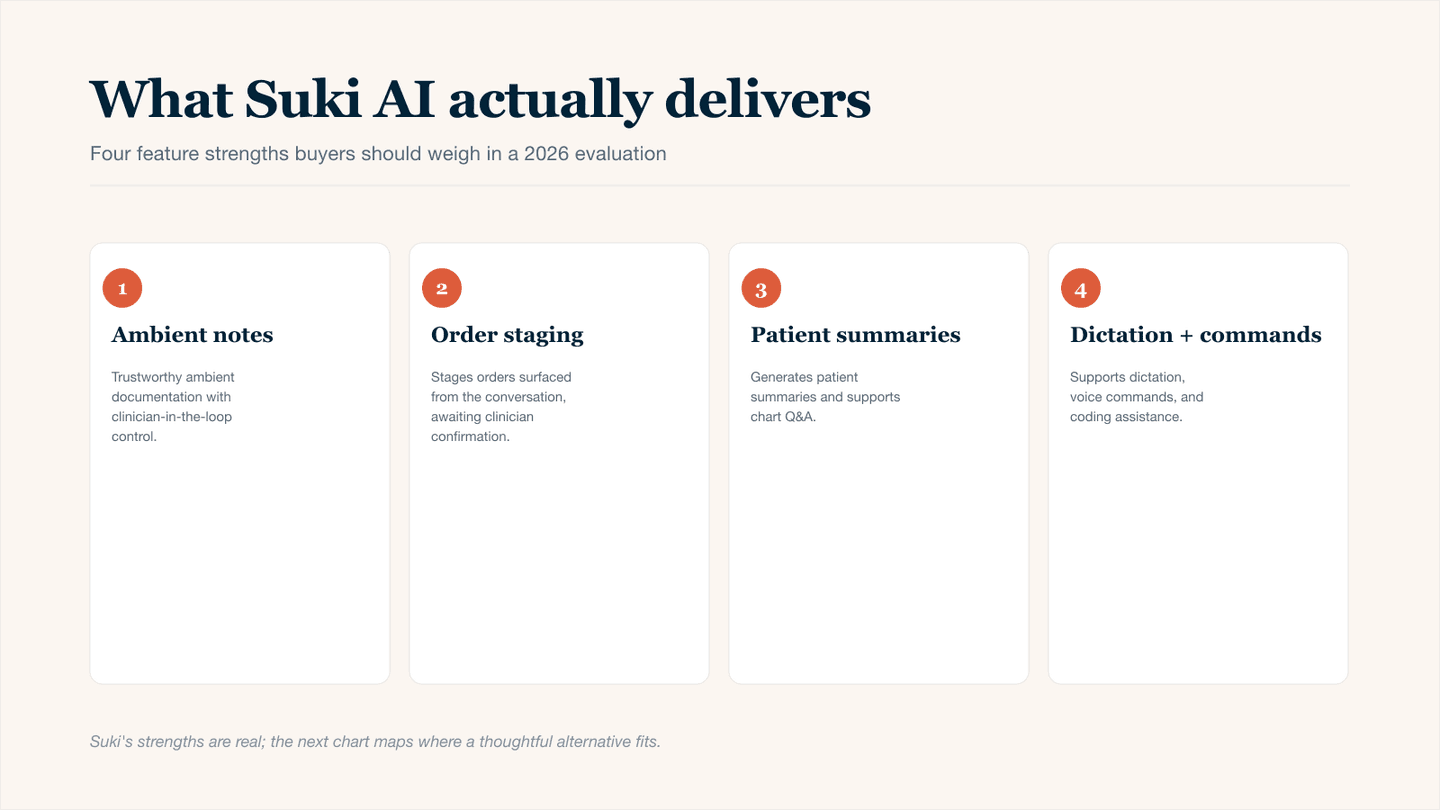
- Ambient documentation that listens to the encounter and drafts a complete, specialty-specific clinical note
- Voice commands that let clinicians control the EHR hands-free, from staging orders to pulling up chart data
- Assisted Revenue Cycle coding that generates ICD-10, HCC, CPT, and E/M codes directly from the encounter
- Clinical Reasoning tools including pre-visit patient summaries and in-workflow Q&A over the chart
- Deep, bi-directional real-time integration with Epic, Oracle Health, athenahealth, and MEDITECH
- Suki Compose and Suki Assistant product tiers, plus Suki for Partners APIs and SDKs for healthtech companies
- Support for 100+ medical specialties and 80 languages, with notes generated in English regardless of spoken language
- Available on web, iOS, Android, and Chrome extension, backed by SOC 2 Type 2 and HIPAA-compliant infrastructure
Pros
- Genuine voice-command interface goes beyond passive transcription, letting clinicians drive the EHR by voice
- Combines documentation, coding, and clinical Q&A in one platform instead of separate point tools
- Deep, bi-directional integration with the four leading EHRs: Epic, Oracle Health, athenahealth, and MEDITECH
- Backed by independent KLAS validation of clinical and financial ROI
- Broad specialty and care-setting coverage, from ambulatory and inpatient to telehealth and home health
- Suki for Partners lets healthtech companies embed the same ambient AI via APIs and SDKs
Cons
- No public pricing or free tier; every path on the website leads to a sales demo and a typically annual enterprise contract
- Reported per-provider pricing (roughly $299-$399/month) runs meaningfully higher than several budget-focused competitors
- Enterprise-style deployment and contracting can be heavier than solo clinicians or small practices need
- Learning the voice-command workflow adds a slight learning curve compared with purely passive ambient scribes
- Doesn't cover adjacent front-office tasks like patient call answering, fax management, or payment collection
Pricing
Suki does not publish pricing on its official website; every path (Suki for Clinicians and Suki for Partners) leads to a "Contact Us" sales conversation rather than a self-serve checkout. Third-party trade coverage and reseller listings throughout 2025-2026 consistently report two tiers: Suki Compose (documentation-only, works with any EHR) at roughly $299 per provider per month, and the full Suki Assistant (deep EHR integration, voice commands, coding, and clinical Q&A) at roughly $399 per provider per month. Enterprise health-system contracts are negotiated separately with volume and specialty-based discounts, and some independent reviews report additional setup fees in the $500-$2,000 range plus annual contract commitments. Exact pricing requires a conversation with Suki's sales team.
Claim Verified Creator Badge
Are you the founder of Suki AI? Display this listing's verified badge on your website to show your customers that your product has been vetted and listed on AI Central Resources.
<a href="https://www.aicentralresources.com/tool/suki-ai" target="_blank" rel="noopener">
  <img src="https://www.aicentralresources.com/badges/featured-badge-dark.svg" alt="Featured on AICentralResources" width="200" height="54" style="border: none;" />
</a>
* Place this HTML snippet in your website's footer, landing page, or press section. This creates a search-friendly backlink directly to your verification page.
Frequently Asked Questions
Suki is an ambient clinical intelligence platform that listens to patient encounters and turns them into structured notes, medical codes, and clinical answers, with a voice-command interface that lets clinicians control their EHR hands-free.
Suki Compose is a documentation-only app that generates notes and works with any EHR, while Suki Assistant is the full voice-driven experience with deep, bi-directional integration, coding, and clinical Q&A built into Epic, Oracle Health, athenahealth, and MEDITECH.
Suki has deep, real-time, bi-directional integrations with the four leading EHRs: Epic, Oracle Health, athenahealth, and MEDITECH, and its Suki for Partners APIs and SDKs let other health-tech platforms embed the same technology.
Suki doesn't publish pricing; every path on its website leads to a sales conversation, typically resulting in an annual per-provider contract. Third-party trade coverage and reseller listings in 2026 report figures around $299/month for Suki Compose and $399/month for Suki Assistant, with custom enterprise pricing for larger deployments.
Yes. Suki is SOC 2 Type 2 certified and HIPAA compliant, and the company publishes further detail on its security posture through its public Trust Portal.
Similar AI Tools to Suki AI
View all alternatives of Suki AI

Nabla
Ambient AI that turns patient visits into clinical notes, dictation, and coding — right inside the EHR

Freed AI
Affordable AI medical scribe and front desk for independent clinics, starting at $39/month



Fathom AI Notetaker
AI-powered meeting summaries and transcriptions for enhanced productivity.